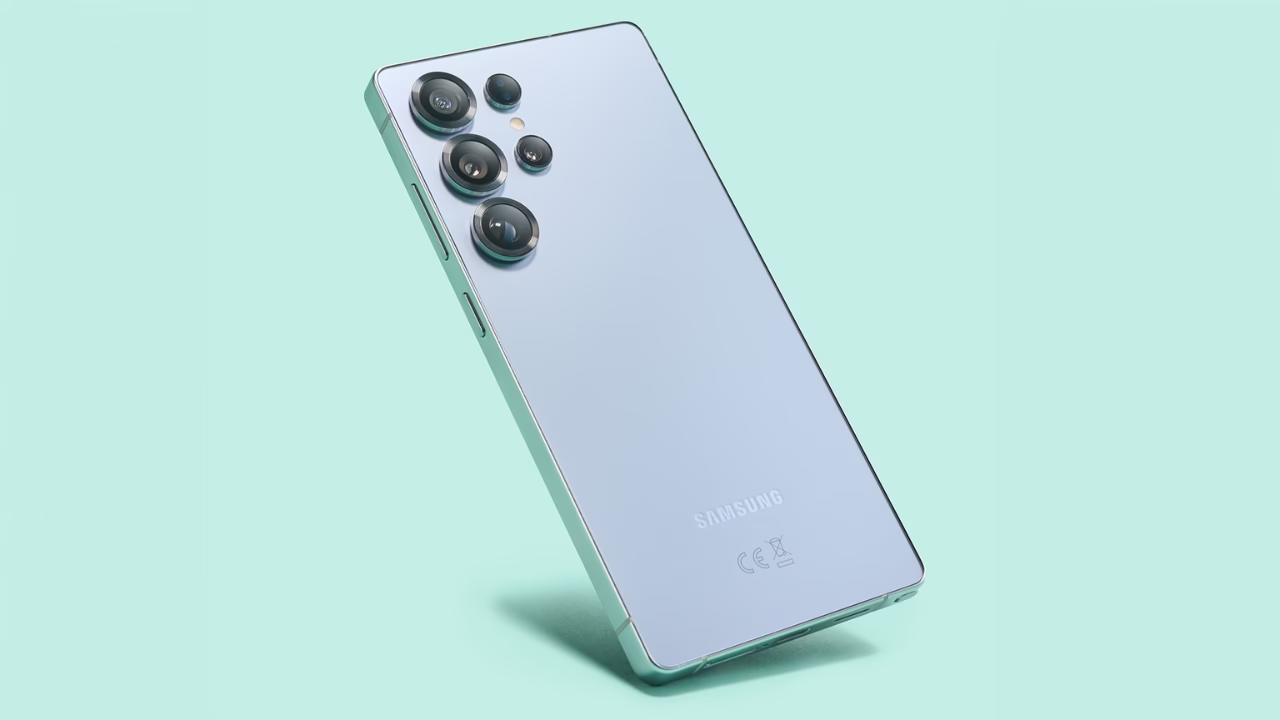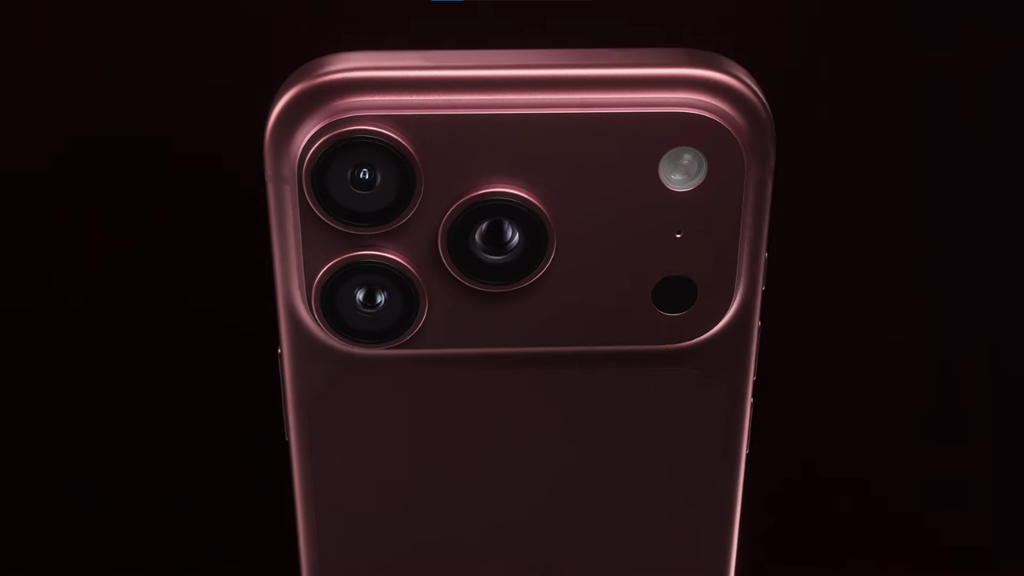
Apple has quietly updated its technical specifications to reveal an unusual regional difference buried inside the iPhone 18 Pro lineup. It isn’t the chip, camera, display, or battery that changes depending on where you buy the phone, it’s the cellular modem.
| Model | US market | Rest of world |
| iPhone 18 Pro | C2 (Apple) | C2 (Apple) |
| iPhone 18 Pro Max | Qualcomm | C2 (Apple) |
| iPhone Duo | C2 (Apple) | C2 (Apple) |
The smaller iPhone 18 Pro uses Apple’s own C2 modem everywhere, including the US, and so does the new foldable iPhone Duo. The iPhone 18 Pro Max is the exception every unit sold outside the US gets the C2, but American units use a Qualcomm modem instead.
Which Qualcomm Modem Is It?
Apple hasn’t named the specific Qualcomm chip inside the US Pro Max. MacRumors considers the Snapdragon X85 the most likely candidate based on the available information, though that’s an informed guess rather than a confirmed spec Apple’s own materials simply don’t list it.
Why Does the US Model Use Qualcomm?
Apple hasn’t explained this one either. The most commonly floated explanation traces back to a 2023 agreement in which Qualcomm said it would keep supplying modems to Apple through 2026, and MacRumors suggests the US Pro Max’s Qualcomm chip could be connected to fulfilling that arrangement. That’s speculation, not something either company has confirmed, and it’s worth treating it as exactly that.
What Is Apple’s C2 Modem?
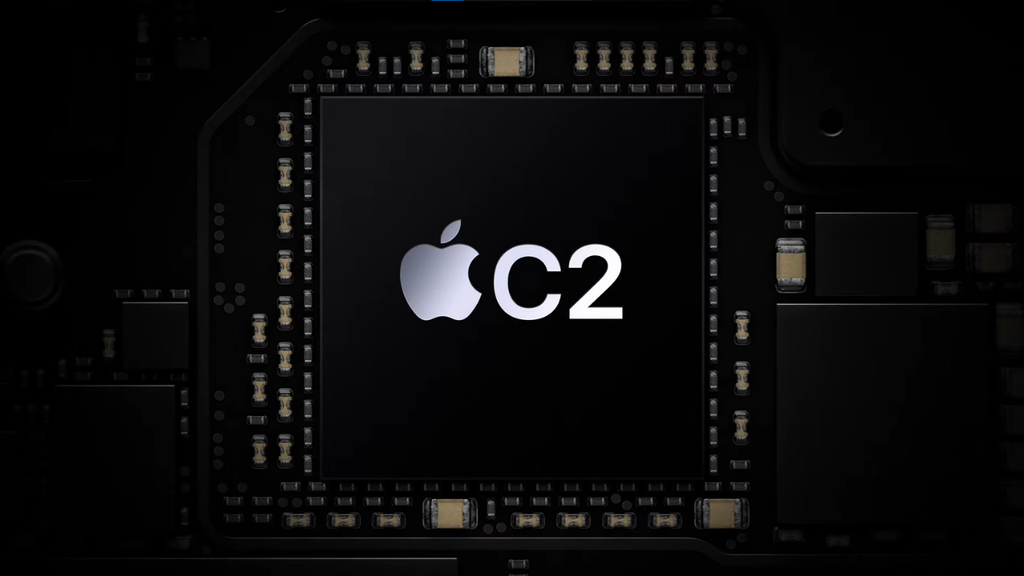
C2 is the third generation of Apple’s in-house cellular modem, continuing a build-out that started with the C1 in the iPhone 16e (February 2025) and continued with the C1X in the iPhone Air (September 2025). Apple says C2 delivers meaningfully faster uploads than the C1X, uses about 15% less energy, and notably now supports mmWave 5G in the US, something the earlier C1 and C1X modems couldn’t do. That last point matters because mmWave support was the main gap that kept Apple reliant on Qualcomm in the first place.
Does the US Model Get Worse 5G?
Not necessarily. The Qualcomm modem in the US Pro Max supports mmWave just like Qualcomm-powered iPhones always have, and Apple’s own C2 has now caught up to offer the same mmWave support elsewhere. Whether one modem actually performs better in daily use, upload speeds, battery efficiency, signal handling in weak coverage areas is something that’ll only really show up once independent reviewers get to test both versions side by side.
The Rest of the iPhone 18 Pro Max Doesn’t Change
Outside of the modem, the Pro Max is identical no matter where it’s sold: a 6.9-inch ProMotion display with a smaller Dynamic Island, the 2nm A20 Pro chip, a 48MP Fusion Main camera with variable aperture across four settings (f/1.48, f/1.8, f/2.8, f/4.0), up to 45 hours of video playback, 50% charging in 15 minutes with a 60W adapter, and Apple’s N1 chip handling Wi-Fi 7, Bluetooth 6, Thread, and second-generation Ultra Wideband. The modem is the only hardware difference this report has surfaced, everything else that makes the Pro Max what it is stays the same on both sides of that split.
Does It Actually Matter for Buyers?
Probably not in any way most people will notice day to day. The US Pro Max still gets full 5G including mmWave, and there’s no evidence right now that the Qualcomm version underperforms compared with C2. What makes this genuinely interesting is the bigger picture: Apple is clearly pushing toward owning its modem technology end to end, and the fact that the smaller Pro and the brand-new iPhone Duo both run C2 worldwide, while only the US Pro Max keeps a foot in Qualcomm’s camp, makes for an oddly specific exception in an otherwise consistent transition the kind of detail that’s easy to miss when comparing flagship phones on cameras and displays alone.

M Adnan Akram is the founder and lead writer at Phoonomo, covering mobile technology with a primary focus on Apple and the broader smartphone industry, alongside emerging developments in AI. He follows product launches, spec leaks, and industry trends closely to keep readers informed with timely updates.
Discover more from Phoonomo
Subscribe to get the latest posts sent to your email.