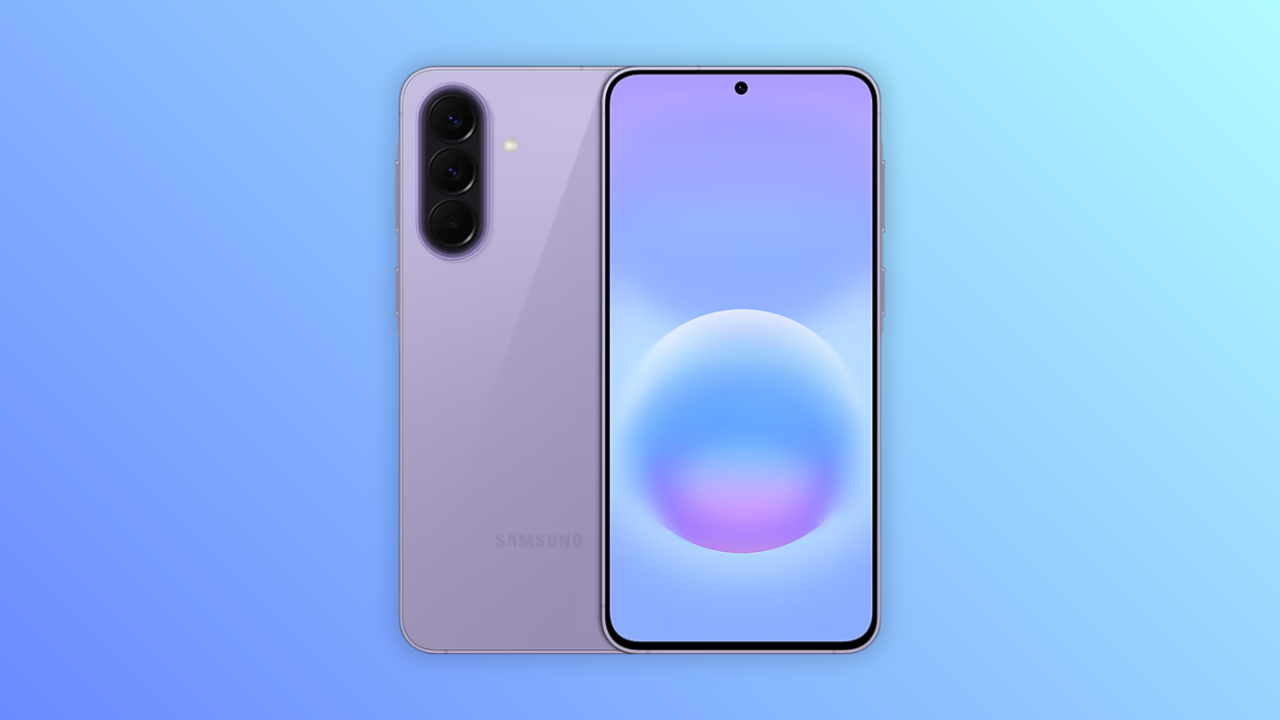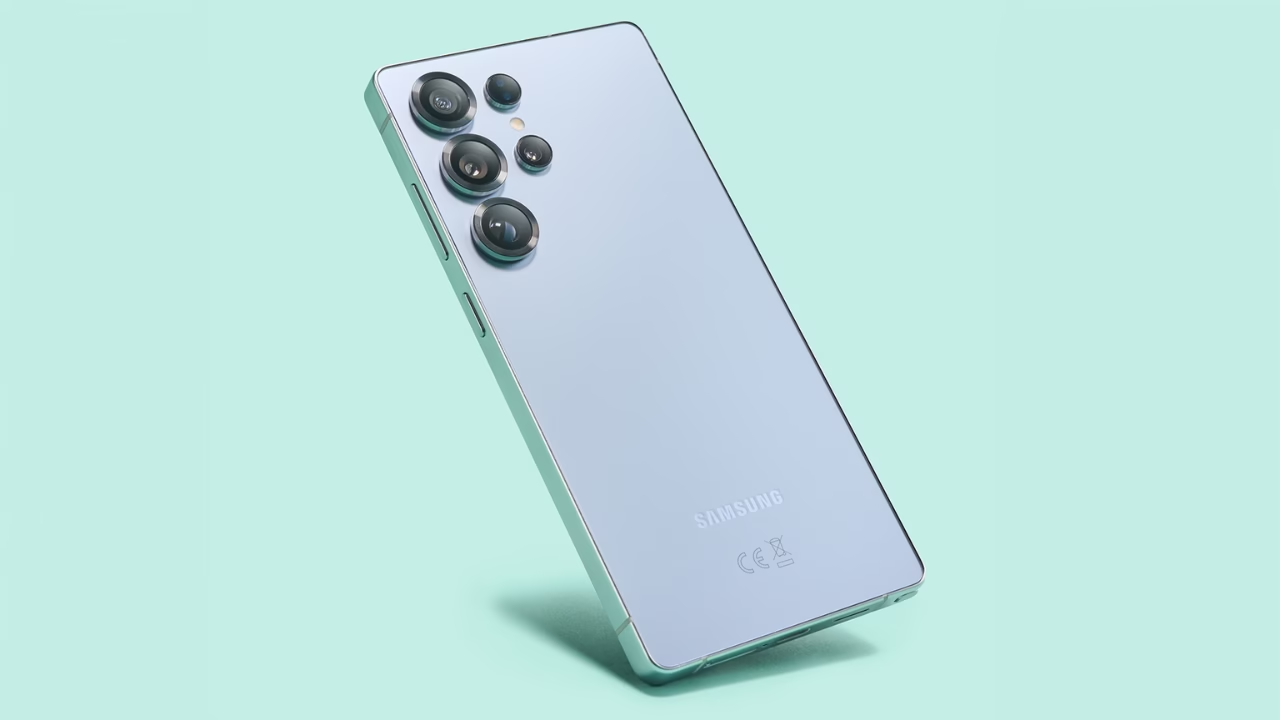
Samsung’s Galaxy S27 Pro and Galaxy S27 Ultra are reportedly moving to Samsung Display’s newest OLED material, M16, the first time in three years that Samsung’s own mobile division has adopted a new OLED generation for its Galaxy S flagships. The report comes from South Korean outlet ETNews.
| Model | Reported OLED material |
| Galaxy S27 | M14 |
| Galaxy S27+ | M14 |
| Galaxy S27 Pro | M16 |
| Galaxy S27 Ultra | M16 |
M16 is reportedly reserved for the two higher-end models. The regular S27 and S27+ are said to move to M14 instead itself an upgrade over the M13 material used in the current Galaxy S26 and S26+, just not as big a jump as what the Pro and Ultra are getting.
M16 is Samsung Display’s newest OLED material set, reportedly bringing higher peak brightness, better power efficiency, improved color accuracy, and a longer display lifespan. None of those improvements have exact figures attached yet from Samsung Display itself, so specific percentages floating around should be treated as unconfirmed rather than official specs. What’s notable is that M16 isn’t new to the market it’s already used in the iPhone 18 Pro, iPhone 18 Pro Max, Google’s Pixel 11, and Vivo’s iQOO 16, meaning Samsung’s own flagships have actually been playing catch-up on a material Samsung Display was already supplying to competitors.
The Galaxy S27 Pro and Ultra are also expected to pair their M16 panels with Color Filter-on-Encapsulation (COE) and Privacy Display technology, built on Samsung Display’s Flex Magic Pixel (FMP) panels. Privacy Display works by using a tall black matrix over roughly half of the display’s pixels, acting as a barrier that stops light from traveling sideways narrowing the viewing angle so people beside the user have a harder time seeing the screen. Samsung introduced the feature on the Galaxy S27 Ultra generation’s predecessor, the S26 Ultra, where it let users hide notifications or entire portions of the screen from view. The notable change this time is the Pro joining the Ultra as a Privacy Display phone, something reports had gone back and forth on for months before this latest report reaffirmed it. The standard S27 and S27+ reportedly won’t get it.
Exact viewing-angle behavior and implementation details for the S27 generation haven’t been officially detailed, so it’s worth treating the feature description as based on how Privacy Display worked on the S26 Ultra rather than a confirmed S27 spec.
| Model | Reported display size |
| Galaxy S27 | 6.27″ |
| Galaxy S27+ | 6.66″ |
| Galaxy S27 Pro | 6.47″ |
| Galaxy S27 Ultra | 6.89″ |
The Pro sits notably smaller than the Ultra while still landing above the regular S27 positioning it as a compact flagship option for anyone who wants Ultra-tier display tech in a smaller, more iPhone-like body.
Samsung Display has been supplying M16 panels to other phone makers for a while now, even as Samsung’s own Galaxy S lineup stayed a generation behind. Closing that gap on the Pro and Ultra suggests Samsung’s mobile division is prioritizing its top two models specifically, rather than upgrading the whole S27 lineup uniformly. It’s also not just a phone story the same report notes Samsung’s Z Flip 9, Z Fold 9, and Z Fold 9 Ultra are expected to make the same jump to M16 when they launch in the second half of 2027, moving up from the M13 panels used in the current Z Flip 8 and Z Fold 8 series.
The Galaxy S27 series hasn’t launched, so all of this remains reporting rather than confirmed specification. Samsung hasn’t officially detailed exact brightness figures, efficiency percentages, color-gamut improvements, lifespan gains, resolution, refresh rates, whether the Pro and Ultra panels are truly identical, the final Privacy Display implementation, or a launch date.SamMobile’s report has the full breakdown of the M16 upgrade based on the original ETNews sourcing.

M Adnan Akram is the founder and lead writer at Phoonomo, covering mobile technology with a primary focus on Apple and the broader smartphone industry, alongside emerging developments in AI. He follows product launches, spec leaks, and industry trends closely to keep readers informed with timely updates.
Discover more from Phoonomo
Subscribe to get the latest posts sent to your email.