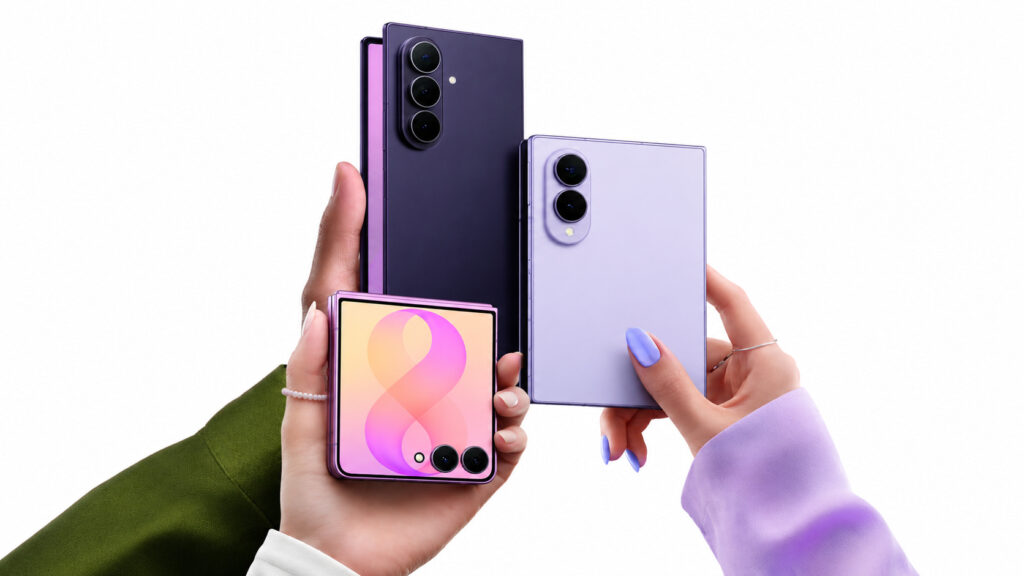
Samsung’s Galaxy Unpacked 2026 is done, and the headline news is exactly what leaks promised: a genuinely redesigned Galaxy Z Fold lineup. The company officially unveiled the Galaxy Z Fold 8, a brand-new Galaxy Z Fold 8 Ultra, and the Galaxy Z Flip 8, and for once, “biggest redesign in years” isn’t just marketing spin.
Galaxy Z Fold 8
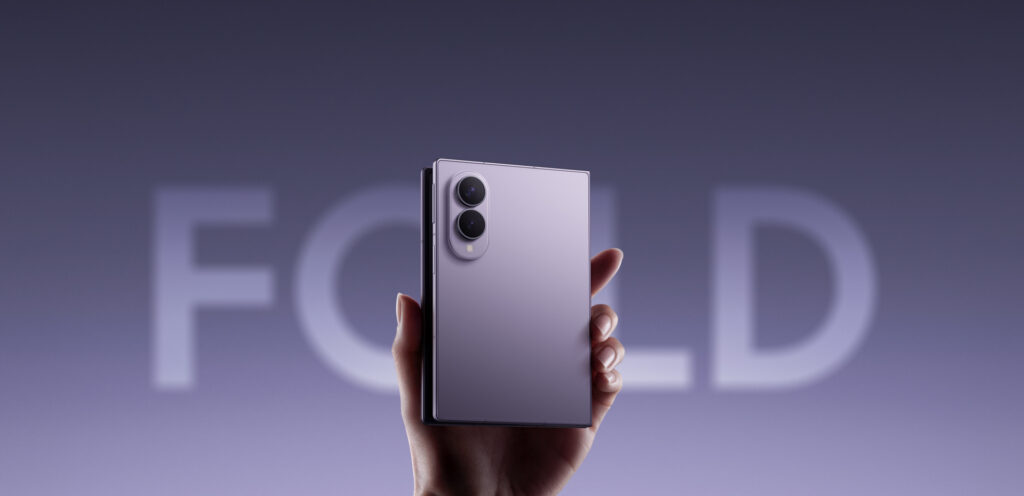
The standard Fold 8 ditches the tall, narrow silhouette that’s defined every Galaxy Fold since the original. In its place is a wider, shorter “passport-style” design that makes the cover screen far more usable day-to-day, while the 7.6-inch inner AMOLED display still delivers that tablet-like experience once unfolded. The 5.5-inch cover display benefits most from the new proportions.
Under the hood, it’s running Qualcomm’s Snapdragon 8 Elite Gen 5, and Samsung’s new Flex Titanium display tech helps make the crease far less noticeable while keeping the whole device thinner than before. It starts at $1,899 in the US.
Galaxy Z Fold 8 Ultras
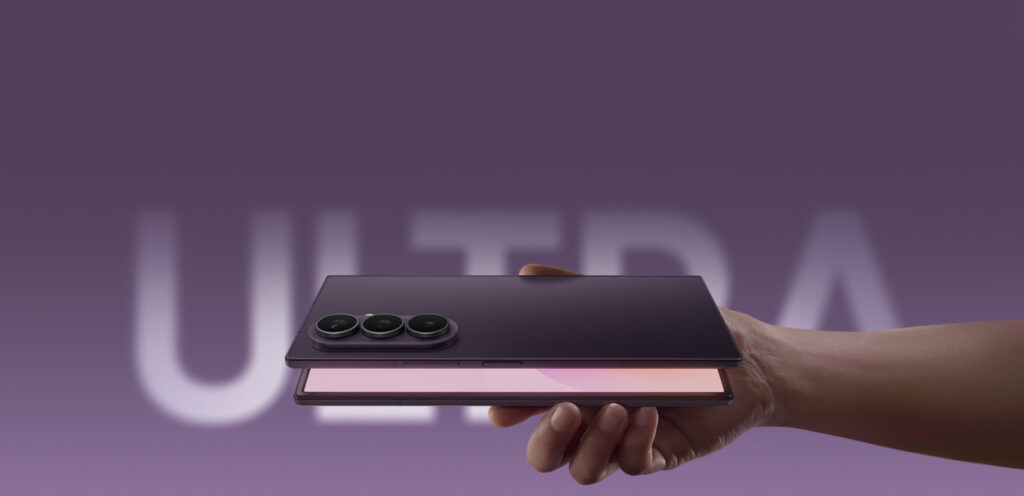
This is the bigger story here Samsung has never put Ultra branding on a foldable before, and now it has. The Fold 8 Ultra sticks closer to a traditional Fold shape but layers in genuinely flagship-tier hardware: an 8-inch inner display, the same Snapdragon 8 Elite Gen 5 chip, a massive 200MP main camera, and up to 1TB of storage.
Battery gets a bump to 5,000mAh with faster charging, and Samsung’s leaning into productivity with new AI features like Now Nudge, designed to surface contextual multitasking suggestions as you use the device. The starting price is $2,099.
Galaxy Z Flip 8
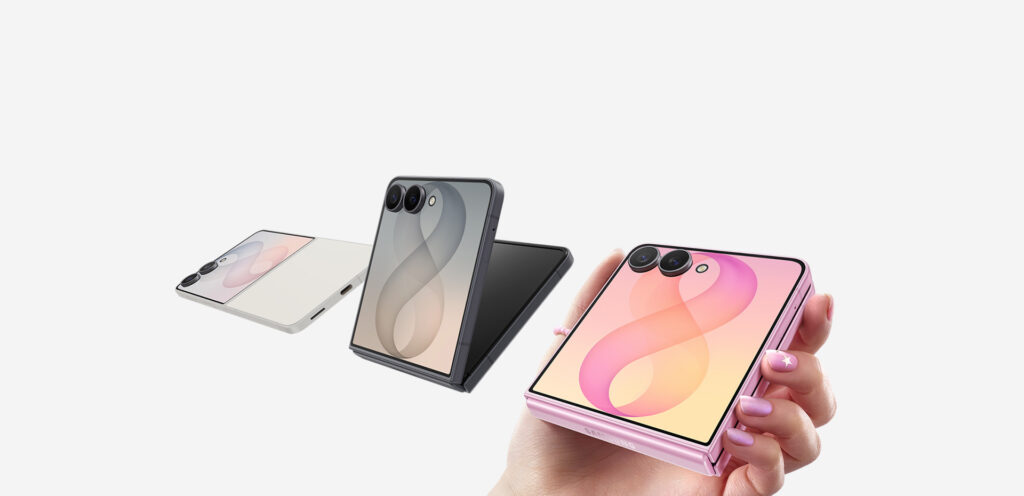
Not everything at Unpacked was a reinvention. The Z Flip 8 keeps its familiar clamshell design while picking up the same Snapdragon 8 Elite Gen 5 chip as its Fold siblings, along with improved cover-screen multitasking and dual rear cameras in a refined, more ergonomic body. It starts at $1,199, making it the most accessible entry into Samsung’s new foldable generation.
Galaxy AI
Samsung didn’t just upgrade hardware Galaxy AI gets meaningfully smarter across all three devices. Expect better app continuity when switching between folded and unfolded modes, contextual AI assistance that adapts to what you’re doing, and large-screen optimizations built specifically around foldable use cases rather than ported over from standard Galaxy phones.
Hardware Details
Across the board, Samsung focused on refining what foldables have historically struggled with: crease visibility, hinge durability, and overall thickness. The new Flex Titanium display structure is the common thread tying these improvements together, and Samsung says the hinge itself has been reworked to feel sturdier while adding less bulk.
Pricing
| Device | Starting Price (US) |
| Galaxy Z Fold 8 | $1,899 |
| Galaxy Z Fold 8 Ultra | $2,099 |
| Galaxy Z Flip 8 | $1,199 |
Beyond the Phones
Unpacked wasn’t just about foldables. Samsung also confirmed the Galaxy Watch9 and Galaxy Watch Ultra 2, continued expansion of its broader Galaxy AI ecosystem, and ongoing collaboration with Google on Android XR smart glasses, with new frames expected later this year.
Why This Launch Matters Beyond Samsung
There’s a bigger context here worth paying attention to. Reports suggest Apple is preparing its own entry into the foldable market, and Samsung’s decision to fundamentally rethink the Fold’s proportions right now looks like a deliberate move to cement its lead before Apple even shows up. Analysts have pointed out that the new passport-style shape solves one of the most common complaints about foldables that they’re awkward to use closed without sacrificing the tablet-sized payoff when opened.
Between the redesigned Fold 8, the debut of the Ultra tier, and a Flip 8 that quietly keeps pace, Samsung isn’t just iterating this year, it’s trying to reset expectations for what a foldable phone should feel like to actually live with.

M Adnan Akram is the founder and lead writer at Phoonomo, covering mobile technology with a primary focus on Samsung and the broader smartphone industry, alongside emerging developments in AI. He follows product launches, spec leaks, and industry trends closely to keep readers informed with timely updates.
Discover more from Phoonomo
Subscribe to get the latest posts sent to your email.