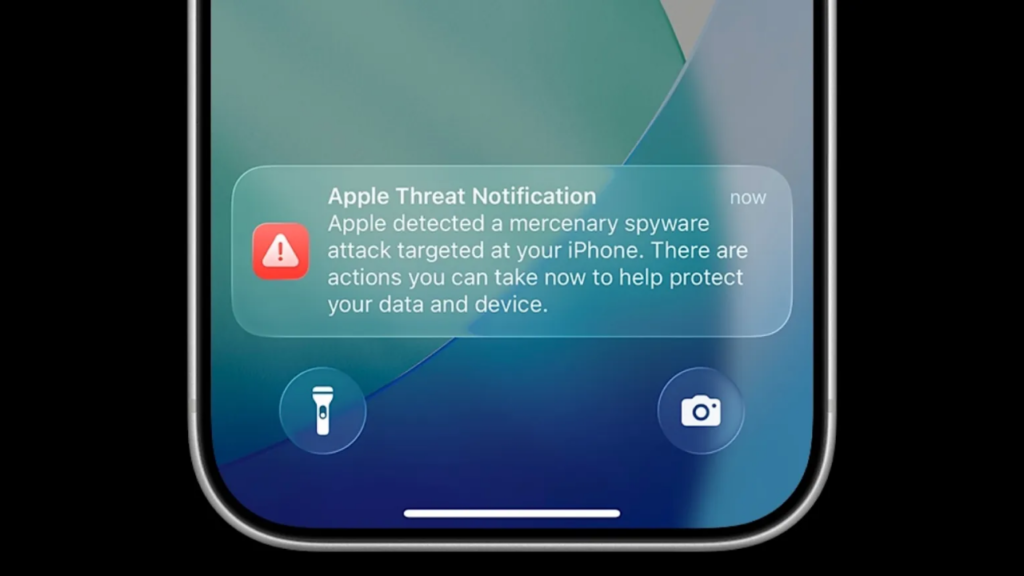
Apple sent out a fresh wave of spyware warnings on August 13, 2026, and this time the alerts reached users in 110 countries at once. These are what Apple calls Threat Notifications, sent to people the company believes may have been individually targeted by mercenary spyware, the kind of expensive, highly specialized surveillance tools normally aimed at a small number of specific people rather than the general public.
What’s actually new here isn’t the warnings themselves, Apple’s been sending these since 2021. It’s how they’re showing up now. Instead of just an email or something tucked away in Settings that a person might never see, Apple can now push the alert straight to the iPhone’s Lock Screen. For someone who isn’t checking their security settings regularly, journalists, activists, diplomats, the usual targets of this kind of attack, that’s a meaningful difference between noticing a threat and missing it entirely.
Getting one of these notifications doesn’t mean your phone’s actually been hacked. Apple calls them high-confidence alerts, meaning its internal threat intelligence spotted something consistent with a targeting attempt, not proof of a successful breach. And Apple won’t say exactly what triggered the alert or who’s behind it, on purpose, since explaining the detection method would just help attackers dodge it next time. NSO Group’s Pegasus is the example Apple itself points to when describing what this kind of spyware looks like.
This latest round pushes Apple’s total reach past 150 countries since the program started. The company’s advice hasn’t changed much: turn on Lockdown Mode if you think you might be a realistic target, Apple says it hasn’t seen a single successful compromise on a device running it, keep your software updated, and actually read what the notification tells you to do instead of dismissing it. The redesigned alert also now points people toward experts who can help, which matters more than it sounds like, since getting a spyware warning with zero cybersecurity background is genuinely disorienting.
For the overwhelming majority of iPhone owners, none of this changes anything, these attacks stay rare and targeted. But if you’re in a role that makes you a plausible target and you ever see this alert, the takeaway is simple: treat it as real, not spam, and act on it immediately.

M Adnan Akram is the founder and lead writer at Phoonomo, covering mobile technology with a primary focus on Apple and the broader smartphone industry, alongside emerging developments in AI. He follows product launches, spec leaks, and industry trends closely to keep readers informed with timely updates.
Discover more from Phoonomo
Subscribe to get the latest posts sent to your email.