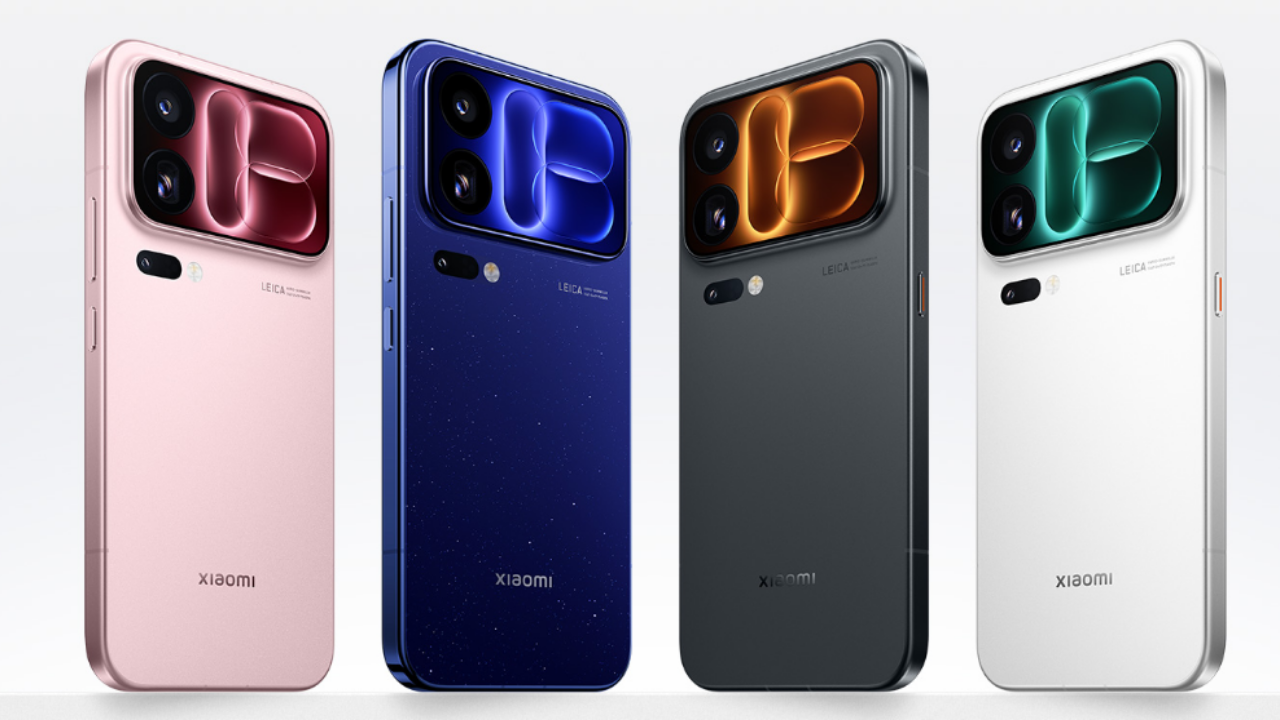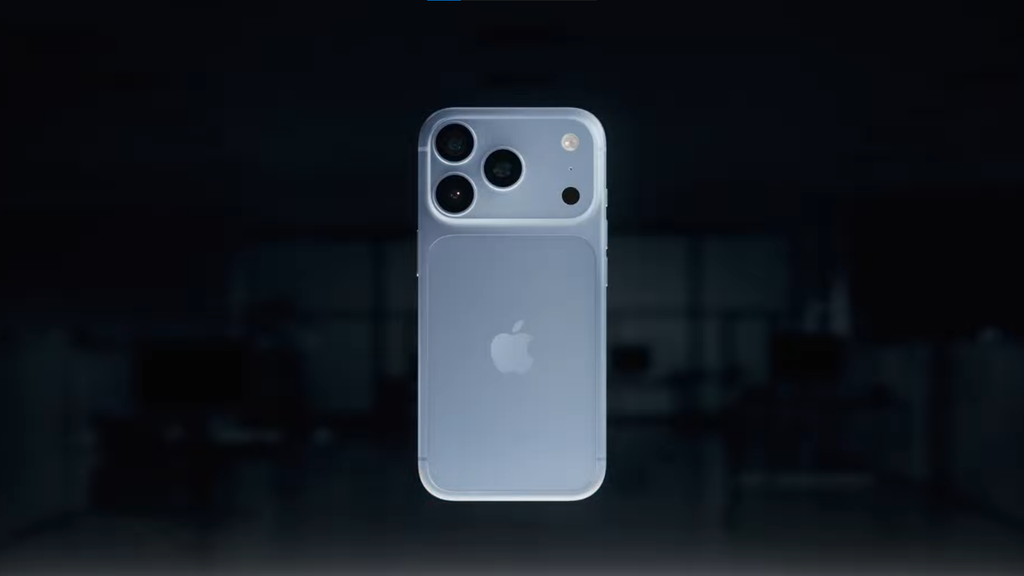
Apple officially unveiled the iPhone 18 Pro and iPhone 18 Pro Max on September 9, 2026, at its “Surprise and Shine” event, the first major hardware keynote led by new CEO John Ternus. Unlike previous years, Apple skipped a standard iPhone 18 entirely this cycle; the regular iPhone 18, iPhone 18e, and a second-generation iPhone Air are being held back until spring 2027, leaving the Pro duo (alongside Apple’s first foldable iPhone) to carry Apple’s fall lineup on their own. Pre-orders open Saturday, September 12 at 5am PT, with the phones landing in stores Friday, September 18 across more than 65 countries, and 20 more following on September 25.
Design and Display
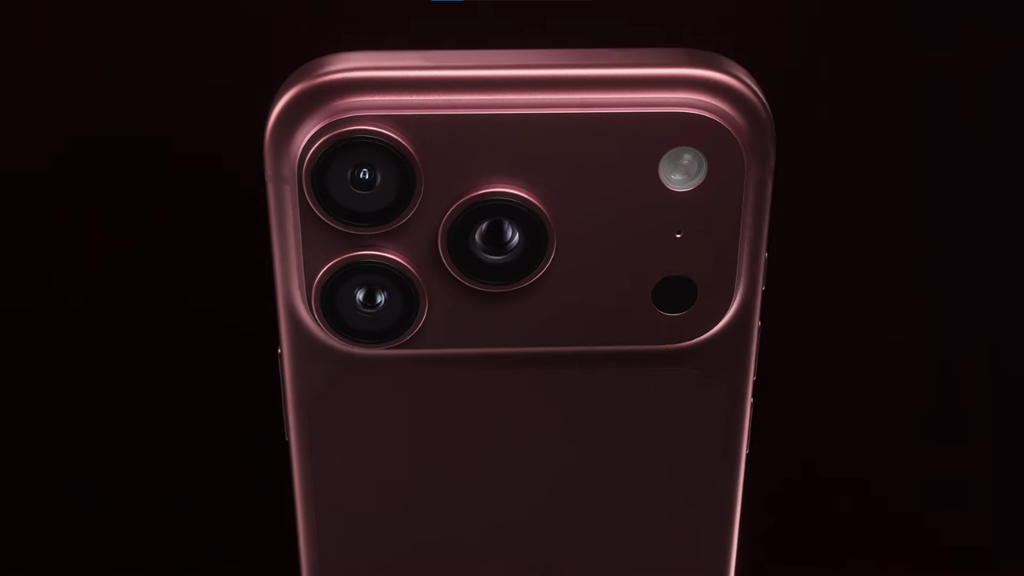
Visually, the iPhone 18 Pro keeps the same overall shape as the iPhone 17 Pro, but the Dynamic Island has been redesigned to run smaller while packing in more function it can now display up to three Live Activities at once. Both models come in four finishes: Black, Silver, Glacier, and a new Burgundy.
| Spec | iPhone 18 Pro | iPhone 18 Pro Max |
| Display | 6.3″ LTPO Super Retina XDR OLED, 120Hz | 6.9″ LTPO Super Retina XDR OLED, 120Hz |
| Resolution | 1206 x 2622 | 1320 x 2868 |
| Peak brightness | 3,000 nits | 3,000 nits |
| Protection | Ceramic Shield 2 (front), Ceramic Shield (back) | Ceramic Shield 2 (front), Ceramic Shield (back) |
| Dimensions | 150 x 71.9 x 8.8mm | ~163 x 78 x 9.0mm |
| Weight | 211g | 240g |
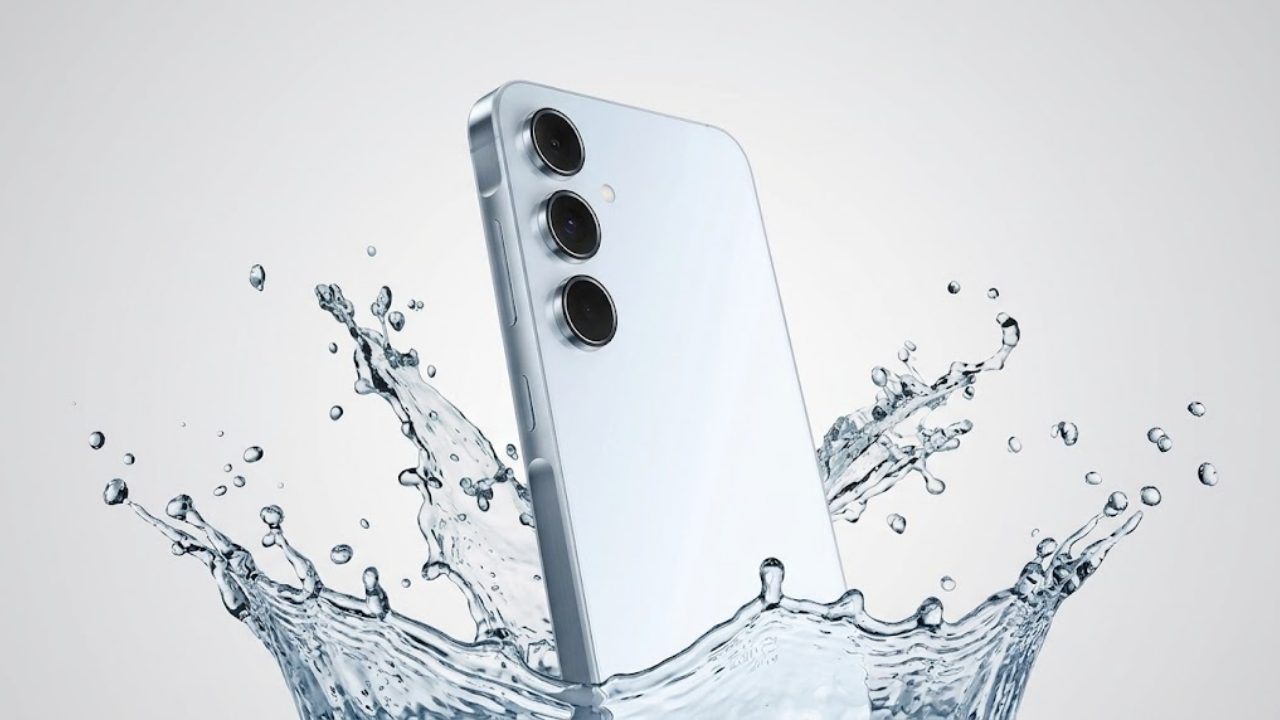
| Water resistance | IP68 (6m / 30 min) | IP68 (6m / 30 min) |
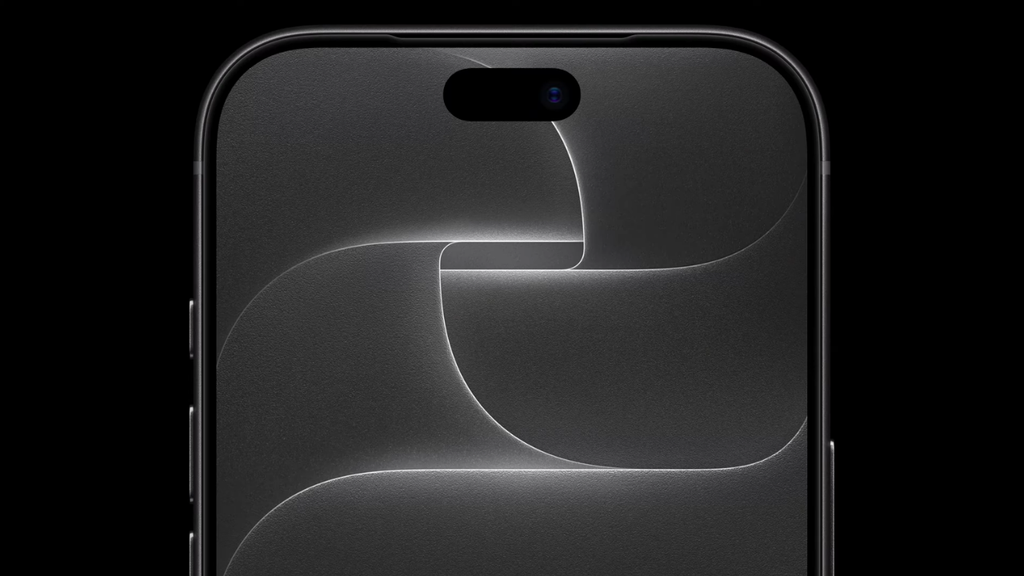
The front and back glass both use Ceramic Shield, with the front panel on the second-generation version Apple introduced last year for extra scratch resistance.
Camera System
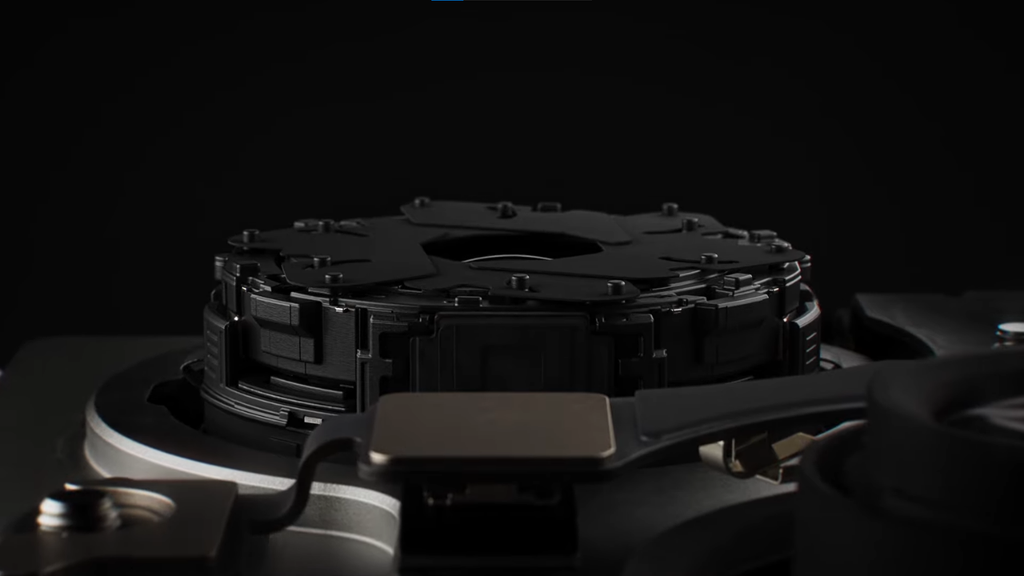
The headline upgrade is variable aperture on the 48MP Fusion Main camera, a first for iPhone. Six laser-cut blades physically adjust the opening between roughly f/1.5 and f/4.0, letting the camera automatically widen for low light or narrow the aperture to keep more of a group shot in focus. It’s paired with a new sensor and computational imaging pipeline for sharper detail, plus upgraded Photographic Styles with new texture and grain controls.
Alongside the Main camera, both Pro models carry a 48MP ultrawide and a 48MP periscope telephoto with 4x optical zoom. A new “Pro controls” interface in the Camera app lets users manually set aperture, shutter speed, and white balance, or check exposure with a live histogram aimed squarely at people who’d normally reach for a dedicated camera app.
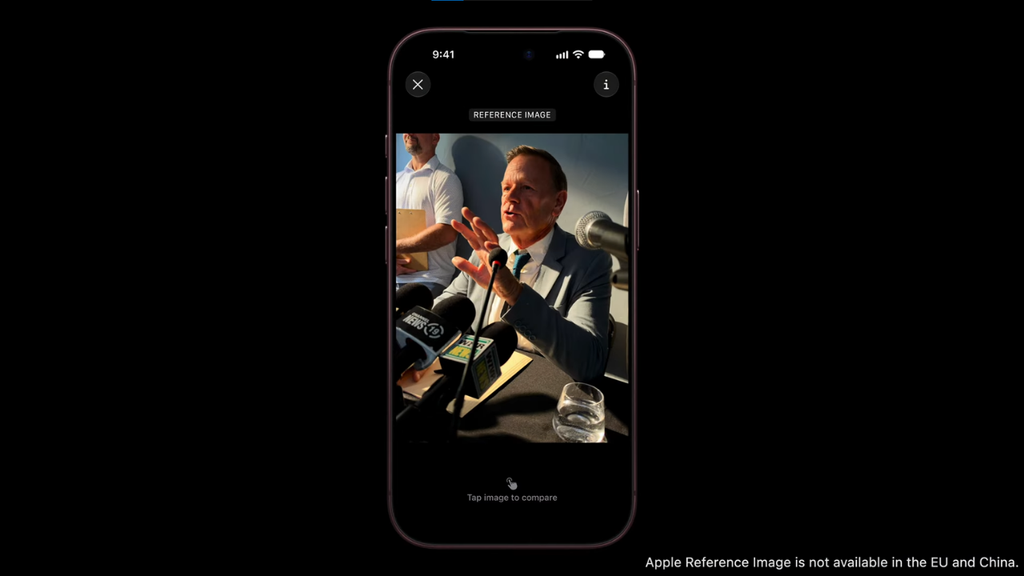
Apple also introduced Apple Reference Image, a new authenticity feature. When shooting in Reference mode, the camera signs the sensor data it captures, and Private Cloud Compute generates an unalterable reference version of the photo that can be compared against any edited version later Apple’s answer to growing concerns about AI-edited or fabricated images. It’s opt-in, and won’t be available at launch in China for regulatory reasons, or for capture in the EU at first.
On video, Cinematic effects can now be applied after recording to footage shot at up to 60fps, Time-lapse mode supports 4K and Dolby Vision HDR, and Audio Mix can isolate music in addition to voices.
Performance and Thermal Design
Both phones run on the new A20 Pro, Apple’s first chip built on a 2-nanometer process. It packs a 6-core CPU with integrated Neural Accelerators, a 7-core GPU rated up to 40% faster than the A19 Pro, and a new Dual 16-core Neural Engine with 32 total cores, double the AI processing capability of last year’s chip. Memory bandwidth is up 50% over the A19 Pro as well.
To keep that performance sustained rather than throttled, Apple redesigned the internal cooling around a new vapor chamber with three times the surface area of the one in the iPhone 17 Pro, paired with custom chip packaging that moves memory out of the direct thermal path of the processor. Apple says the combination delivers up to a 40% gain in sustained performance over the previous generation, a bigger deal for anything sustained, like gaming or long video exports, than for quick everyday tasks.
Battery Life
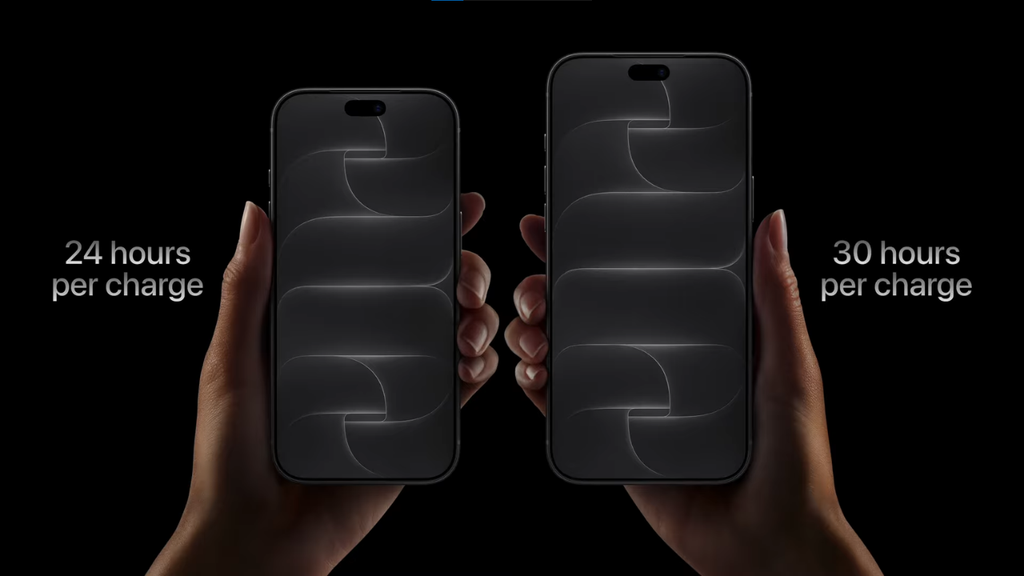
The Pro Max gets the bigger jump here. On eSIM-only models, Apple rates the iPhone 18 Pro for up to 36 hours of video playback and the iPhone 18 Pro Max for up to 45 hours, the largest battery life increase Apple has ever shipped on an iPhone, according to the company. GSMArena’s teardown-based figures put the actual cell capacity at roughly 4,288mAh (eSIM-only) / 4,056mAh (physical SIM) on the Pro, and about 5,567mAh (eSIM-only) / 5,391mAh (physical SIM) on the Pro Max.
Charging also improves: the Pro can hit 50% in about 15 minutes wired, or 50% in 30 minutes on a MagSafe/Qi2 wireless charger. On the Pro Max, Apple says just five minutes of wired charging is enough for roughly seven hours of video playback.
iOS 27 and Siri AI

Both phones ship with iOS 27, arriving as a free update for supported devices on September 14. The bigger software story is Siri AI a rebuilt version of Siri powered by Apple Intelligence that’s meant to be far more conversational, with personal-context awareness across messages, emails, and photos, onscreen awareness to act on whatever’s currently displayed, and a Siri mode inside the Camera app for asking about what’s in front of you. Siri AI launches in beta on September 14 in English only, with French, Japanese, Korean, Portuguese, and Spanish following in October and it won’t be available in the EU at launch.
iOS 27 also brings iPhone Handoff, letting someone switch between two iPhones on the same number (initially only with T-Mobile in the US and Telekom in Germany), along with expanded parental controls and refinements to the Liquid Glass interface introduced last year.
Connectivity
Both models use Apple’s own N1 wireless chip, adding Wi-Fi 7, Bluetooth 6, and Thread support. On the cellular side, Apple introduced C2, its next-generation modem, which the company says delivers faster uploads than the previous C1X modem while using 15% less power, and now supports mmWave in the US. eSIM-only versions sold in the US, Canada, Japan, Mexico, the UAE, and several other markets free up the space previously used by a physical SIM tray for extra battery capacity, adding roughly two hours of additional video playback over the physical-SIM variant.
Price and Availability
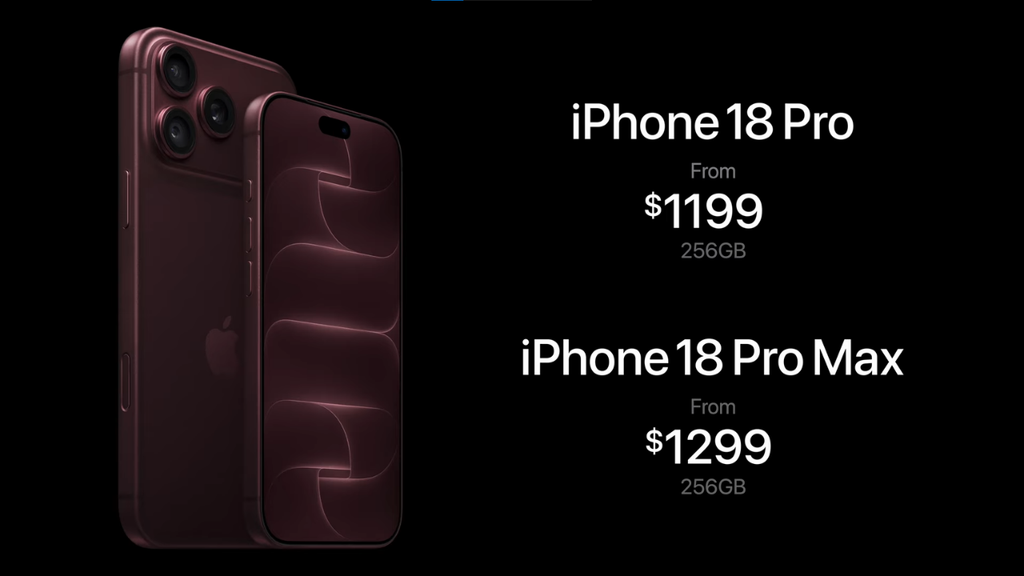
| Model | Starting price (US) | Storage options |
| iPhone 18 Pro | $1,199 | 256GB / 512GB / 1TB / 2TB |
| iPhone 18 Pro Max | $1,299 | 256GB / 512GB / 1TB / 2TB |
Both models now offer a 2TB option, a first for the smaller Pro. Apple’s trade-in program offers $175–$885 in instant credit depending on the device traded in, and select carriers are offering up to $1,200 in credit toward either model.
How It Compares
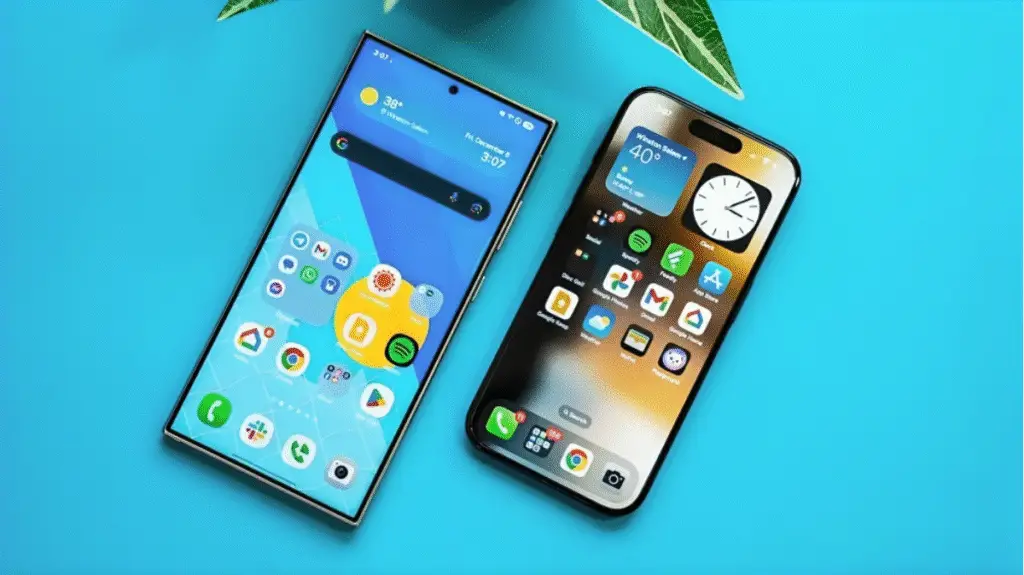
The variable aperture camera and 2nm chip put real distance between the iPhone 18 Pro and older Pro models a bigger jump than the usual year-over-year refresh, and worth weighing carefully if you’re still deciding between generations of iPhone Pro or sizing it up against Samsung’s own current flagship in the Galaxy S24 Ultra vs iPhone 16 Pro Max comparison. With Apple’s first foldable iPhone also launching this year, the Pro and Pro Max are no longer the most expensive phones Apple sells, just the most expensive normal ones.
Full technical details, testing notes, and official imagery are available on Apple’s iPhone 18 Pro press release.

M Adnan Akram is the founder and lead writer at Phoonomo, covering mobile technology with a primary focus on Samsung and the broader smartphone industry, alongside emerging developments in AI. He follows product launches, spec leaks, and industry trends closely to keep readers informed with timely updates.
Discover more from Phoonomo
Subscribe to get the latest posts sent to your email.