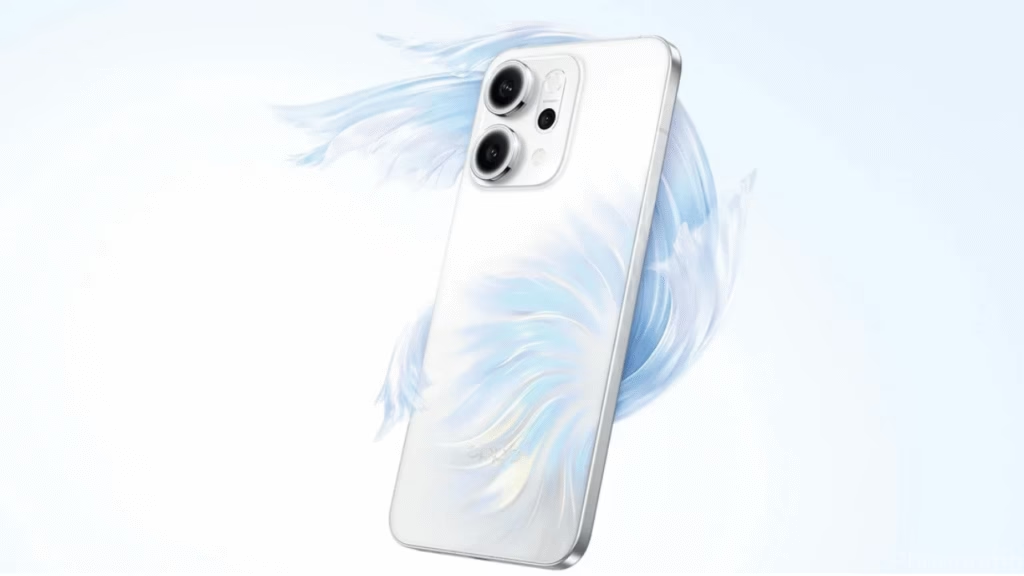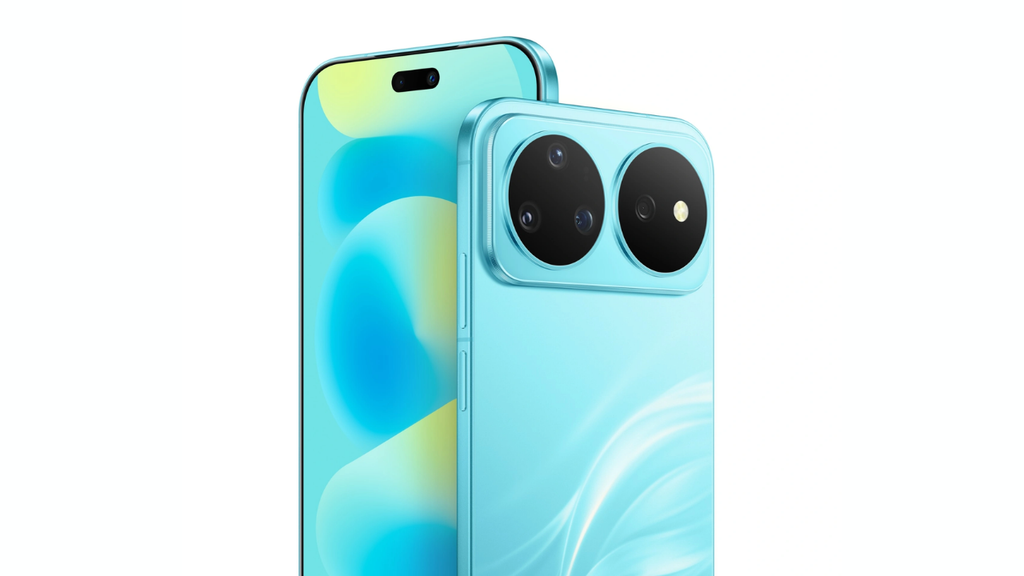
Huawei introduced the nova 16s Pro and nova 16s globally on September 2, 2026, unveiling both phones at its “Chase the Wild” event in Munich. Both are international versions of the nova 16 Pro and nova 16 that launched in China back in June, with Huawei adding the “s” to the name for markets outside China the same approach it used for the Pura 90s Pro Max.
The Pro is clearly the camera-focused model of the pair. It runs on a Kirin 9010S chip with 12GB of RAM and either 256GB or 512GB of storage, paired with a 6.84-inch LTPO OLED display running at 1-120Hz and rated for up to 6,000 nits peak brightness. Huawei’s own nova 16s Pro page confirms all of this alongside the headline feature: a 200MP RYYB main camera on a 1/1.28-inch sensor with OIS, using yellow filters instead of the usual green ones to let in more light a technique Huawei has leaned on across its recent flagships, including the Pura 80 Ultra. Alongside it sits a 50MP RYYB periscope telephoto with 3.7x optical zoom and a 50MP ultra-wide, giving the Pro a considerably more versatile setup than the regular nova 16s, which drops to a 50MP main sensor and skips the ultra-wide entirely.
Huawei is also pushing color accuracy hard this generation. Both the front and rear cameras get 1.5MP multispectral sensors that Huawei’s own lab testing claims can improve color reproduction accuracy by 120% and spatial resolution by 100,000 times over the nova 14 figures worth treating as Huawei’s internal benchmarks rather than independent results. The front camera is a 50MP Ultra Portrait unit with the same True-to-Colour processing, plus a 0.8x-5x zoom range and 4K recording.
Battery life gets a serious bump too. The Pro packs a 7,000mAh cell (6,800mAh rated) with 100W SuperCharge Turbo, fitted into a body just 7.1mm thick, a genuinely tight package for a battery that size. The regular nova 16s matches the same 7,000mAh capacity and 100W charging despite its lower-tier Kirin 8020 chip and smaller 6.68-inch display, which makes it the more balanced option of the two if the camera hardware isn’t the priority.
One difference from the Chinese models is worth flagging directly: both global phones run EMUI 16.0 rather than HarmonyOS, the software Huawei’s domestic devices use. It’s a similar split to what shows up on other Huawei phones sold outside China, like the Mate 60 Pro, and it’s part of the reason global buyers still won’t get Google services out of the box.
Huawei hasn’t announced pricing or a country-by-country availability schedule yet that’s expected to follow in the days after the Munich event. For reference, the Chinese nova 16 Pro started at roughly CNY 3,899 for the 12GB/256GB configuration, though that figure applies only to the Chinese market and won’t carry over directly to global pricing.

M Adnan Akram is the founder and lead writer at Phoonomo, covering mobile technology with a primary focus on Apple and the broader smartphone industry, alongside emerging developments in AI. He follows product launches, spec leaks, and industry trends closely to keep readers informed with timely updates.
Discover more from Phoonomo
Subscribe to get the latest posts sent to your email.