Here’s an uncomfortable fact to sit with: two years ago, Apple promised a smarter Siri, built an entire marketing campaign around it, then shipped something so broken that the company is now legally obligated to pay affected iPhone buyers up to $95 each. That’s not hyperbole, that’s an actual class-action settlement. So when Apple opened WWDC 2026 by saying “we know there are times when you expect more from Siri,” the understatement was almost funny if it weren’t also slightly humiliating.
This was Tim Cook’s last keynote as CEO. The stakes were enormous. And weirdly, Apple chose to open the entire event by talking about window corner radius on macOS. Every window now has a tighter, more uniform corner. After two years of AI anxiety, that’s where they started. It’s almost endearing.
But once you get past the cosmetic throat-clearing, iOS 27 reveals itself as something genuinely different from what Apple has shipped in years not because of one headline feature, but because of how much of it is invisible.
The Year Apple Decided to Fix the Plumbing
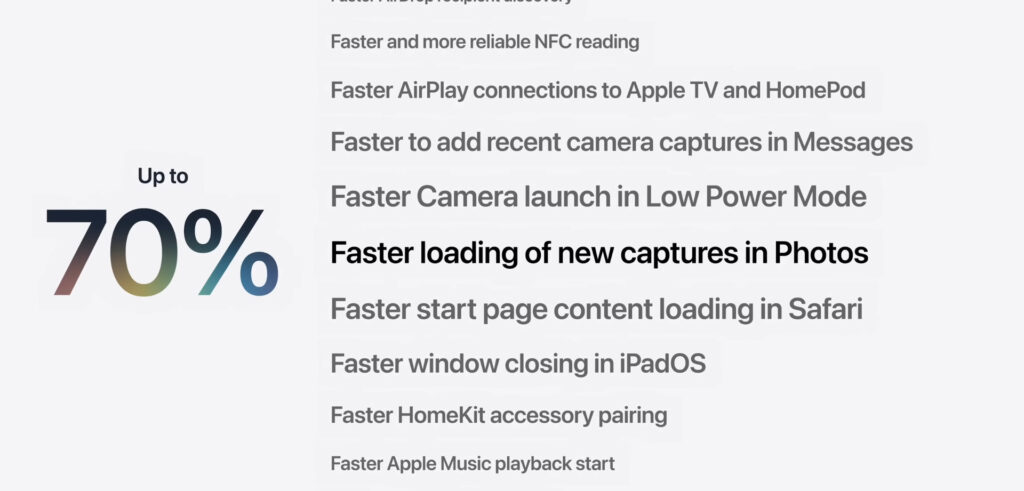
iOS 27 is, more than anything, an optimization release. Apple threw out a wall of percentage improvements during the keynote: apps load up to 30% faster, photos appear in your gallery up to 70% faster after you shoot them, AirDrop transfers run up to 80% faster. File indexing across your device also got meaningfully better, which means Spotlight search and Siri’s ability to find things both benefit downstream.
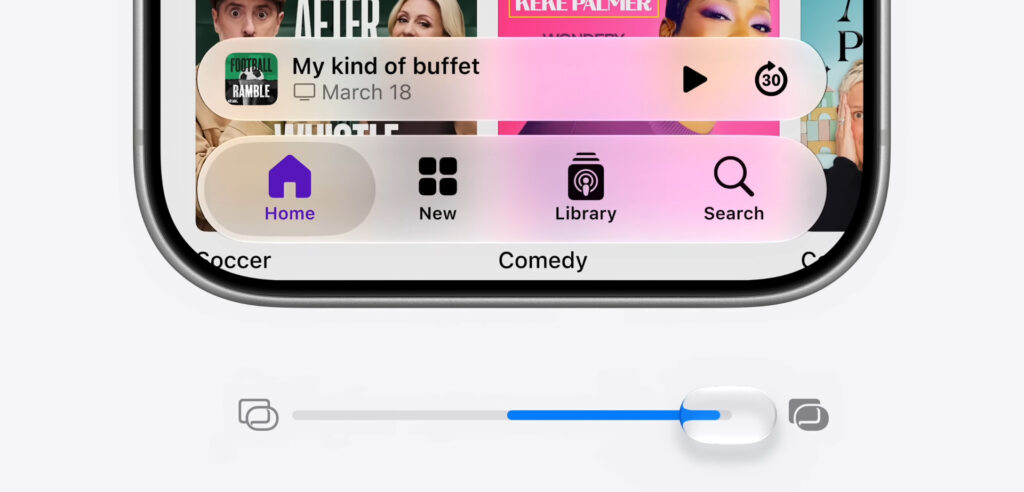
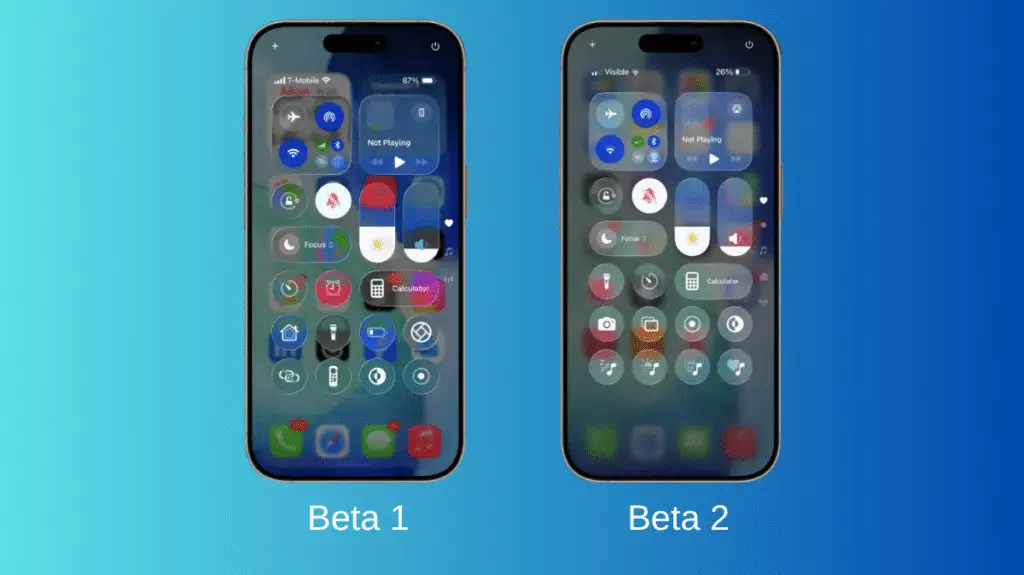
Take those numbers with a grain of salt “up to” is doing a lot of quiet work in every single one of those stats but the underlying philosophy is sound. This is the same instinct Apple had with macOS Snow Leopard back in 2009: stop adding features for a cycle, go fix what’s actually broken underneath. Liquid Glass, last year’s big visual overhaul, shipped with transparency settings that were honestly a bit much. Icons got hard to read. Text floated awkwardly over busy backgrounds. iOS 27 doesn’t abandon Liquid Glass; it tones down the default transparency and, smartly, just hands you a slider instead of trying to guess what everyone wants. That’s a very Apple solution to a problem Apple created for itself.
Siri AI: The Redemption Arc, Sort Of
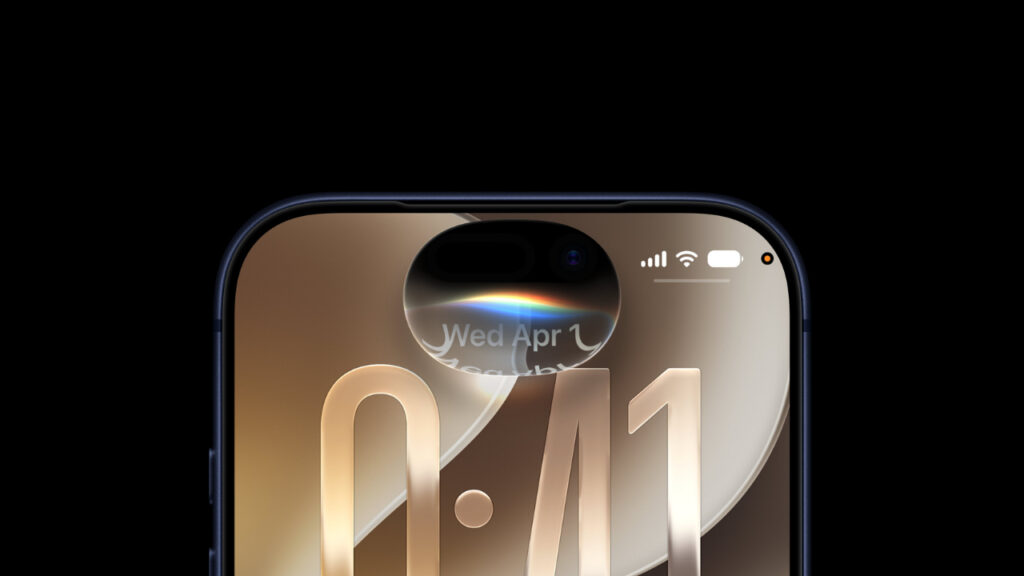
Let’s address the actual headline. Siri AI is the rebuilt assistant, and yes, it’s a real generational leap over what existed before. It lives inside the Dynamic Island now, with a softer, more “liquid glass” visual identity that replaces the old glowing orb entirely. You can have continued conversations with it when a band is playing, then immediately ask how to get tickets, without re-explaining context. It has screen awareness, so you can be looking at a photo and ask “where is this” without describing what’s in frame. It has personal context too, pulling from your messages and photos because your files are now indexed far more thoroughly than before.
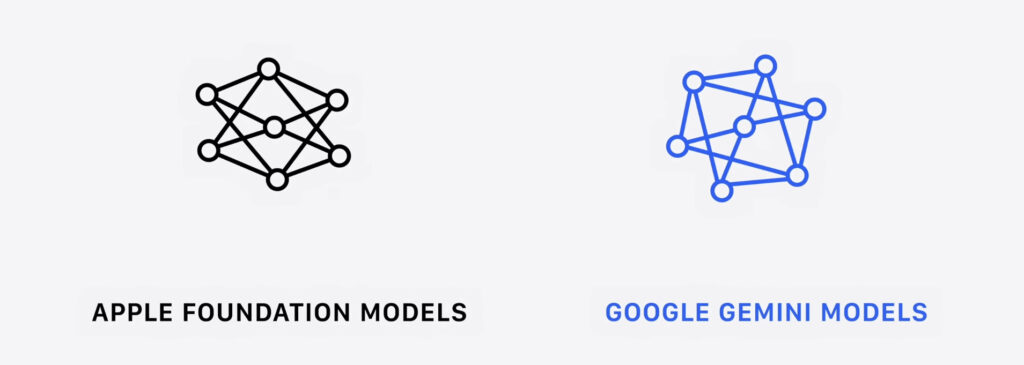
None of this is technically surprising once you remember that Apple is paying Google roughly a billion dollars a year to license Gemini as the foundation underneath all of it. Pretty much everything new Siri AI can do is something Gemini has already demonstrated publicly. That’s not an insult, it’s just context. Apple isn’t innovating the underlying intelligence here. It’s licensing best-in-class AI and then doing what Apple actually does well: wrapping it in an interface that feels inevitable rather than bolted on.
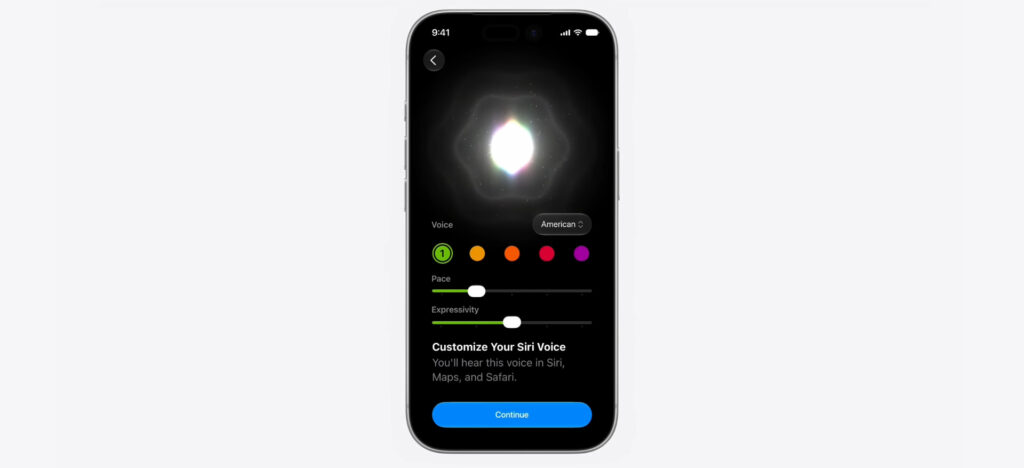
And the implementation really is the interesting part. The voice quality upgrade alone got one of the most genuine reactions of the entire keynote and it’s fully configurable, letting you adjust pacing and expressiveness to your preference. The way Siri’s interface pop-ups visually blend into the physical camera cutout on the phone is a small touch, but it’s the kind of hardware-software fusion that no Android competitor has matched yet, mostly because no Android manufacturer also makes the silicon, the screen, and the software simultaneously.
The best feature buried in this section, though, isn’t conversational Siri, it’s voice-created Shortcuts. You can now just describe what you want in plain language “let my partner know automatically every time I leave work and give them an ETA based on traffic” and Siri builds the automation for you. Shortcuts have existed for years as a power-user feature that maybe 10% of iPhone owners ever touched because building one manually was genuinely tedious. This single change could turn it into something your grandmother uses without thinking twice. That’s the kind of AI application that actually matters not generating images, but removing friction from something already useful.
Where It Gets Murky
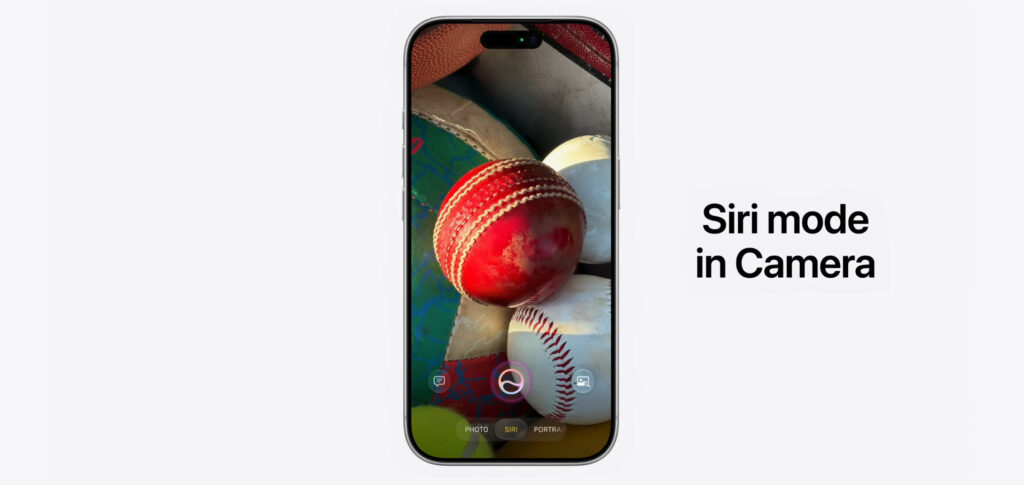
Visual Intelligence got folded into the Camera app and now runs on Siri AI to directly scan a food label for nutrition info, scan a restaurant bill and split it automatically through Apple Cash. Cute ideas. But utility features like this live or die on reliability, not polish. If you’re traveling and need to check whether a snack contains peanuts because you have a serious allergy, you’re not choosing this over Google Lens because the animation looks nicer. You’re choosing whichever one actually gets it right, every time, with zero margin for a charming UI failing you at the wrong moment.
This is where iOS 27’s ambition runs into Apple’s own ecosystem limitations. Apple’s new “Magic Cue”-style anticipation feature pulling up trip photos when someone texts about a recent trip, surfacing calendar suggestions from email confirmations sounds genuinely useful. But it’s built around Apple Mail and Apple Calendar. If you’re one of the enormous number of iPhone owners who actually use Gmail and Google Calendar day to day, it’s unclear how much of this experience survives intact. Apple didn’t really address that gap on stage, and it’s a real one.
The most quietly important announcement of the entire keynote, honestly, wasn’t AI-flavored at all; it’s a major accuracy boost to spelling, punctuation, and dictation system-wide. That’s not flashy. It won’t make a keynote highlight reel next year. But it’s the kind of improvement that touches every single text field on your phone, every day, forever. I’d trade ten flashy generative AI demos for dictation that actually understands what I’m saying the first time.
The Image Playground Problem
And then there’s the part of the keynote that should make people slightly uncomfortable. Apple showed off using someone’s face to auto-generate an event invite through the updated Image Playground. New tools let you extend images beyond their original frame and even spatially reframe a photo touch and drag to change the angle the photo appears to have been taken from. Technically, this is an impressive demo of generative AI applied to real photography. Philosophically, it’s a little unsettling that nobody on stage seemed to pause and ask why you’d want to take a real photo of your actual children and algorithmically warp it into something that never happened, just for a better angle. Apple has generally been the company that resists this kind of AI slop aesthetic more than its competitors. This felt like a small step away from that restraint.
The Catches Nobody Wants to Talk About
Here’s the part that matters if you’re actually deciding whether to care. The most capable version of Siri AI shown on stage, the real upgrade everyone’s been waiting two years for, is launching only on the newest hardware. For the iPhone, that’s the iPhone Air and the 17 Pro models. Not even the standard iPhone 17 gets the full experience at launch. iPad and Mac get slightly more flexibility, but not much more.
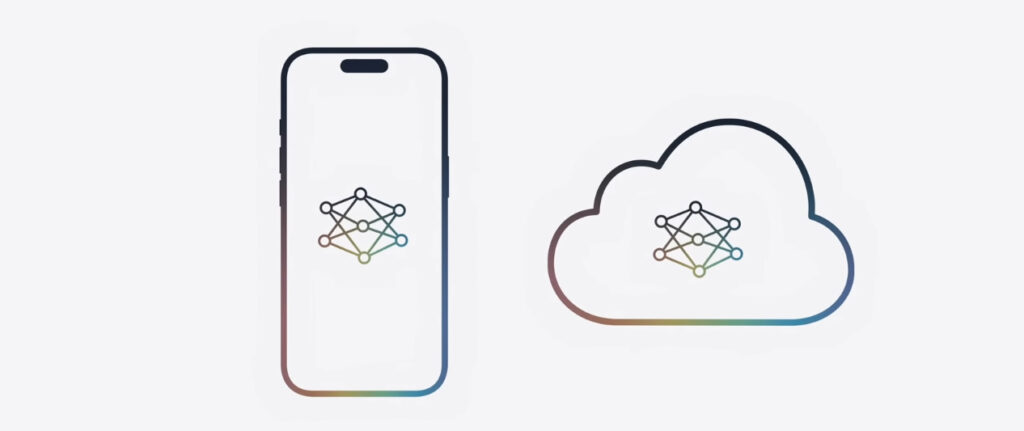
Apple is also being deliberately vague about usage limits. Some Apple Intelligence features, including image generation, come with daily caps because they lean on server-side models that cost Apple money to run. Want more? That’s tied to iCloud+ subscription tiers. It’s a real limitation dressed up as a footnote, and that framing feels a little dishonest for a company that spent the entire keynote selling AI as a baseline experience rather than a metered one.
So, Is iOS 27 Actually Good?
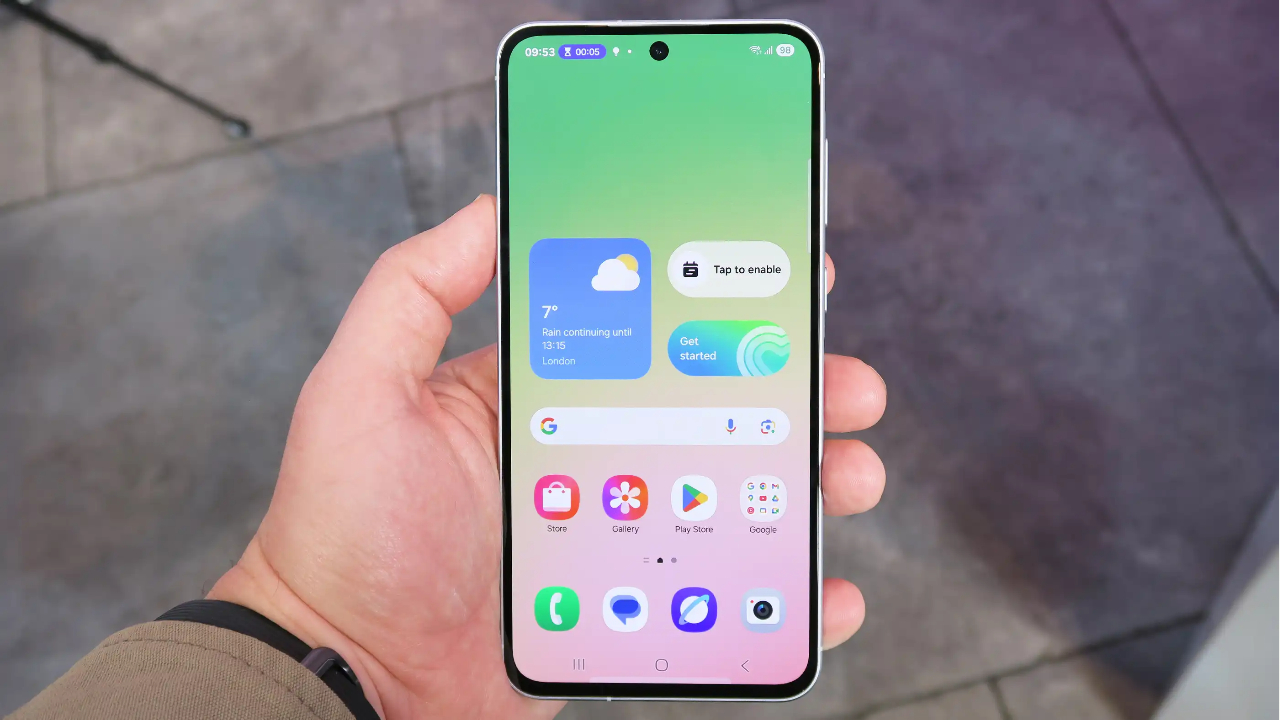
Apple’s AI strategy has gone from genuinely behind to credibly good enough. That’s not the same as class-leading Gemini and parts of Samsung’s Galaxy AI still do individual things better but if your entire digital life already lives inside Apple’s ecosystem, this will feel like a real, tangible improvement over what you had before. The performance optimizations alone, faster app loads, faster photo processing, faster AirDrop will probably matter more to your daily experience than any individual Siri demo, even if they get far less attention.
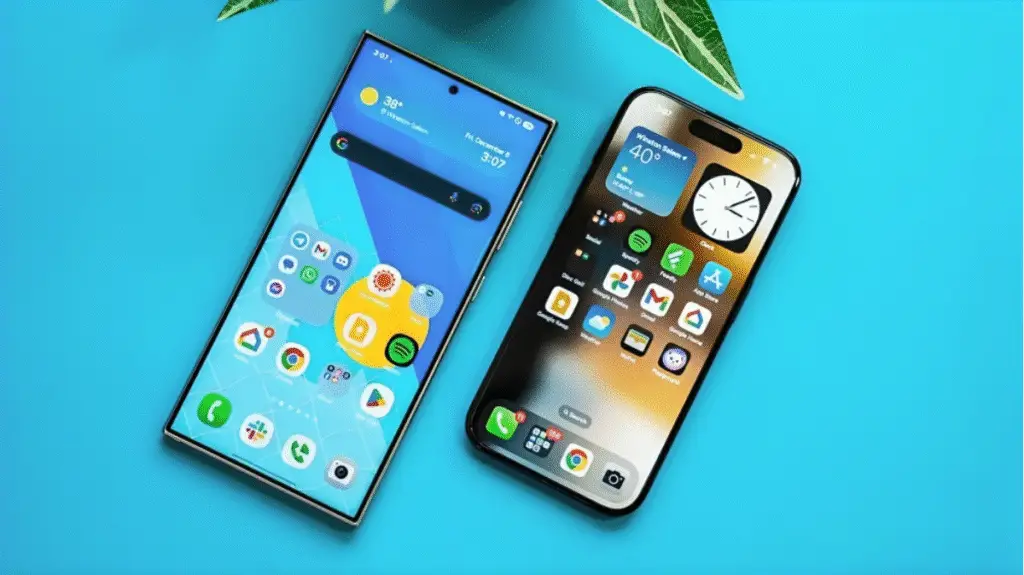
The real question iOS 27 raises isn’t whether Apple finally caught up. It clearly has, at least enough to stop the bleeding from that lawsuit-worthy 2024 announcement. The real question is whether “good enough, as long as you stay entirely inside Apple’s walls” is actually a winning long-term strategy when Google ships the same underlying intelligence to anyone with an Android phone, no walls required.
Discover Also Apple just announced iOS 27, Siri AI, and Liquid Glass at WWDC 2026

M Adnan Akram is the founder and lead writer at Phoonomo, covering mobile technology with a primary focus on Apple and the broader smartphone industry, alongside emerging developments in AI. He follows product launches, spec leaks, and industry trends closely to keep readers informed with timely updates.
Discover more from Phoonomo
Subscribe to get the latest posts sent to your email.