The memory crisis just got a number attached to it. Market research firm Omdia released a new report confirming what smartphone buyers have been quietly experiencing for months: DRAM and NAND flash prices have surged by around 200% compared to previous levels, and the effects are reshaping the entire smartphone market from the bottom up.
The cause is familiar by now. AI data centers are consuming memory at unprecedented rates, pulling supply toward high-margin High Bandwidth Memory (HBM) products and leaving conventional smartphone DRAM and NAND squeezed. Memory manufacturers followed the money logically and the smartphone industry is absorbing the consequences.
The numbers Omdia put on the impact are striking. For smartphones priced under $400, memory now accounts for nearly 60% of the total bill of materials. For phones under $99, that figure climbs past 64%. When more than half your manufacturing cost is a single category of component that just tripled in price, something has to give.
What gives, according to Omdia, is specifications. Rather than dramatically raising retail prices and killing demand, manufacturers are expected to reduce RAM configurations, offer lower storage tiers, delay memory upgrades on entry-level devices, and reuse older hardware platforms to keep costs manageable. A phone that previously launched with 8GB RAM and 256GB storage could ship this year with 6GB and 128GB instead at the same or higher price.
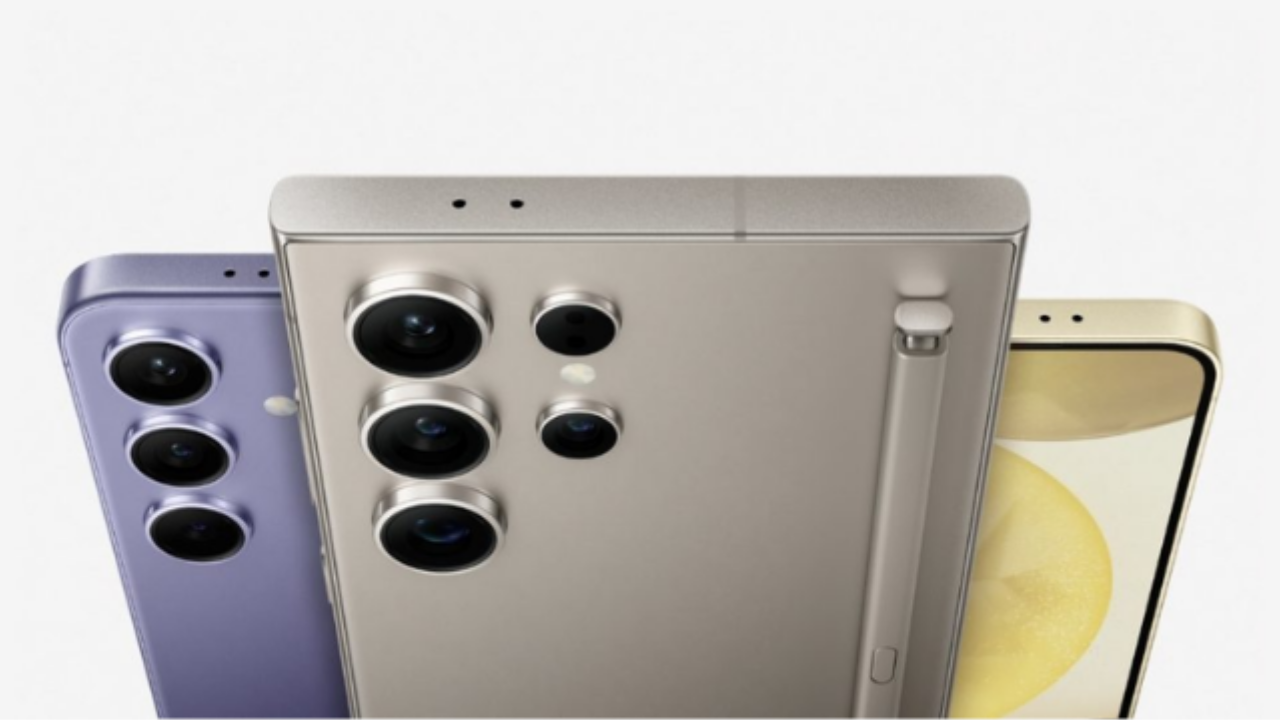
The premium segment absorbs the pressure differently. Manufacturers have pricing flexibility above $400, so flagship phones continue receiving larger RAM 12GB to 16GB and beyond and expanded storage. That divergence is showing up in market forecasts. Omdia projects the overall smartphone market declining 12% in 2026, with sub-$400 shipments falling 22%, while devices priced above $400 are expected to grow 5.6%. The global average selling price is forecast to climb from $467 in 2025 to $565 in 2026 a 21% jump in a single year.
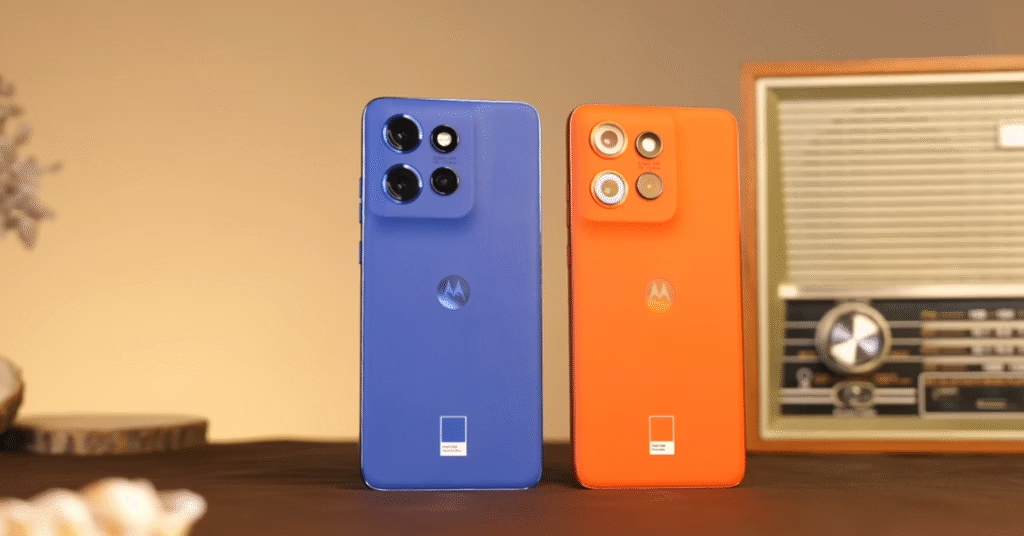
Every major Android brand selling budget and mid-range phones Samsung, Xiaomi, OPPO, Vivo, Realme, Motorola faces the same pressures. The specific responses will vary but the direction is consistent.

M Adnan Akram is the founder and lead writer at Phoonomo, covering mobile technology with a primary focus on Apple and the broader smartphone industry, alongside emerging developments in AI. He follows product launches, spec leaks, and industry trends closely to keep readers informed with timely updates.
Discover more from Phoonomo
Subscribe to get the latest posts sent to your email.