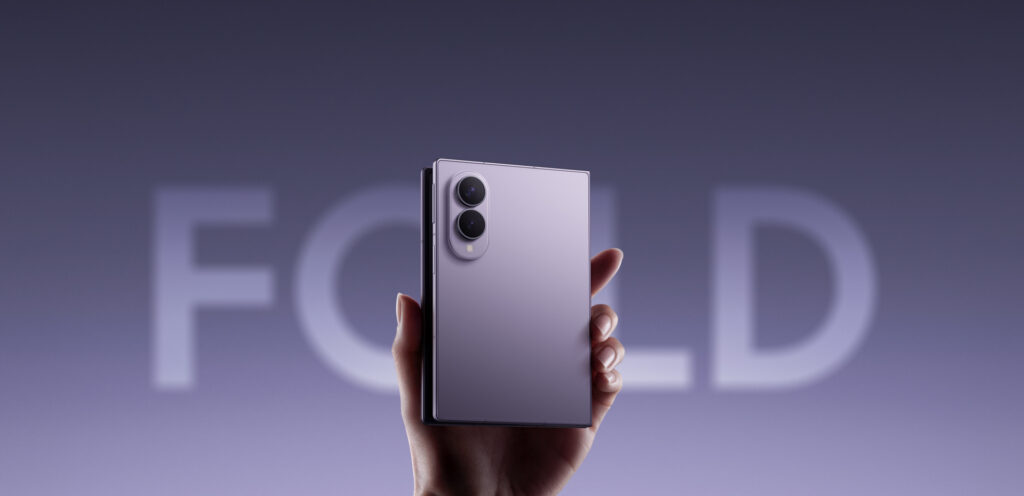
The share of Galaxy Z Fold8 buyers who previously used an iPhone has roughly doubled compared with the Fold7/Flip7 generation, according to South Korean telecom industry reporting though it’s worth being precise about what that actually means. The reports say the proportion doubled, not that any specific percentage, like half, of Fold8 buyers are former iPhone users, and no source has published the actual figure.
A few things appear to be driving the shift. The redesigned Z Fold8 itself is a big factor the standard model has a noticeably wider, more passport-like shape when closed and opens into a large 4:3 display, the kind of tradeoff between form factor and everyday usability that’s been part of the Fold vs. flagship debate for a while now. Younger users reportedly favor the wider screen for YouTube, webtoons, multitasking, and gaming, with some saying regular phones start to feel cramped once they’re used to it a notable detail given Apple’s own foldable iPhone, expected to use a similar book-style design, is set to debut on September 9.
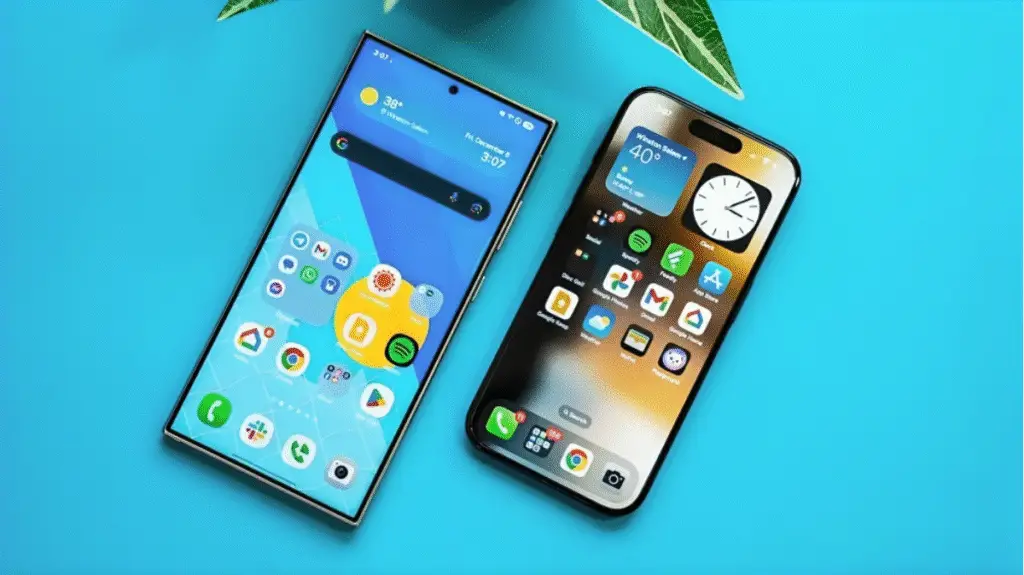
Samsung has also made switching itself a lot less painful. With One UI 9, Smart Switch no longer needs to be downloaded separately on an iPhone users just scan a QR code on the Fold8 to start a wireless transfer covering contacts, photos, videos, messages, apps, and settings. Quick Share has been upgraded too, and Korean reporting says it can now send full-resolution photos and videos directly to iPhones without requiring the recipient to log into anything, removing one of the more stubborn reasons people stay locked into sharing photos within Apple’s ecosystem.
The demographic pattern is where this gets interesting. The shift is concentrated among teens through people in their 30s, a group Samsung has historically struggled to win over in Korea, where iPhones carry particular status among younger, style-conscious buyers. Separate preorder data backs this up: among Korean women in their 30s, Samsung’s share reportedly hit 58% against Apple’s 42% during the Fold8 preorder period, while among women in their 20s, Apple still led at 67% but Samsung gained 11 percentage points to reach 33%. Those are broader Samsung-vs-Apple preorder numbers rather than a direct measure of iPhone switchers, but they point in the same direction.
| Metric | Figure |
| Korean foldable preorders | 1.44 million |
| Increase vs. previous generation | +39% |
| Fold8’s share of total preorders | ~70% (~1M units) |
| US preorder growth | >30% |
| Europe preorder growth | >20% |
That 1.44 million preorder total beat the previous Galaxy record of 1.38 million, set by the Note10, and Samsung was reportedly preparing to build an additional 1 million Fold8 units in August to keep up with demand. The momentum isn’t confined to Korea either; some Fold8 models reportedly sold out on Samsung’s official Japan store, notable given how dominant the iPhone has traditionally been there.
The timing is what makes this worth watching closely. Samsung has picked up ground with iPhone users right before Apple enters the foldable category itself, with its own book-style device rumored to start somewhere around $2,000–$2,500 pricing that could make the Fold8 the cheaper way into a premium foldable, assuming Apple’s numbers hold up once the September 9 event actually happens.

M Adnan Akram is the founder and lead writer at Phoonomo, covering mobile technology with a primary focus on Apple and the broader smartphone industry, alongside emerging developments in AI. He follows product launches, spec leaks, and industry trends closely to keep readers informed with timely updates.
Discover more from Phoonomo
Subscribe to get the latest posts sent to your email.