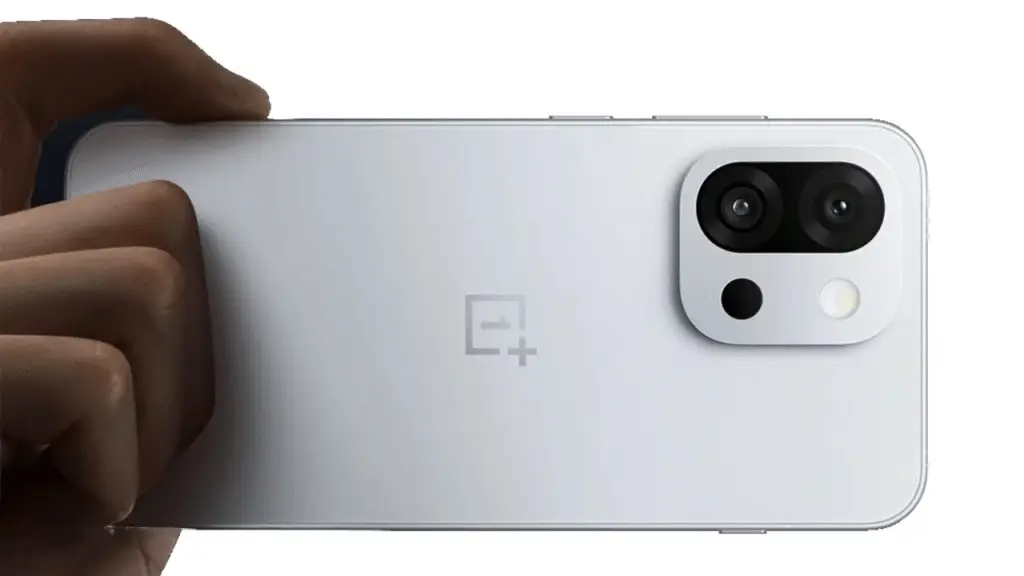
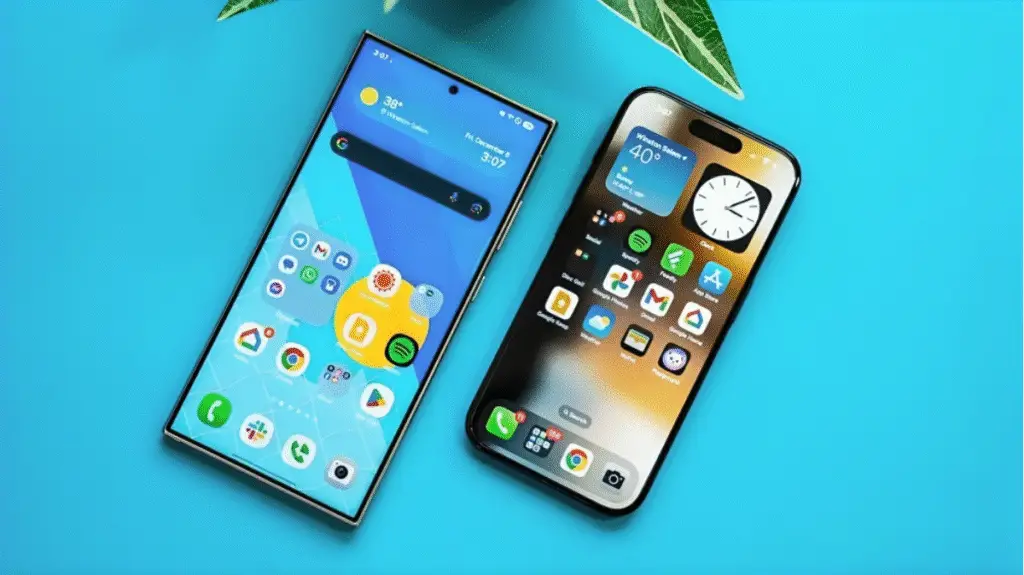
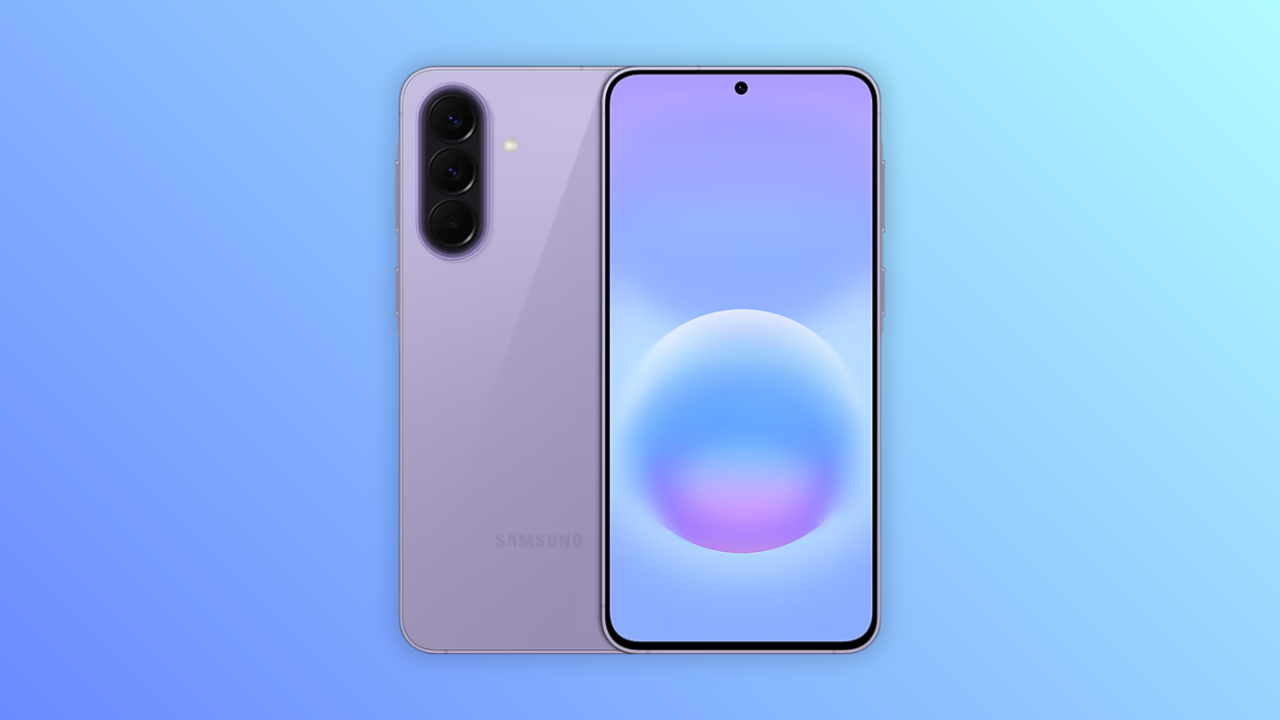
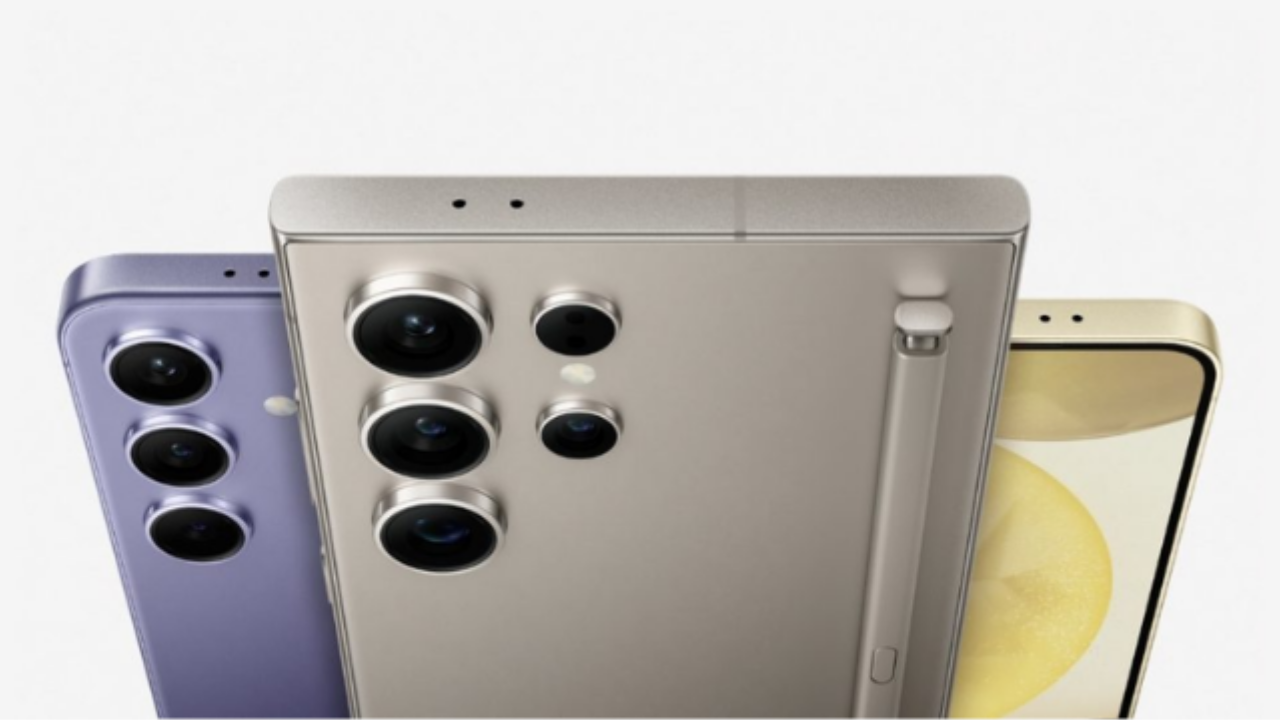
Every year we see two phones standing tall in the world of performance OnePlus on the Android side and Apple with its iPhones. This time, the OnePlus 15 arrived with bold claims about its new Snapdragon 8 Elite Gen 5 chip. Apple, on the other hand, packed the A19 inside the iPhone 17. The big question is simple: which one actually feels faster, smoother, and more capable in day-to-day use (OnePlus 15 vs iPhone 17)?
To answer this, we put both phones through benchmarks, gaming sessions, battery tests, and even network checks. What we found this year is honestly surprising, especially if you’ve followed smartphones for a long time. Let’s go step by step.
Benchmark Results
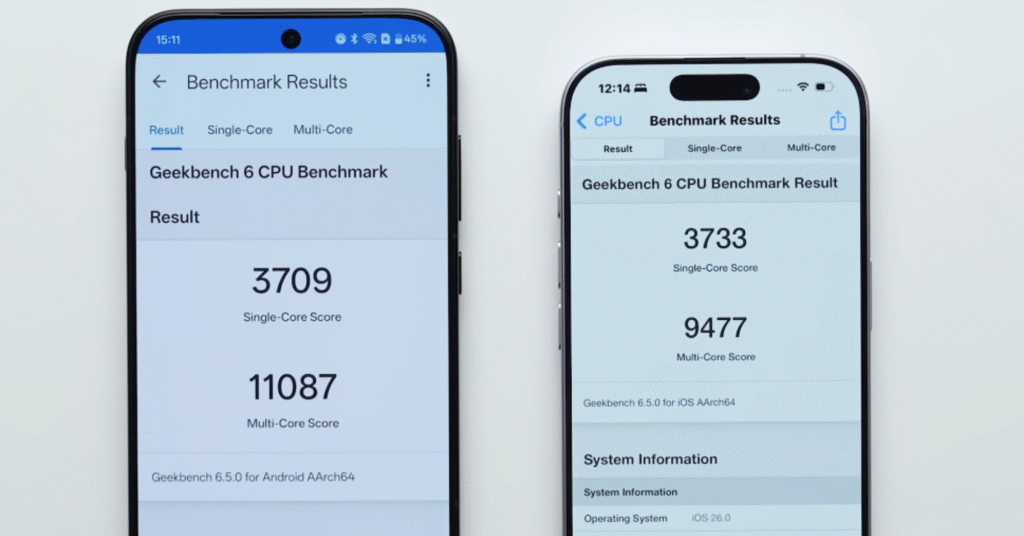
Instead of going deep into the architecture differences, we ran standard tests that everyone can relate to. In performance mode, the OnePlus 15 immediately showed its strength. On Geekbench, the multi-core results crossed 11,000 points, comfortably beating the A19. Apple has always dominated single-core numbers, but the new Snapdragon chip finally narrows that gap in a noticeable way.
Things got even more interesting when we moved to GPU tests. Whether it was Wildlife Extreme, Solar Bay, or Steel Nomad Light, the OnePlus 15 consistently held higher loop scores and better frame rates. Apple still had a slight edge in stability, but on raw power, the Android side came out stronger.
Storage speed also tilted in OnePlus’s favor. The UFS 4.1 storage delivered faster read speeds, which you can actually feel when you load heavy games or move large files. Watching how fast things open on the OnePlus 15, it’s hard to deny how far Android phones have come.
Based purely on synthetic tests, the OnePlus 15 pulls ahead. It’s a shift in a space where iPhones usually hold the crown.
Gaming Performance
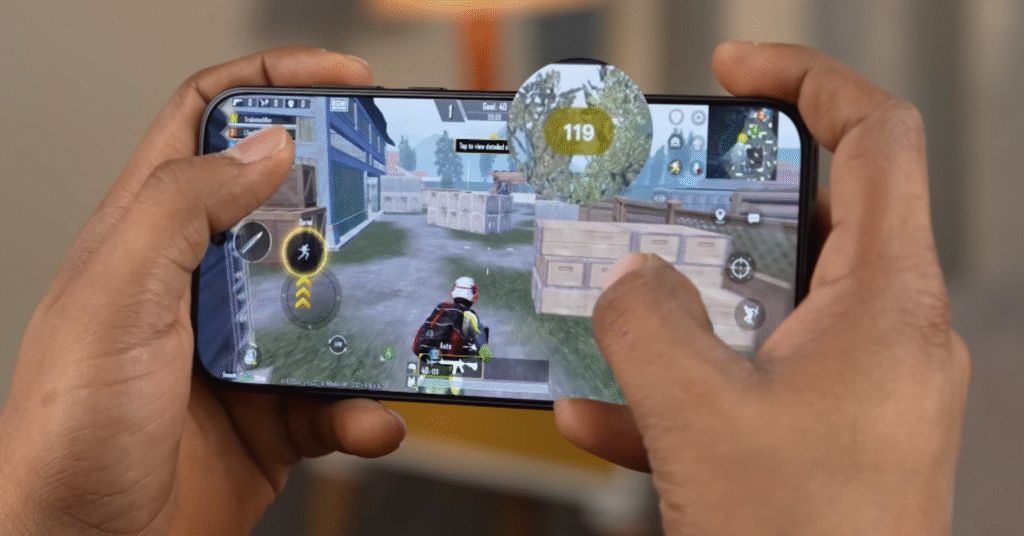
Benchmarks tell one story, but real gaming tells you the truth. To test this, we played Genshin Impact and Wuthering Waves for 30 minutes each, using the highest graphics settings.
On Genshin Impact, the OnePlus 15 showcased something special. Thanks to its OP Core feature and proper native 120 FPS support, the gameplay felt unbelievably smooth. Unlike screens that rely on frame interpolation, there were no touch delays or micro-stutters. After half an hour of gameplay, the OnePlus 15 averaged 119 FPS, barely dropping, and remained under 36 degrees Celsius.
The iPhone 17, even with native 120 FPS, averaged just over 107 FPS. That difference may not sound huge, but in fast scenes you can feel it.
In Wuthering Waves, both phones stayed around 59 FPS, though the OnePlus ran slightly hotter this time.
And yes this phone can push Call of Duty Mobile all the way to 165 FPS. Apple still has the big advantage of console-level game ports, but for competitive mobile gaming, the OnePlus 15 feels more capable and flexible this year.
Based on real-world gaming, the victory goes to OnePlus.
Battery Life and Charging
You’d expect all this power to drain the battery faster, but surprisingly, that was not the case here. OnePlus packed a huge 7,300 mAh silicon-nano battery inside the phone. With regular heavy use, we saw around 9.5 hours of screen-on time. That number is impressive for a flagship.
The iPhone 17 does a good job with its smaller battery, lasting about 8 hours. That’s solid, but still behind.
Charging speeds widen the gap even more. OnePlus includes a 120W SuperVOOC charger in the box, which takes the phone from 0% to 100% in about 40 minutes. Apple caps out at roughly 37W and does not include a charger, so a full charge takes more than an hour.
Wireless charging also favors OnePlus with 50W AirVOOC, compared to Apple’s 25W MagSafe level charging. If wireless charging speed matters to you, the difference is obvious.
Overall, when it comes to battery and charging, OnePlus simply wins this round.
Network and Connectivity
Connectivity is one of those features people don’t always think about, but you absolutely feel when something goes wrong. This year, the OnePlus 15 has one of the strongest network setups on an Android phone.
Both phones support Wi-Fi 7, Bluetooth 6, and NFC. But the OnePlus comes with an additional Wi-Fi G2 chip. This extra chip improves speed and stability, especially when you’re at a distance from the router. During testing, the OnePlus held its signal longer compared to the iPhone 17.
There are also two very unique features in the OnePlus 15 that stand out: roaming and BeaconLink. Oroaming lets you get an eSIM directly from the phone without relying on your network provider’s app or physical store. You can pause the eSIM whenever you want, which is surprisingly convenient.
BeaconLink works like a private Bluetooth intercom between OnePlus, Oppo, and Realme phones. If someone else has a supported device, you can talk to them without mobile data. Small features, but genuinely useful.
Across the board, network performance is strong, consistent, and reliable on the OnePlus 15.
Real-World Experience
When you stack everything togetherbenchmarks, gaming, battery, and network stability you get a clear picture of where things stand this year. For pure performance, the OnePlus 15 takes the lead. It’s not a tiny margin; it’s noticeable in several areas.
Apple still holds major advantages in the gaming ecosystem. No Android phone can match console ports like Resident Evil or Assassin’s Creed. The seamless connection between Mac, iPad, and iPhone is also something Android still cannot replicate fully.
But if you care mostly about speed, high frame rates, and longer battery life, the Android flagship wins this season. The OnePlus 15 feels like a complete performance package.
Conclusion (OnePlus 15 vs iPhone 17)
The debates around oneplus 15 vs iphone 17 will continue, especially with fans on both sides. The iPhone 17 is selling fast and will always appeal to people who love Apple’s software and ecosystem.
But if your top priority is raw power, smooth graphics, and incredible battery life, the OnePlus 15 stands ahead in this comparison. From gaming to charging speeds to benchmark numbers, it delivers more in areas that matter to performance-focused users.
This year, the Android side finally feels like it has taken a clear lead in performance and OnePlus is the one carrying that flag.
Read Also OnePlus 13 vs iPhone 16 Pro Max

M Adnan Akram is the founder and lead writer at Phoonomo, covering mobile technology with a primary focus on Apple and the broader smartphone industry, alongside emerging developments in AI. He follows product launches, spec leaks, and industry trends closely to keep readers informed with timely updates.
Discover more from Phoonomo
Subscribe to get the latest posts sent to your email.