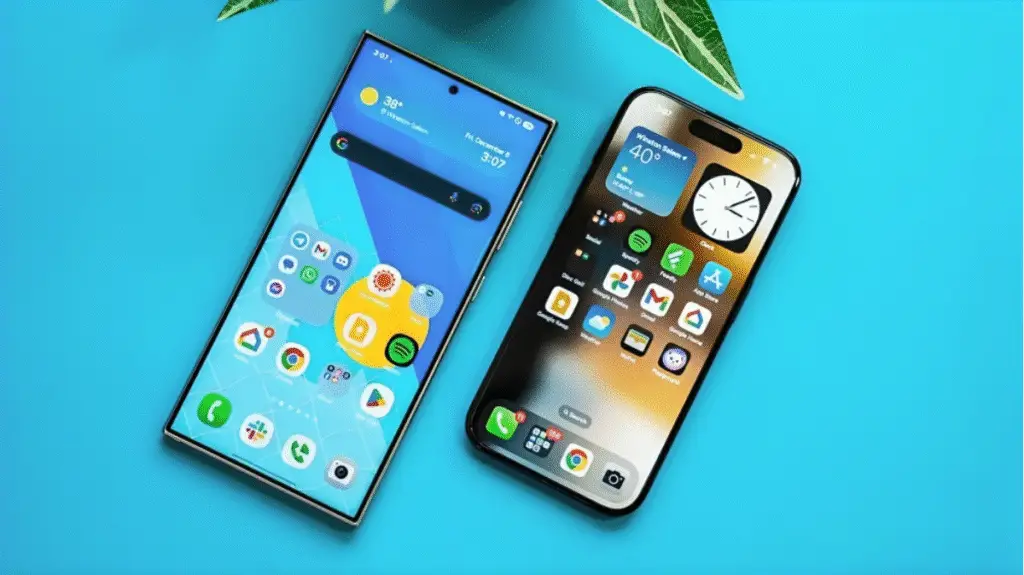
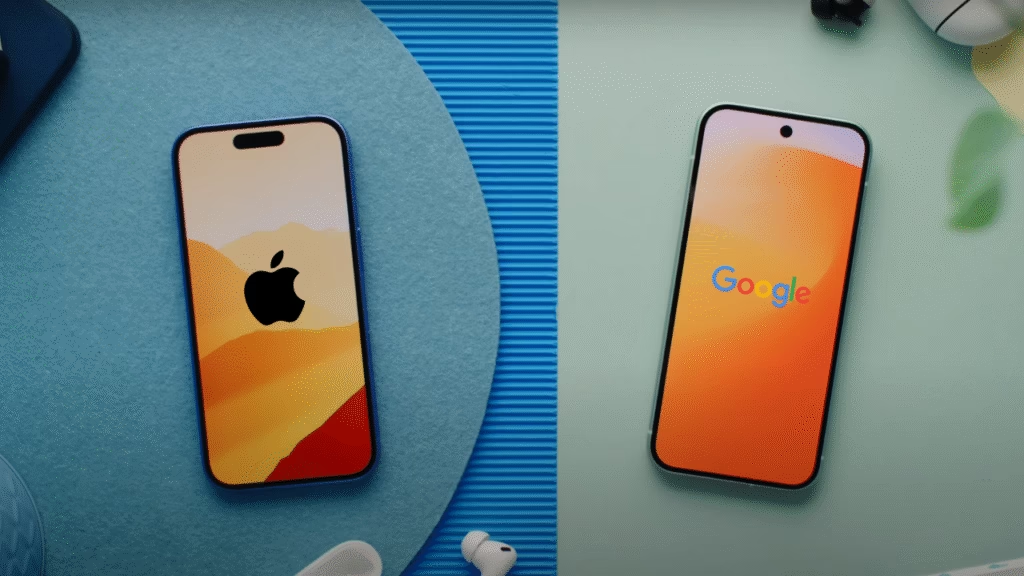
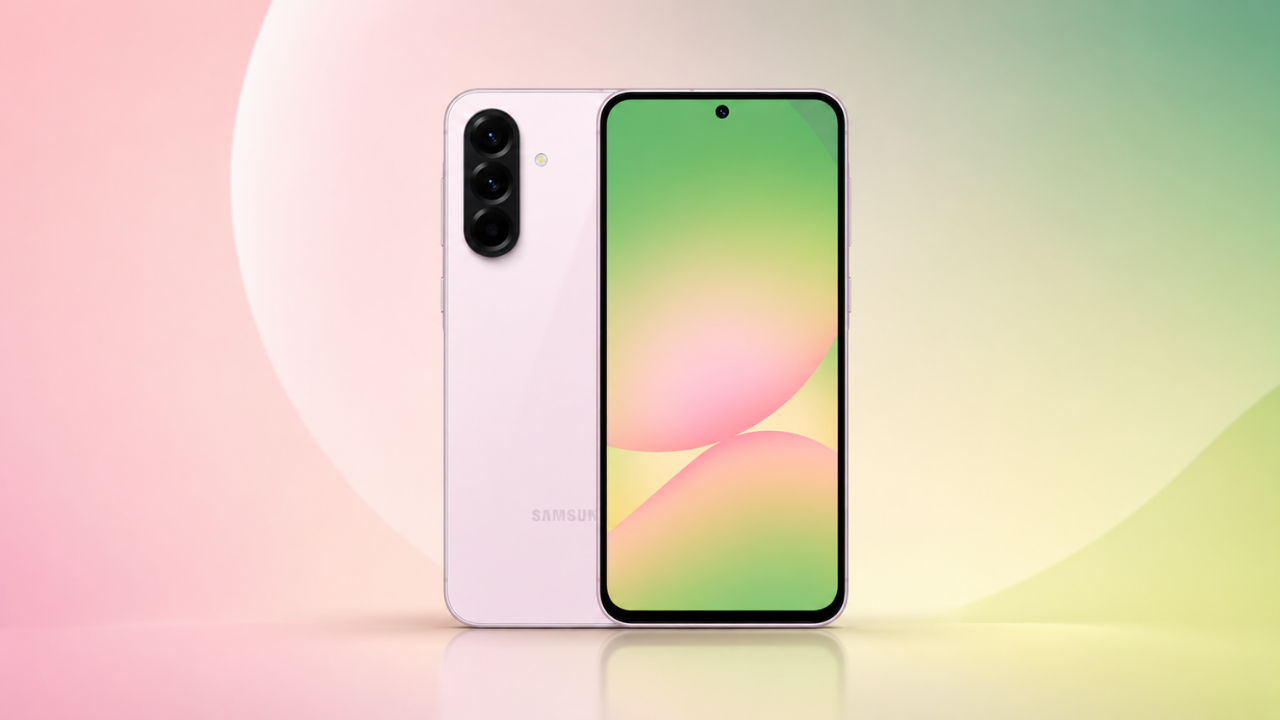
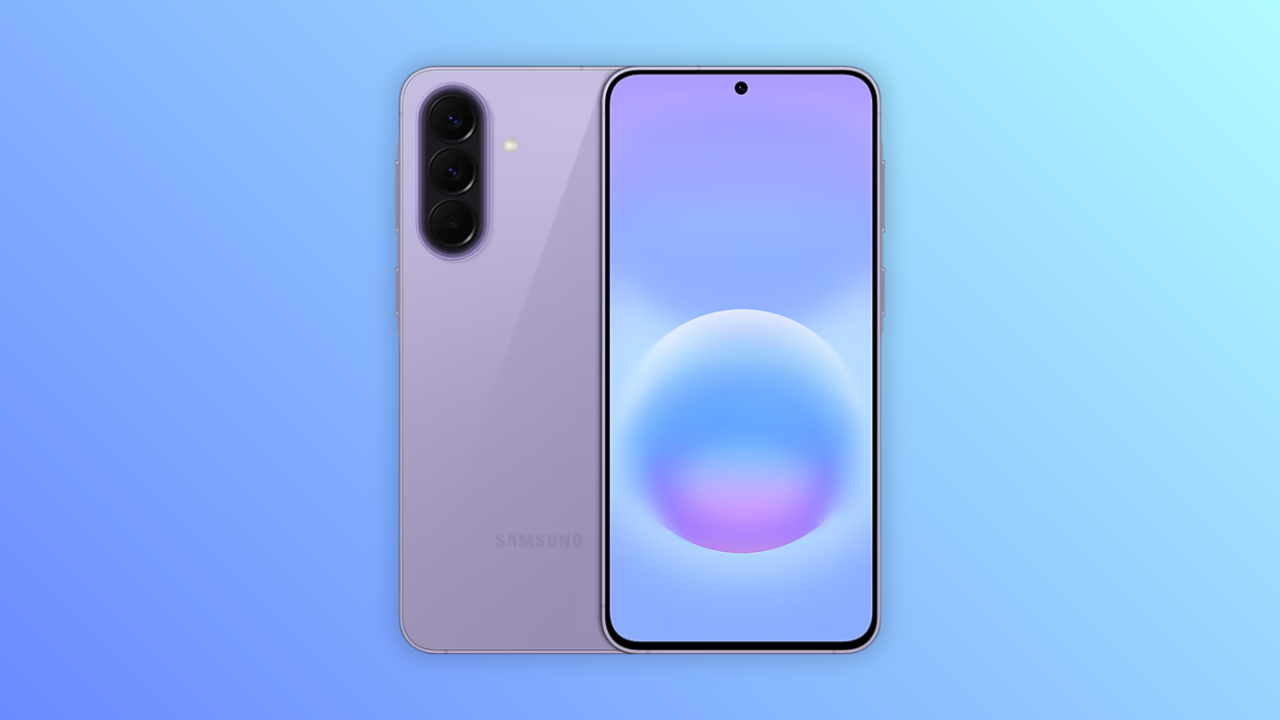
Well, everyone, let’s go ahead and take a look at the Google Pixel 10 Pro and compare it against last year’s Google Pixel 9 Pro, and see how both of these phones hold up here in 2025. Now, obviously, the Pixel 10 Pro has been out for a few days, while the Pixel 9 Pro has been around for about a year. Both of these are very interesting devices when you look at what Google has been doing with its lineup. So, let’s break it down and see what’s actually changed and what’s still the same.
Now, if you want to pick up either one of these phones, both are available officially through Google and major U.S. retailers. The Pixel 9 Pro launched at around $999 when it came out last year, and the Pixel 10 Pro starts at the same $999 mark. That right there already tells you that Google isn’t trying to push prices higher instead, they’re trying to improve what’s already working.
Design and Display
Starting off with the outside, the Pixel 10 Pro feels very familiar. It’s clearly built off the foundation of the Pixel 9 Pro, and when you put them side by side, you can tell Google didn’t reinvent the wheel here they refined it.
The Pixel 9 Pro features a 6.3-inch LTPO OLED display with a 120Hz refresh rate and 3,000 nits of peak brightness. That’s already a pretty solid screen for a flagship. The colors look rich, the contrast is beautiful, and outdoor visibility is great. It’s definitely one of those panels that still feels premium even a year later.
Now, the Pixel 10 Pro keeps that same 6.3-inch LTPO OLED size and 120Hz refresh rate, but it bumps the brightness up to 3,300 nits. It’s not a massive jump, but in direct sunlight, that difference really shows. It’s a smoother and slightly brighter panel overall. The bezels are just a bit thinner, giving it a slightly more modern and refined look.
In the hand, both feel pretty similar. You still get that familiar frosted glass back, aluminum frame, and that wide camera bar running across the back that makes Pixels so recognizable. Both phones support wireless charging and reverse wireless charging, but the Pixel 10 Pro adds MagSafe-style magnetic alignment support, which is actually a neat addition. It’s subtle but useful accessories just snap right on without any hassle.
So, when it comes to design and display, you’re not really missing out much on either. But that extra brightness and MagSafe-like feature do give the Pixel 10 Pro a small edge.
| Feature | Pixel 9 Pro | Pixel 10 Pro |
|---|---|---|
| Display Size | 6.3-inch LTPO OLED | 6.3-inch LTPO OLED |
| Refresh Rate | 120Hz | 120Hz |
| Peak Brightness | 3000 nits | 3300 nits |
| Back Design | Frosted glass | Frosted glass |
| Frame | Aluminum | Aluminum |
Performance and Hardware
Now, when it comes to performance, this is where Google made the most meaningful change. The Pixel 9 Pro runs on the Tensor G4 chip paired with 16GB of RAM, while the Pixel 10 Pro steps up to the Tensor G5 chip, also with 16GB of RAM.
Now, the Tensor G5 isn’t just a minor upgrade, it’s built with a focus on better efficiency, faster AI-driven tasks, and improved heat management. Day-to-day, you won’t notice a huge difference when you’re scrolling through apps or watching videos, because the G4 is already quite capable. But where you’ll see improvements is in things like faster photo processing, smoother multitasking, and less battery drain when using heavy camera or AI features.
Gaming performance has also improved slightly. The Tensor G5 keeps temperatures under control better than the G4, and the GPU performance is a bit stronger. It’s still not as gaming-focused as something like the Snapdragon 8 Gen 3 or Apple’s A17 Pro, but it’s more stable than before.
Battery life is roughly the same on both you’re looking at around a full day of use, but the Pixel 10 Pro squeezes out a bit more endurance thanks to improved efficiency. Both phones support fast charging, though the charging speeds haven’t changed dramatically, still around 30W wired, which could be faster but is fine for most people.
| Feature | Pixel 9 Pro | Pixel 10 Pro |
|---|---|---|
| Chipset | Tensor G4 | Tensor G5 |
| RAM | 16GB | 16GB |
| Storage Options | Up to 512GB | Up to 1TB |
| Battery Life | Full day use | Slightly longer due to efficiency |
Camera Comparison
Now let’s talk about the part that really defines any Pixel camera. This is where things get really interesting, because at first glance, there’s not much separating these two.
Both the Pixel 9 Pro and the Pixel 10 Pro come with the same triple-camera setup: a wide, ultrawide, and telephoto lens with similar megapixel counts across all sensors. Both phones are capable of 8K video recording on the rear and 4K at 60fps on the front.
So, what’s actually new here? Well, the processing. The Pixel 10 Pro benefits from the improved AI image pipeline powered by the Tensor G5. The difference isn’t huge, but it’s noticeable in certain lighting conditions. Photos from the Pixel 10 Pro come out a bit cleaner, especially in low light, with better color consistency and less noise. Portrait shots have slightly improved edge detection, and HDR results are more balanced.
That being said, the Pixel 9 Pro still takes phenomenal photos. Google’s image processing has always been its biggest strength, and that continues here. If you already own the Pixel 9 Pro, you’re not going to feel like you’re missing out on a massive camera overhaul because you aren’t. But if you’re upgrading from an older model, the Pixel 10 Pro’s refinements will definitely stand out.
| Feature | Pixel 9 Pro | Pixel 10 Pro |
|---|---|---|
| Rear Cameras | Triple (Wide, Ultrawide, Telephoto) | Triple (Wide, Ultrawide, Telephoto) |
| Video Recording | 8K (rear), 4K60 (front) | 8K (rear), 4K60 (front) |
| AI Processing | Tensor G4-based | Tensor G5 image pipeline |
| Low-Light Shots | Excellent | Cleaner, better tone balance |
| HDR & Portraits | Strong results | Slightly improved edge detection |
Software and Longevity
Now, when it comes to software, both phones run the latest version of Android 15, with Google’s clean and minimal interface. Google promises seven years of updates, which means both the 9 Pro and the 10 Pro will be supported for a long time.
The Pixel 10 Pro, of course, will be supported one year longer, but realistically, both phones are future-proof for several years. Performance updates, security patches, and feature drops will keep these phones running smoothly for a long time.
This is one of the best parts about owning a Pixel device: the software experience just feels light, fast, and cohesive. Features like Live Translate, Call Screening, and the new AI-powered Recorder app feel even smoother on the Pixel 10 Pro, thanks to the G5’s improved processing.
| Feature | Pixel 9 Pro | Pixel 10 Pro |
|---|---|---|
| OS Version | Android 15 | Android 15 |
| Software Support | 7 years | 7 years (ends 1 year later) |
| AI Features | Call Screen, Live Translate | Same, but smoother and faster |
Audio and Connectivity
Both phones come with stereo speakers, and the quality is nearly identical. The Pixel 10 Pro might have slightly clearer highs, but most people won’t notice much difference. There’s no headphone jack on either, as expected.
Connectivity-wise, both support 5G, Wi-Fi 7, and Bluetooth 5.4, so you’re set for the latest networks and accessories. The Pixel 10 Pro also adds improved ultra-wideband (UWB) support for better device tracking and sharing features.
| Feature | Pixel 9 Pro | Pixel 10 Pro |
|---|---|---|
| Speakers | Stereo | Stereo (clearer highs) |
| Headphone Jack | No | No |
| Connectivity | 5G, Wi-Fi 7, Bluetooth 5.4 | 5G, Wi-Fi 7, Bluetooth 5.4, UWB improved |
Verdict
So, when it comes down to Google Pixel 9 Pro vs Pixel 10 Pro, what’s the smarter choice in 2025? Well, it really depends on where you’re coming from.
If you already have a Pixel 9 Pro, the upgrade to the 10 Pro might not feel massive. You’ll get a brighter screen, a slightly faster processor, and that new MagSafe-style charging setup but the camera, software, and overall experience are nearly identical. The 9 Pro still performs beautifully and holds up very well a year later.
However, if you’re coming from an older Pixel, say the Pixel 7 or 8 series, then the Pixel 10 Pro is absolutely worth it. You’re getting better performance, refined design, improved AI capabilities, and slightly better photos all wrapped up in a polished and premium package.
At the end of the day, both phones represent what Google does best: clean Android, strong AI features, and some of the best camera software in the industry. The Pixel 10 Pro edges ahead as the better overall device, but the Pixel 9 Pro remains one of the most balanced and reliable phones you can buy even today.
If I had to choose, I’d go for the Pixel 10 Pro for that added brightness and future-proofing. But if you find the Pixel 9 Pro on sale, you’re still getting about 95% of the same experience for a lot less money. Either way, you can’t go wrong with either of these Pixels in 2025.
| Aspect | Pixel 9 Pro | Pixel 10 Pro |
|---|---|---|
| Value in 2025 | Still very capable | Best choice for new buyers |
| Major Upgrade Areas | N/A | Display brightness, chipset, MagSafe feature |
| Camera Difference | Minor | Slightly improved |
| Battery & Performance | Great | More efficient |
| Final Verdict | 95% same as new one | Slightly better, more future-proof |
See Also Google Pixel 9 vs 9 Pro: Which One Should You Buy in 2025?
FAQs
Is the Pixel 10 Pro worth upgrading from the Pixel 9 Pro?
If you already own the Pixel 9 Pro, the Pixel 10 Pro offers only small upgrades: a brighter screen, faster Tensor G5 chip, and MagSafe-style charging. It’s worth it if you want those extras, but the Pixel 9 Pro still performs almost the same.
What’s the main difference between the Pixel 9 Pro and Pixel 10 Pro?
The biggest changes are the Tensor G5 processor, 3300 nits peak brightness display, and the new magnetic charging feature on the Pixel 10 Pro. Everything else including the cameras and design stays pretty similar.
Are the camera results better on the Pixel 10 Pro?
Yes, but slightly. The Pixel 10 Pro uses improved AI image processing, giving cleaner photos in low light and more balanced HDR. However, the core camera hardware is the same on both.
How long will Google support both phones?
Both phones come with seven years of software updates from Google. The Pixel 10 Pro will be supported a year longer since it launched later.
Does the Pixel 10 Pro have better battery life?
Battery capacity is about the same, but the Pixel 10 Pro’s newer chipset makes it slightly more power-efficient, so it can last a bit longer in daily use.
Which phone is better for photography?
Both phones perform nearly identically since they share the same lenses. The Pixel 10 Pro wins by a small margin due to improved image processing and AI-based enhancements.
How much does the Pixel 10 Pro cost in the U.S.?
The Pixel 10 Pro starts at $999, the same as the Pixel 9 Pro when it launched.
Should I buy the Pixel 9 Pro in 2025?
Yes, if you can find it at a lower price. It still offers flagship-level performance, great photos, and long-term software support, making it a solid choice even a year later.

M Adnan Akram is the founder and lead writer at Phoonomo, covering mobile technology with a primary focus on Apple and the broader smartphone industry, alongside emerging developments in AI. He follows product launches, spec leaks, and industry trends closely to keep readers informed with timely updates.
Discover more from Phoonomo
Subscribe to get the latest posts sent to your email.