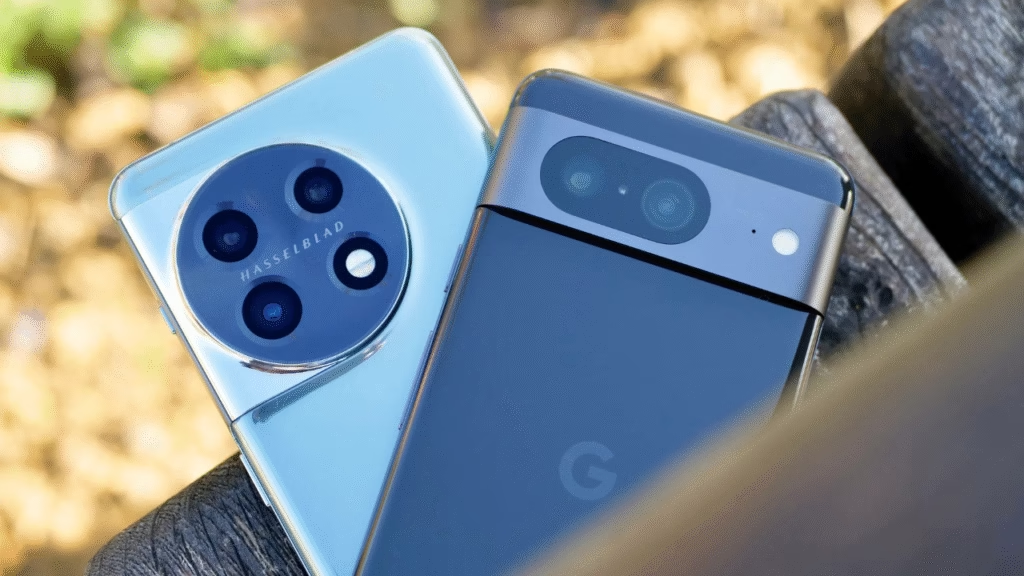
Smartphone buyers today face an overwhelming amount of choice, and narrowing it down to two models can feel like a victory in itself. If you’re torn between the OnePlus 12R and the Google Pixel 7a, you’re already dealing with two solid contenders. Both phones offer excellent features, but they cater to slightly different priorities. In this in-depth look at the OnePlus 12R vs Google Pixel 7a specs, we’ll break down what each device brings to the table so you can make the most informed decision possible.
Design and Build Quality
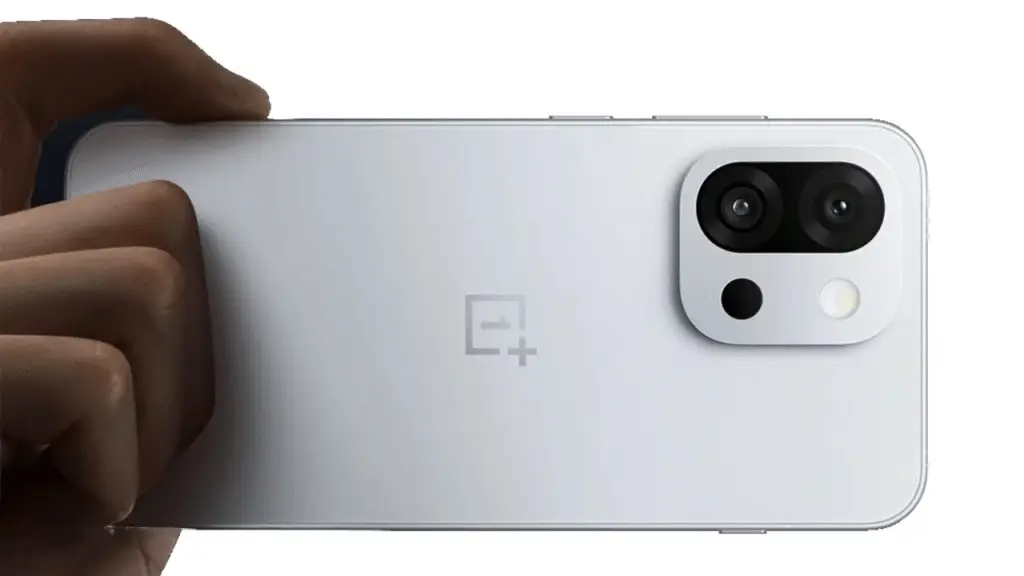
At first glance, the OnePlus 12R immediately shows off its premium build. It comes with Gorilla Glass Victus 2 on the front, a matte glass back, and an aluminum frame. The design feels flagship-grade, and the 207 g weight adds a reassuring heft without feeling too heavy.
The Google Pixel 7a, on the other hand, opts for a more modest approach. It features an aluminum frame but uses a plastic back. While this might not sound as luxurious, the Pixel’s IP67 rating means it’s more resistant to water and dust than the OnePlus 12R, which carries only an IP64 rating. If you live in an area prone to rain or you’re simply clumsy around water, that extra protection could matter.
Display Differences
The display is often a deciding factor for many buyers. The OnePlus 12R boasts a 6.78-inch LTPO4 AMOLED ProXDR screen with a resolution of 1264×2780 pixels and a refresh rate ranging from 1 Hz to 120 Hz. It’s incredibly bright, peaking at a staggering 4500 nits, making it ideal for outdoor use. Scrolling feels buttery-smooth, and HDR content pops with vivid colors.
The Pixel 7a takes a smaller, more compact approach with a 6.1-inch OLED display at 1080×2400 pixels and a 90 Hz refresh rate. While not as fluid as the OnePlus 12R’s panel, it’s still a solid performer with HDR support. The Gorilla Glass 3 protection isn’t as robust as Victus 2, but it does the job for everyday use.
Performance and Processing Power
If raw performance is your priority, the OnePlus 12R clearly has the upper hand. It runs on the Snapdragon 8 Gen 2 chipset, built on a 4 nm process, paired with the Adreno 740 GPU. This combination is powerful enough for heavy gaming, multitasking, and future-proofing for years to come. Depending on your chosen configuration, you can get up to 16 GB of LPDDR5X RAM and 256 GB of fast UFS 3.1 storage.
The Pixel 7a uses Google’s custom Tensor G2 processor. While it doesn’t match the Snapdragon 8 Gen 2 in raw benchmark numbers, it shines in AI-driven tasks and smart features. Google has optimized the Tensor G2 for things like real-time language translation, on-device voice processing, and advanced photo editing. You get 8 GB of RAM and 128 GB of storage, which is plenty for most users but less flexible than the OnePlus 12R’s higher capacity options.
Camera Capabilities
Google’s Pixel line has a strong reputation for photography, and the Pixel 7a continues that tradition. It comes with a 64 MP main sensor with OIS and a 13 MP ultrawide lens. The front houses a 13 MP ultrawide camera capable of 4K video. Google’s computational photography software is the star here — images are consistently sharp, well-balanced, and rich in detail, even in low light.
The OnePlus 12R uses a 50 MP Sony IMX890 main sensor with OIS, an 8 MP ultrawide, and a 2 MP macro camera. While the hardware is solid, the image processing leans towards a more vibrant, contrast-heavy look. For video, it performs admirably, though Google’s stabilization and color science often feel more refined.
Battery Life and Charging
Battery performance is an area where OnePlus takes a commanding lead. The 12R packs a large 5500 mAh battery and supports blazing-fast 100 W SUPERVOOC wired charging. You can go from nearly empty to full in well under half an hour. The trade-off is that it doesn’t support wireless charging.
The Pixel 7a has a smaller 4385 mAh battery, which is still respectable for its size. It charges at a more modest 18 W and supports 7.5 W wireless charging. While it won’t charge as fast as the OnePlus, it offers the convenience of topping up without plugging in — handy if you already own a wireless charger.
Software and User Experience
The OnePlus 12R ships with Android 14 running OxygenOS 14. OxygenOS is known for its clean interface, smooth animations, and useful customization options without bloatware. OnePlus promises several years of software updates, though its track record is slightly behind Google’s in long-term support.
The Pixel 7a launched with Android 13 but has already received Android 14 and will get upgrades up to Android 16. Google’s Pixel phones receive updates faster than almost any Android device, often on the same day they’re released. You also get exclusive Pixel features like Call Screen, Recorder with real-time transcription, and the Titan M2 security chip.
Extra Features and Considerations
- Durability: Pixel 7a wins with IP67 vs IP64 on the OnePlus 12R.
- Security: Titan M2 chip on the Pixel adds an extra layer of safety.
- Connectivity: Both support 5G, NFC, and stereo speakers, but neither has a headphone jack.
- Weight & Size: The Pixel 7a is more compact and lighter, which could be more comfortable for one-handed use.
Price and Value
While prices vary by region, the OnePlus 12R typically offers more powerful hardware for the money — especially if you value display quality, battery capacity, and charging speed. The Pixel 7a, though, brings unmatched software updates, excellent camera performance, and better water resistance.
Final Verdict – Which One Is Right for You?
Choosing between the OnePlus 12R vs Google Pixel 7a specs comes down to your priorities:
- Pick the OnePlus 12R if you want the fastest performance, a large and bright display, and extremely quick charging. It’s ideal for gamers, power users, and anyone who values speed and battery life over wireless charging.
- Choose the Google Pixel 7a if photography, timely updates, water resistance, and AI-powered features matter most. It’s perfect for those who want a smaller, easier-to-handle phone that still packs excellent camera capabilities.
Both are strong contenders, but your lifestyle will ultimately decide which one’s the better fit.
FAQs
Which phone has the better display, OnePlus 12R or Google Pixel 7a?
The OnePlus 12R has a larger 6.78-inch LTPO4 AMOLED display with a 120 Hz refresh rate and much higher peak brightness compared to the Pixel 7a’s 6.1-inch OLED at 90 Hz.
Which device offers better camera performance?
While both have capable cameras, the Pixel 7a generally delivers better image processing, especially in low light, thanks to Google’s computational photography.
Does the OnePlus 12R support wireless charging?
No, the OnePlus 12R does not support wireless charging, but it offers super-fast 100 W wired charging.
Which phone lasts longer on a single charge?
The OnePlus 12R’s 5500 mAh battery typically lasts longer than the Pixel 7a’s 4385 mAh battery, especially for heavy users.
Which phone gets software updates for longer?
The Pixel 7a receives Android updates and security patches faster and for more years compared to the OnePlus 12R.
Is the Pixel 7a more durable than the OnePlus 12R?
Yes, the Pixel 7a has an IP67 water and dust resistance rating, while the OnePlus 12R is rated IP64.
Which phone is better for gaming?
The OnePlus 12R, with its Snapdragon 8 Gen 2 and higher refresh rate display, is better suited for gaming performance.
Which phone should I buy for everyday use?
If you prioritize performance and battery life, choose the OnePlus 12R. If you value camera quality, compact design, and long-term software support, pick the Pixel 7a.
Follow Phoonomo to never miss an update

M Adnan Akram is the founder and lead writer at Phoonomo, covering mobile technology with a primary focus on Apple and the broader smartphone industry, alongside emerging developments in AI. He follows product launches, spec leaks, and industry trends closely to keep readers informed with timely updates.
Discover more from Phoonomo
Subscribe to get the latest posts sent to your email.