A lot has changed in the smartphone world since 2023. AI-powered cameras, on-device assistants, and smarter chips have become the new normal with phones like the iPhone 17 and Pixel 10. But every now and then, it’s worth taking a step back to appreciate the devices that quietly set the stage for all this progress.
The Pixel 8 and iPhone 15 might not be the newest anymore, but they were the turning point for both brands. Google leaned harder into AI, while Apple refined performance and design. Two years later, they’ve aged better than most expected.
For anyone who doesn’t need bleeding-edge specs but still wants a premium, reliable phone, these two are still serious contenders. Let’s revisit them and see which one continues to deliver the better overall experience in 2025.
Design and Build Quality
In terms of looks, these two phones couldn’t be more different. The Pixel 8 went for a rounder, softer design with curved edges and a signature horizontal camera bar that instantly identifies it as a Google phone. The iPhone 15, on the other hand, kept Apple’s flat-edge design with its familiar square camera module. Both are elegant, but their styles appeal to different tastes.
The materials and feel in hand also tell unique stories. The Pixel 8 feels solid and a bit denser, weighing around 187 grams, while the iPhone 15 is noticeably lighter at 171 grams. That weight difference is small on paper but very noticeable when you pick them up. The iPhone’s lighter build makes it more comfortable for long use, while the Pixel’s extra heft gives it a slightly more premium and substantial feel.
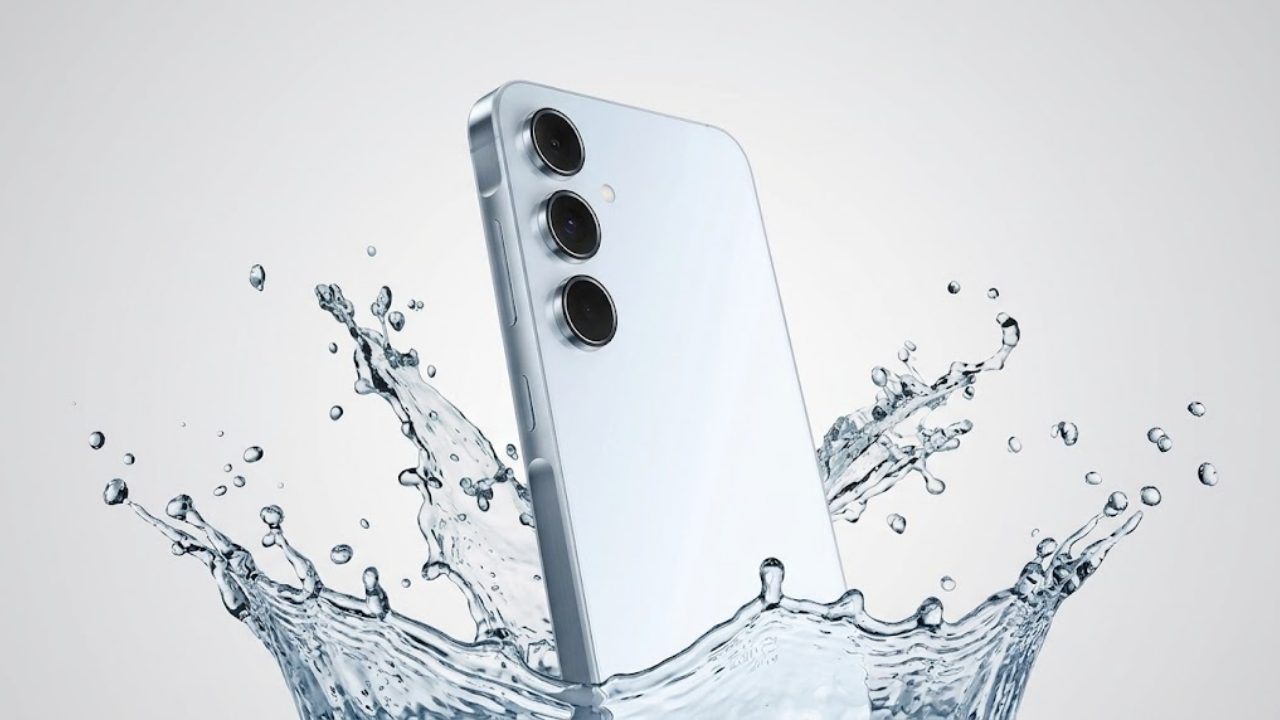
Both phones are IP68 rated for dust and water resistance, and both have glass fronts and backs. Overall, neither device feels cheap or outdated even two years later. Apple’s minimalism still looks timeless, and Google’s playful, modern design language has aged surprisingly well.
Display and Visual Experience
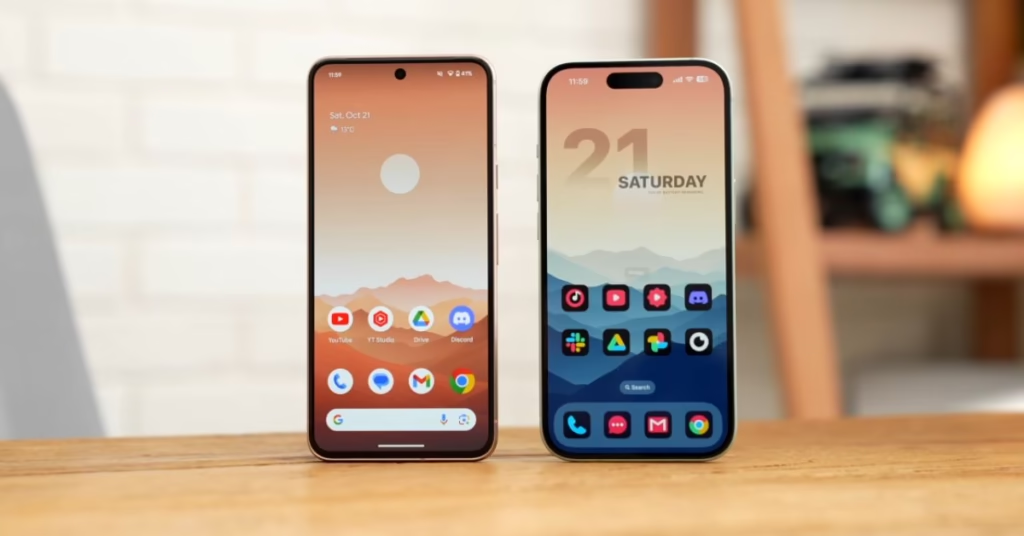
Display quality is one of the biggest areas where the Pixel 8 had a clear advantage back then and it still holds up today. The Pixel 8 comes with a 6.2-inch OLED display running at a smooth 120Hz refresh rate. The iPhone 15, in contrast, features a 6.1-inch OLED panel that’s limited to 60Hz.
That difference alone made the Pixel feel faster and smoother in day-to-day use. Scrolling through apps, switching screens, or playing games all felt more fluid on the Pixel 8. Even though the iPhone’s display has a slightly higher resolution (1179 x 2556), you can barely tell the difference in sharpness when comparing them side by side.
Both phones can reach impressive brightness levels up to 2,000 nits in HDR but the Pixel edges out in typical outdoor brightness, hitting around 1,400 nits compared to the iPhone’s 1,000. Another point for Google is the punch-hole camera design, which feels less intrusive than the iPhone’s Dynamic Island cutout.
If you care about a smooth user experience and modern visuals, the Pixel’s display remains superior even in 2025. The iPhone’s screen is still beautiful, but that 60Hz limitation feels dated now, especially when almost every mid-range phone today has moved to 120Hz.
Audio and Speakers
Both phones deliver strong stereo sound with a speaker at the bottom and another integrated near the earpiece. The overall experience is loud and clear on both sides, but the iPhone 15 takes a narrow win here. Its audio tuning is slightly richer in the midrange, producing cleaner vocals and less muddiness at higher volumes.
The Pixel 8 still sounds great, especially for watching videos or casual music listening, but the iPhone’s sound has that extra bit of polish Apple is known for. In short, you’ll be happy with either, but audiophiles might prefer the iPhone’s balance and warmth.
Performance and Speed
Performance is where Apple and Google took two very different paths. The iPhone 15 runs on Apple’s A16 Bionic chip, the same one found in the 14 Pro series, while the Pixel 8 uses Google’s Tensor G3. On paper, benchmarks always favored Apple, and even today, the A16 remains the faster, more efficient processor overall.
The Tensor G3, however, focuses less on raw power and more on smart, AI-driven experiences. It enabled Google’s clever camera tricks, voice features, and real-time translation tools. In daily tasks like web browsing, messaging, and app switching, both phones perform smoothly, though the Pixel’s 120Hz screen makes it feel faster.
That said, under heavy workloads, Apple’s chip remains more stable. The Pixel 8 can show some thermal throttling during longer gaming sessions, while the iPhone 15 maintains consistent performance for longer. In 2025, both are still fast and reliable, but Apple’s efficiency gives it a slight long-term edge in performance and battery management.
Camera Performance
The cameras were arguably the biggest talking point back in 2023, and for good reason. The Pixel 8 has a 50MP main sensor paired with a 12MP ultra-wide, while the iPhone 15 carries a 48MP main sensor and a 12MP ultra-wide lens. Both produce fantastic photos, but they approach photography differently.
Google’s Pixel 8 delivers punchy, contrast-rich images straight out of the camera. It’s especially good at HDR and detail, often making skies and shadows pop. Apple’s iPhone 15, on the other hand, goes for a more natural and balanced look with accurate colors and smoother tones.
For selfies, the Pixel 8’s 10MP front camera surprises with sharp and vivid results, thanks to Google’s powerful post-processing. The iPhone 15’s 12MP front camera is excellent too, but the Pixel’s software-driven approach often creates more flattering and consistent results.
When it comes to video, though, Apple still dominates. The iPhone 15 captures steadier footage with more detail and natural color, and its 4K Cinematic Mode still looks impressive even two years later. Google has improved its video game with the Pixel 8, but Apple remains the go-to choice for creators and vloggers.
Both phones lack a dedicated telephoto lens, so zoom performance relies on digital cropping. The iPhone tends to preserve detail better when zooming, but neither can match the Pro or Pro Max models that followed.
Battery Life and Charging
Battery life is another area where the Pixel 8 managed to impress. Despite its higher refresh rate display, it often outlasted the iPhone 15 in endurance tests. The Pixel’s 4,575mAh battery easily delivered over a day of heavy use, while the iPhone’s smaller 3,300mAh cell typically landed around a day with moderate use.
In screen-on tests, the Pixel consistently had more left in the tank roughly 54% compared to 47% for the iPhone under similar conditions. Both support wireless charging, but Apple’s MagSafe system remains more refined and practical.
Charging speeds are modest on both sides. Neither is among the fastest in 2025 standards, but they’re reliable. The Pixel 8 supports faster USB-C data transfer speeds, while Apple’s move to USB-C on the iPhone 15 was a welcome change, even if limited to slower transfer rates.
Software and Updates
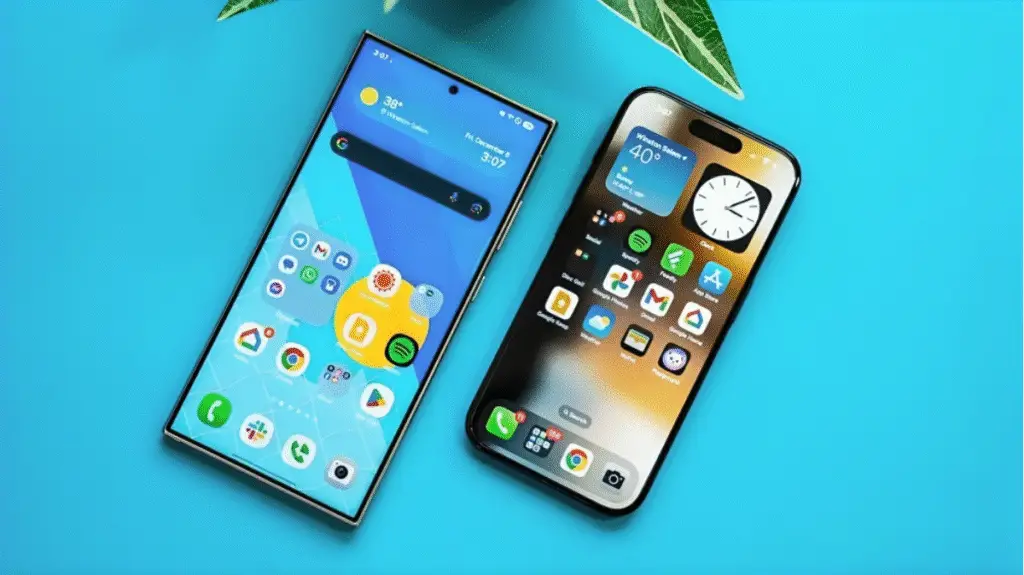
Software preference is where opinions usually split. The iPhone runs iOS, known for its stability, seamless ecosystem, and years of consistent updates. The Pixel runs Android, offering greater flexibility, customization, and exclusive Google features.
In the past, Apple had the clear lead in update support, often providing five or six years of major updates. But with the Pixel 8, Google turned things around by promising seven years of Android updates matching, and in some ways surpassing, Apple’s long-term commitment.
The Pixel 8 also came packed with AI-powered tools like “Best Take,” “Magic Eraser,” “Face Unblur,” and the incredible “Call Screen” feature that filters spam calls automatically. These small touches make it one of the smartest phones to use, even two years later.
So while iOS still wins for simplicity and polish, Android on the Pixel 8 brings innovation and flexibility that appeal to power users.
Price and Value in 2025
When they first launched, the iPhone 15 started around $800, while the Pixel 8 came in at $700, a solid $100 difference. Now, in 2025, both phones are available for much less. You can find the Pixel 8 for under $500 and the iPhone 15 around $550–$600, depending on condition and storage.
Considering the price drop, the Pixel 8 offers incredible value. You get a smoother screen, longer battery life, and an intelligent software experience for less. The iPhone 15 still makes sense if you’re deep in Apple’s ecosystem or value video recording and long-term reliability. But purely from a price-to-performance standpoint, Google’s offering gives you more for less.
Final Verdict
Looking back in 2025, both of these phones have aged gracefully. The iPhone 15 remains a reliable, beautifully built phone with great performance and unmatched video recording. The Pixel 8, on the other hand, stands out with its vibrant display, smarter features, and better overall value.
If you’re choosing today, the decision is simple:
- Pick the Pixel 8 if you want smart features, smoother performance, and longer battery life for a lower price.
- Choose the iPhone 15 if you value refined video quality, ecosystem integration, and Apple’s hardware craftsmanship.
Either way, both phones prove that you don’t need the latest flagship to get a premium smartphone experience in 2025.
See Also Pixel 8 Pro vs iPhone 15 Pro: Ultimate Flagship Comparison 2025
FAQs (Pixel 8 vs iPhone 15)
Is the Pixel 8 still worth buying in 2025?
Yes. Even with the Pixel 9 out, the Pixel 8 remains a strong performer. Its 120 Hz display, reliable camera system, and long-term software support make it an excellent mid-flagship choice especially now that prices have dropped.
How does the iPhone 15 hold up against newer iPhones?
Surprisingly well. The iPhone 15 still feels premium, runs smoothly on the latest iOS updates, and offers dependable battery life. Unless you need the extra power or new camera modes of the iPhone 17, it’s still a smart buy.
Which phone has the better cameraPixel 8 or iPhone 15?
The Pixel 8 generally takes sharper and more vibrant photos thanks to Google’s AI processing, while the iPhone 15 continues to lead in video recording quality. Both are excellent, but your preference depends on whether you shoot more photos or videos.
Do both phones support USB-C?
Yes. 2023 was the first year Apple switched the iPhone 15 series to USB-C, while Pixel phones have used it for years. The Pixel 8 supports faster data transfer speeds, though everyday users may not notice much difference.
What about software updates?
Google promised up to seven years of updates for the Pixel 8, which matches or even exceeds Apple’s typical support window. Both are among the best in the industry for long-term reliability.
Which one offers better value for money in 2025?
The Pixel 8 tends to cost less and offers slightly more flexibility, especially if you prefer Android. The iPhone 15, however, holds its resale value better and integrates seamlessly into Apple’s ecosystem. Value depends on your ecosystem preference.
Should I upgrade from the Pixel 8 or iPhone 15 to newer models?
Only if you need the latest AI features, higher refresh displays, or advanced zoom cameras. For most people, both of these 2023 flagships still perform perfectly for everyday use in 2025.

M Adnan Akram is the founder and lead writer at Phoonomo, covering mobile technology with a primary focus on Apple and the broader smartphone industry, alongside emerging developments in AI. He follows product launches, spec leaks, and industry trends closely to keep readers informed with timely updates.
Discover more from Phoonomo
Subscribe to get the latest posts sent to your email.