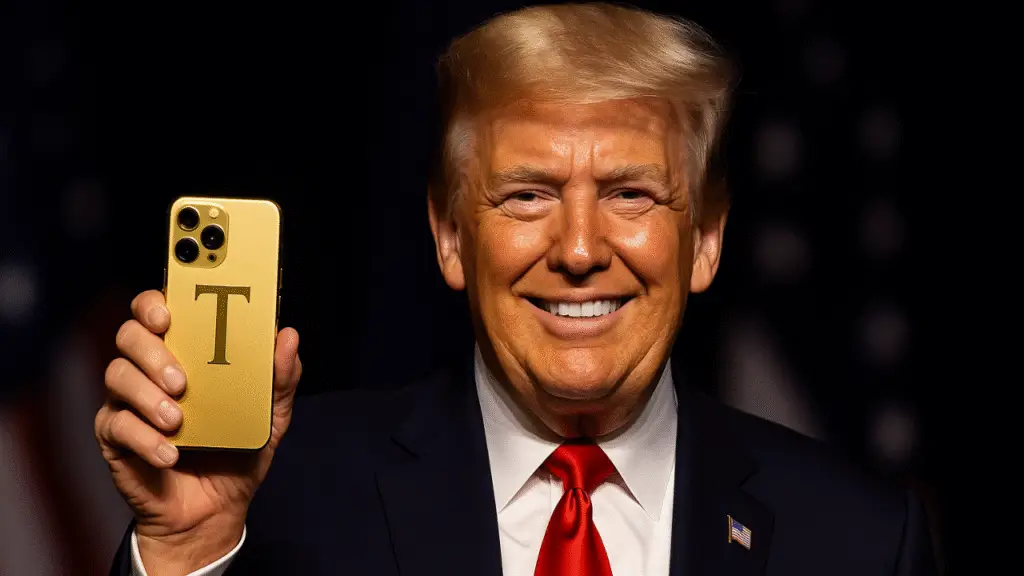
Apple is looking at ways to raise App Store margins and generate more recurring revenue, according to Bloomberg’s Mark Gurman, in a push reportedly being driven by new CEO John Ternus and services chief Eddy Cue. Nothing has been announced. These are ideas Apple is said to be weighing, not a confirmed plan but the report also links the effort to Phil Schiller’s decision to step back from running the App Store last week.
None of the specific changes are locked in yet, though the report lays out a few directions Apple could take.
| Possible change | Status |
| More automated app review | Reported possibility |
| Higher $99/year developer fee | Reported possibility |
| Traffic-based fees for large developers | Reported possibility |
| Higher App Store commission | Not reported as planned |
The automation idea is arguably the most interesting one, since it ties directly into how AI has changed app development. With agentic coding tools now capable of generating large portions of an app with minimal human input, Apple’s manual review process could become harder to scale, and leaning more on automated scanning and testing could cut costs and speed up approvals though it also risks more incorrectly flagged or rejected apps if the automation gets it wrong. The other two ideas are more straightforward: raising the developer program’s $99 annual fee, or charging large, high-traffic developers a separate subscription tied to how much infrastructure their apps actually use. There’s no reported number for either one yet.
This is where Schiller’s exit becomes relevant. As an Apple Fellow, part of his job was overseeing the App Store, and Gurman’s report says Schiller didn’t support the direction Ternus and Cue were pushing, believing it risked provoking developers and regulators further. That’s worth separating from an internal blowup; the report frames it as a disagreement over strategy rather than a dramatic falling-out but it’s still described as part of why Schiller stepped back from the role last week.
The regulatory angle is arguably the biggest constraint here. Apple is already facing scrutiny in multiple markets over App Store commissions, alternative payment systems, and steering rules, and it’s currently defending a £2 billion lawsuit in the UK tied to its App Tracking Transparency policy. Any move that makes the App Store more expensive for developers would likely draw more of that same attention, which is presumably part of what worried Schiller in the first place.
For iPhone users, nothing changes right now; there’s no new fee, no confirmed commission change, and no indication Apple plans to announce anything App Store-related at next week’s September 9 event. If Apple does eventually raise developer costs, the more likely ripple effect would show up indirectly, through higher app or subscription prices as developers pass costs along, rather than anything users would see directly from Apple itself.

M Adnan Akram is the founder and lead writer at Phoonomo, covering mobile technology with a primary focus on Apple and the broader smartphone industry, alongside emerging developments in AI. He follows product launches, spec leaks, and industry trends closely to keep readers informed with timely updates.
Discover more from Phoonomo
Subscribe to get the latest posts sent to your email.