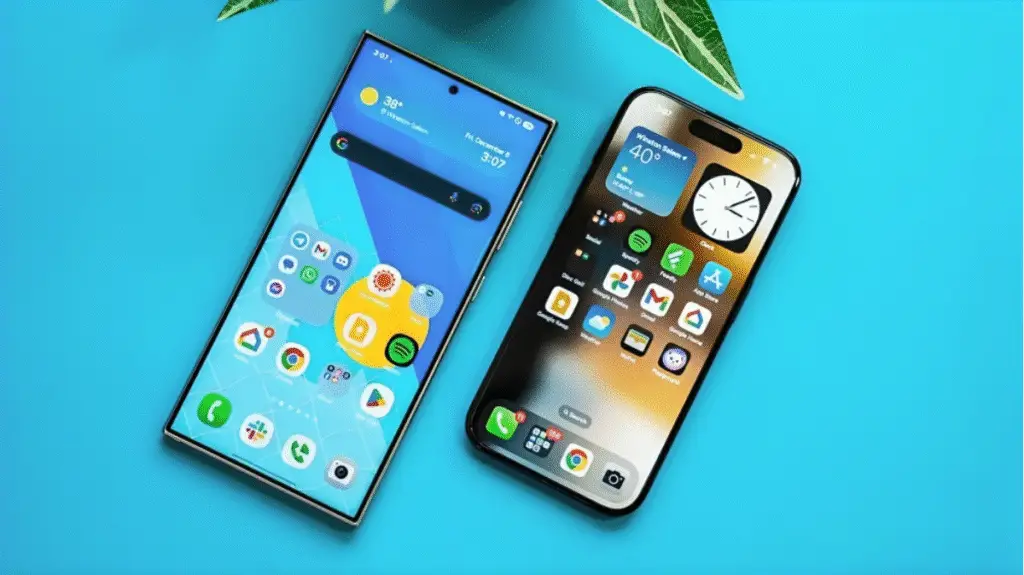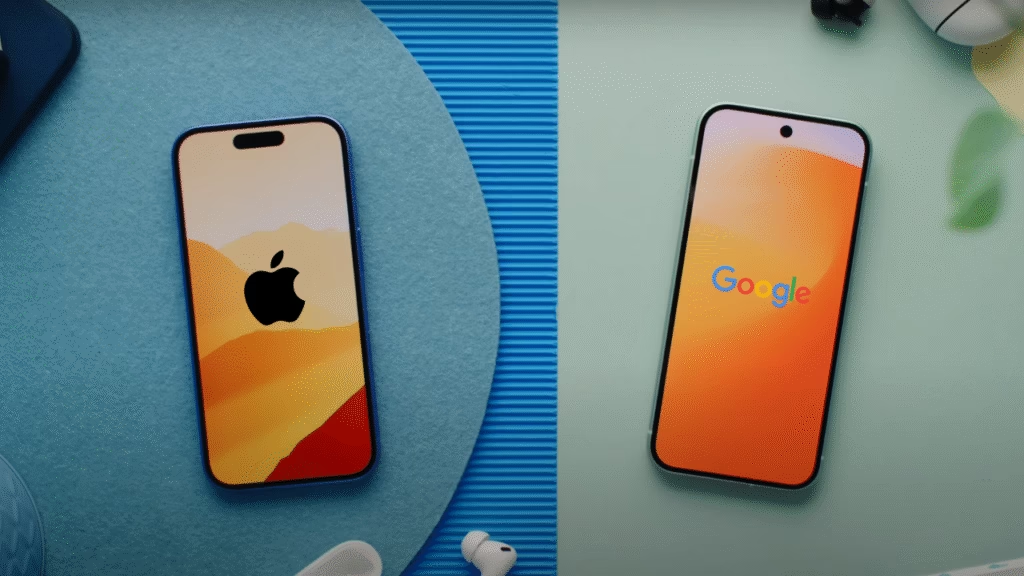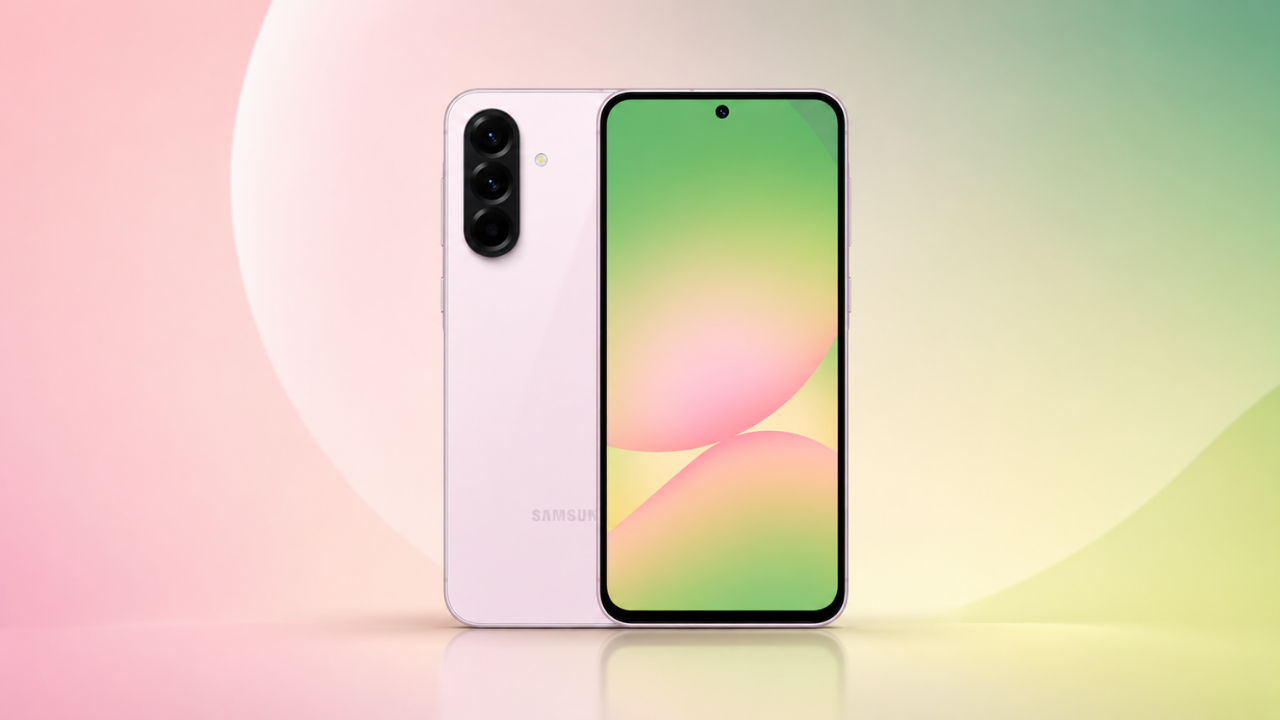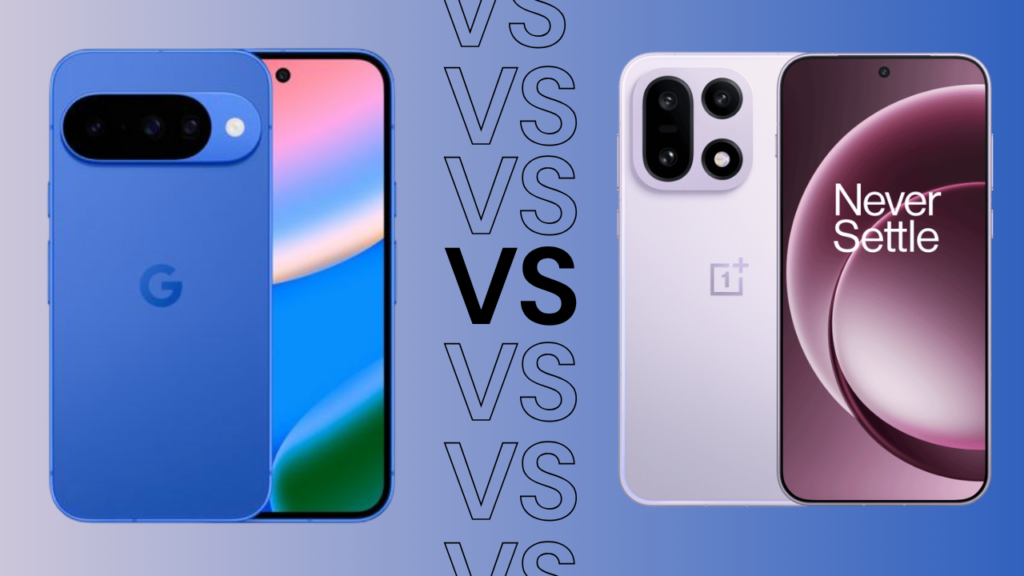
This comparison shouldn’t work on paper. The OnePlus 15 has a bigger battery, faster chip, higher refresh rate, more RAM, and a larger display. The Pixel 10 costs around $600 roughly 60% of what the OnePlus asks. By every traditional measure, this should be a straightforward win for OnePlus. Open and shut case.
Except it isn’t. Not even close.
I spent weeks switching between both phones, same SIM, same apps, same daily routine. And what I found genuinely surprised me. The Pixel 10 vs OnePlus 15 conversation is far messier and more interesting than the spec sheet suggests, and I think most people are approaching it from completely the wrong angle.
The Wrong Way to Frame This
The mistake most people make is setting the OnePlus 15 as the benchmark and then measuring the Pixel against it. When you do that, the Pixel loses immediately. Slower chip, smaller battery, slower charging, no 8K video, no 4K 120fps. Case closed.
But flip it around. The Pixel 10 is actually the standard smartphone experience well-built, well-optimised, reliable for virtually everyone. The OnePlus 15 is what happens when you take that standard and push it to the absolute extreme for a very specific type of user. Two very different products serving two genuinely different needs.
Once I started thinking about it that way, everything made more sense.
Design and Build OnePlus Looks Better, Pixel Fits Better
Pick up the OnePlus 15 first and you immediately feel why people love it. Super thin bezels, a slick camera housing on the back, a matte coating that grips your hand naturally without collecting fingerprints. It looks and feels genuinely upmarket more premium than most flagship phones I’ve handled this year. It also has IP69K water resistance, which goes beyond the standard IP68 protection most flagships offer.
The Pixel 10 is smaller and lighter. That sounds like a consolation prize until you’ve been carrying the OnePlus for a few days and then switch back. The Pixel disappears into your pocket. It fits almost any hand size. It’s easier to reach across the screen one-handed without shuffling your grip. For a phone you’re carrying every single day for years, that difference in size adds up.
Both are built extremely well. Neither feels cheap or fragile. They just prioritise different things. The OnePlus goes for wow factor, Pixel goes for everyday practicality.
Display This One Genuinely Shocked Me
The OnePlus 15 has a bigger, higher resolution screen with a 165Hz refresh rate. On paper it dominates. In practice, I kept reaching for the Pixel when I wanted to look at something properly.
The Pixel 10’s color tuning is exceptional, probably the best calibration I’ve seen on any recent Android phone. Colors are accurate without being dull, whites look clean, and skin tones in photos and videos look natural rather than processed. In maximum manual brightness, the Pixel also delivered a brighter image than the OnePlus in my testing, something I genuinely didn’t expect going in.
The OnePlus pulls ahead specifically in HDR content; its panel hits higher peak brightness in those scenarios. And the 165Hz mode in certain games does look noticeably smooth when it actually kicks in. But that’s a very specific use case for a very specific type of user. For everything else scrolling, reading, watching shows, looking at photos I personally found the Pixel’s display more enjoyable to look at daily.
That said, if you’re a serious mobile gamer who specifically wants that 165Hz experience, the OnePlus is the only option here.
Performance More Power Than Most People Actually Need
The OnePlus 15 runs the Snapdragon 8 Elite Gen 5 with 12GB or 16GB of RAM. Benchmarks are exceptional. In demanding 3D games pushed to their limits, the OnePlus runs everything more smoothly and maintains performance for longer without thermal throttling becoming a problem.
The Pixel 10 uses the Tensor G5 chip. It’s not the fastest processor available but it’s genuinely good enough for the vast majority of things most people do on their phone daily. Gaming including higher-end 3D titles runs to a standard I’m personally satisfied with. Social media, streaming, multitasking, productivity none of it taxes the Pixel. The performance difference only becomes obvious at the very top end of mobile gaming or intensive video workflows.
For about 99% of people reading this, both phones will feel fast. For the 1% who genuinely push their phones to the absolute limit every single day the OnePlus is the clear choice. For everyone else, the Pixel’s performance is more than sufficient.
Battery and Charging OnePlus Wins, But Not as Dramatically as You’d Think
The OnePlus 15 has a 7,300mAh battery with 120W fast charging. That gets you through two full days of use without anxiety. The charging speed is genuinely impressive. Plug in for 30 minutes and you’re back at a level that gets you through the rest of the day comfortably.
The Pixel 10’s battery is significantly smaller. It gets me through a full day every single time but only one full day. Heavy users who are consistently at their phones for eight or nine hours daily might find themselves reaching for a charger in the evening. The charging speed also doesn’t compete with the OnePlus . It’s functional but not fast.
If you travel frequently, forget to charge before bed, or genuinely spend all day on your phone, the OnePlus’s battery is a meaningful advantage. If you’re a typical user who charges overnight, the Pixel’s single-day battery life covers everything you need.
Cameras Natural vs Technical
Both phones made an interesting choice this generation sensor downgrades from their predecessors, which is a strange thing to say about 2026 flagships. But the cameras on both are still very capable, just in different ways.
The Pixel 10 added a five times telephoto camera and a 10.8MP lens that wasn’t on last year’s model. The OnePlus 15 runs a 3.5x zoom at 50MP. I spent a lot of time trying to match focal lengths between them for fair comparisons, which isn’t always straightforward given the different zoom levels.
In most shooting conditions, OnePlus photos look sharper at first glance. Look closely though and you start seeing the artificial sharpening edge enhancement artifacts, processed textures that weren’t in the actual scene. It’s not every photo, and it doesn’t ruin images, but it’s noticeable enough that you start to question whether what you’re seeing is real or processed.
The Pixel’s computational photography pipeline is something else entirely. Photos look natural. Colors are accurate. Details in complex scenes: hair, fabric, foliage look like they actually appeared in front of the camera rather than something an algorithm reconstructed. That quality has been a Pixel signature for years and it continues here. In low light, both phones struggle more than their higher-end siblings, but Google’s processing still extracts cleaner, more usable results in difficult conditions.
For video, OnePlus wins clearly. 8K recording, 4K at 120fps, and OnePlus Log format for professional-grade color grading are features the Pixel 10 simply doesn’t offer. Google hasn’t implemented any of these on the standard Pixel 10, which is a genuine gap for content creators. If video is a priority, the OnePlus is the phone to buy.
For photography, especially in varied real-world conditions, I personally prefer what the Pixel produces. It looks like how I remember the scene rather than how an algorithm decided it should look.
Software Google’s Version of Android Is Still the Best Version
Both phones run Android but they feel meaningfully different in daily use. OnePlus’s software is good, clean, fast, and feature-rich. I have no serious complaints about it.
But Google’s version of Android is something else. AI features are deeper, more integrated, and more useful throughout the system not just in specific apps or specific moments. The overall experience feels more cohesive and considered, particularly in how the AI assists with everyday tasks rather than announcing itself as a feature.
The Pixel 10 also gets two more years of software updates than the OnePlus 15. Over a three or four year ownership period, that’s the difference between your phone staying current through 2030 versus being dropped earlier. For long-term value, the Pixel’s update commitment is one of its strongest arguments.
Price The Conversation That Changes Everything
At times I’ve seen the Pixel 10 for $600 the OnePlus 15 costs significantly more. For that price gap, OnePlus gives you more battery, faster charging, a more powerful chip, a bigger screen, 8K video, and IP69K protection. The Pixel gives you better software, more natural cameras, a superior display calibration, more updates, and a size that works better for more people.
Whether that trade-off makes sense depends entirely on what you actually do with your phone every day.
Final Verdict (Pixel 10 vs OnePlus 15)
The Pixel 10 vs OnePlus 15 comparison lands differently depending on who you are. If you’re a power user with heavy gaming, two-day battery needs, 4K 120fps video, maximum performance at all times the OnePlus 15 is the obvious choice and it genuinely earns every penny.
For everyone else? I’d take the Pixel 10. Better software, more natural cameras, brighter display in real conditions, smaller and easier to carry daily, and $400 less in many cases. The benchmark gap doesn’t translate into a real-world experience gap for most people.
Specs matter. But they matter a lot less than this comparison suggests at first glance.
Discover Also Oppo Find X9 Pro vs Vivo X300 Pro: 100 Days Later, Here’s the Real Verdict

M Adnan Akram is the founder and lead writer at Phoonomo, covering mobile technology with a primary focus on Apple and the broader smartphone industry, alongside emerging developments in AI. He follows product launches, spec leaks, and industry trends closely to keep readers informed with timely updates.
Discover more from Phoonomo
Subscribe to get the latest posts sent to your email.