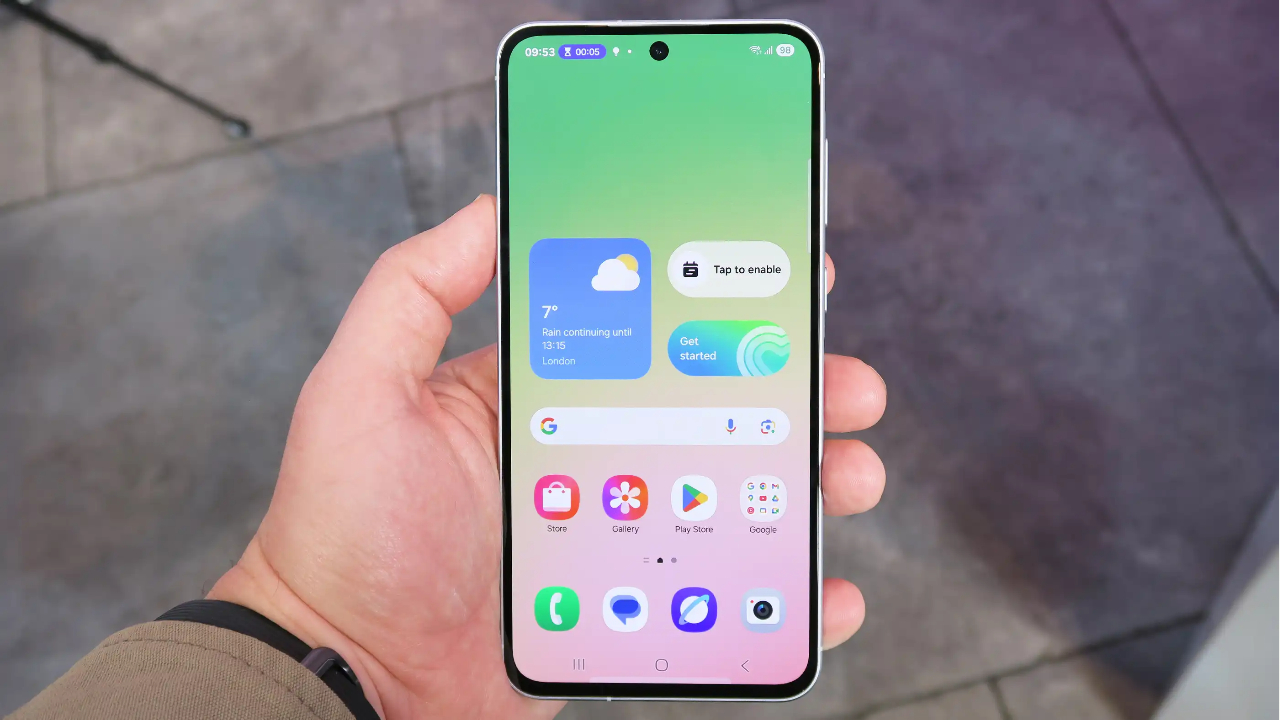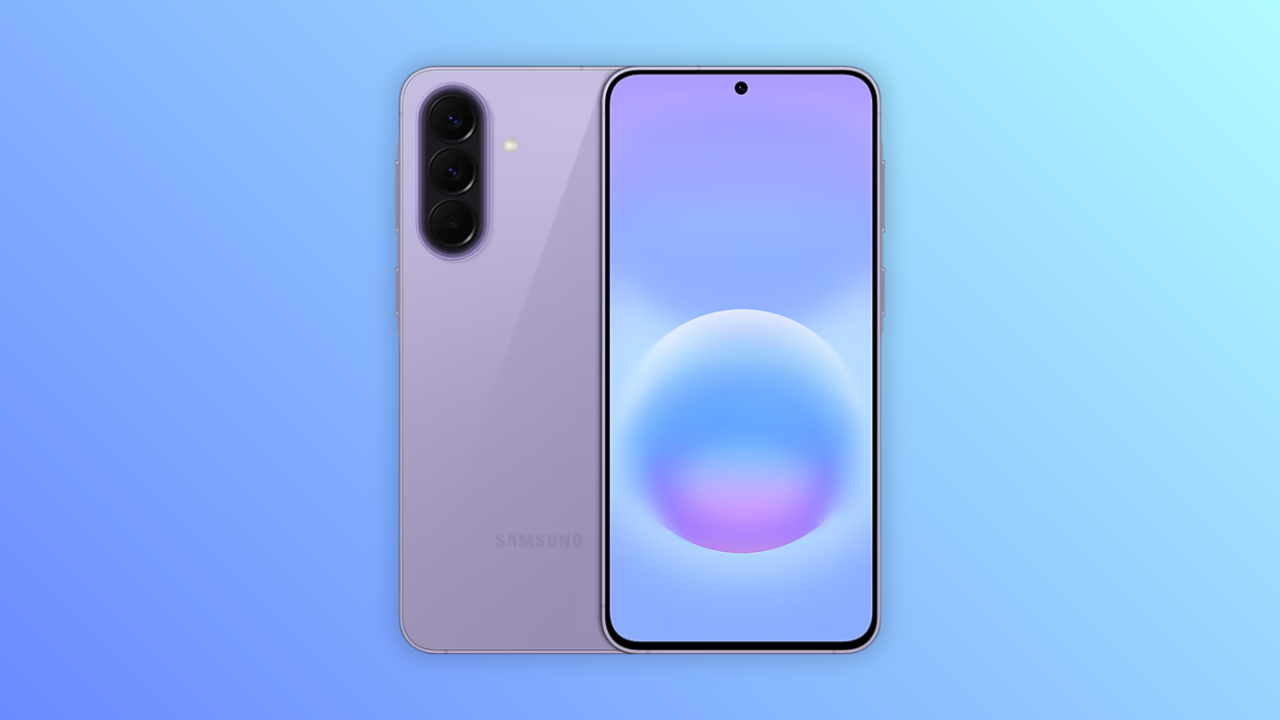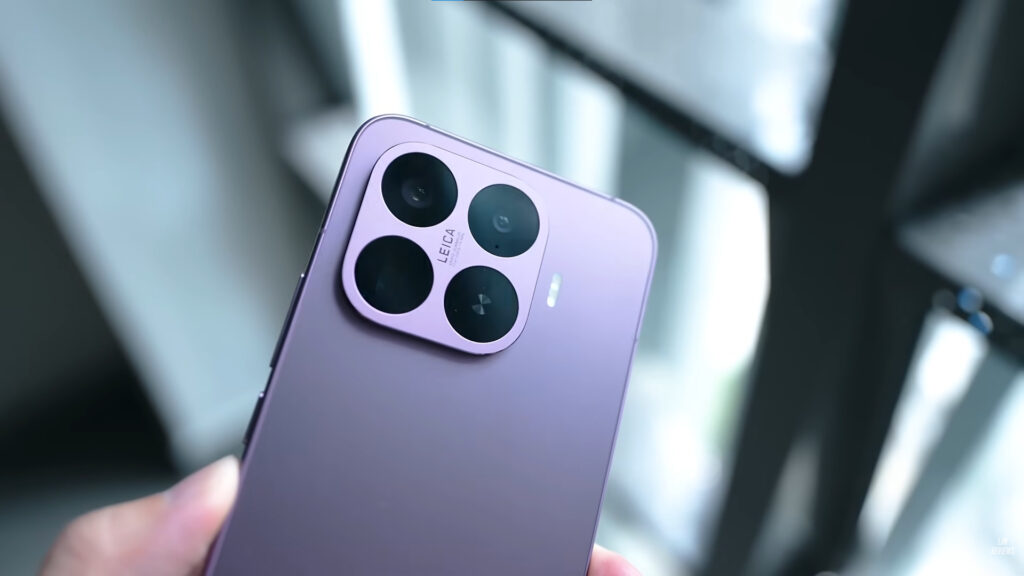
Something unusual happened with the T-series this year. Normally Xiaomi drops its T phones in September, reliable as clockwork, typically priced aggressively enough to embarrass the competition. The Xiaomi 17T Pro arrived four months early and with a price tag that no longer fits the “flagship killer” description it used to wear so comfortably. That changes the conversation significantly. I’ve had my SIM in this thing for a week now, and here’s everything I found: the good, the genuinely impressive, and the bits that still need work.
Design Familiar Territory, Well Executed
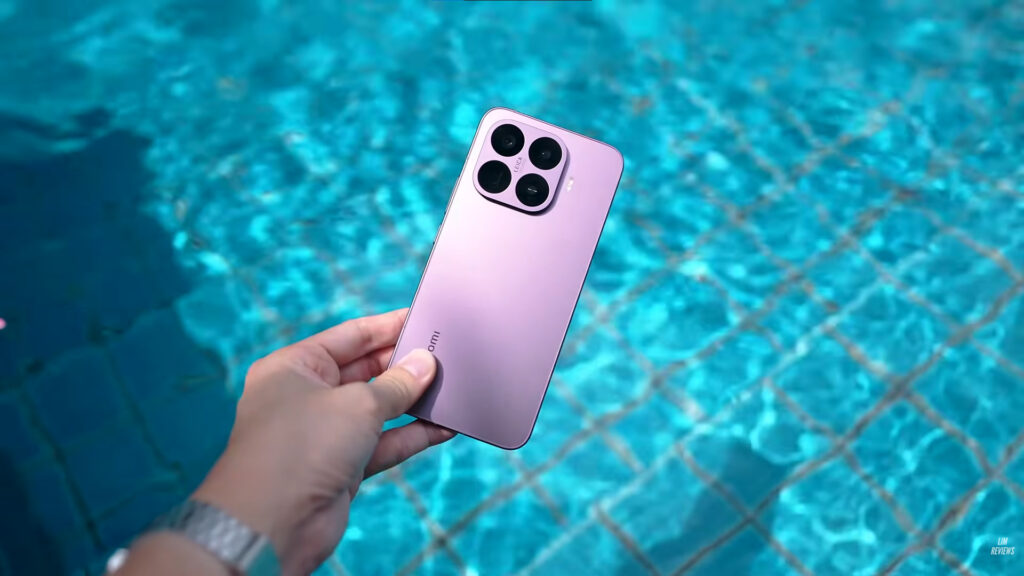
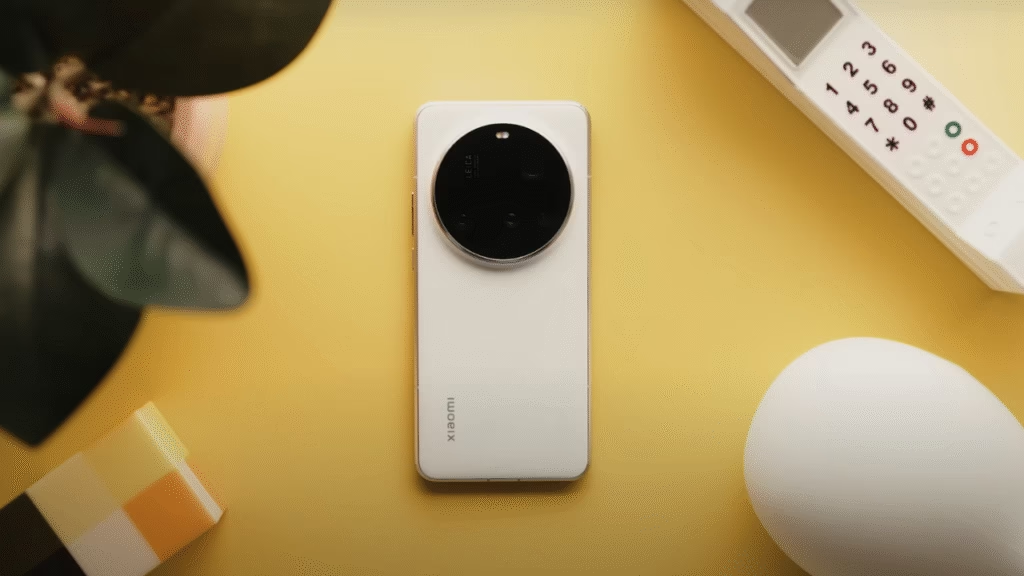
I’ll be upfront: if you put the 17T Pro and last year’s 15T Pro side by side and asked me to identify which was which cold sober, I’d probably hesitate. They’re remarkably similar phones, same 6.83-inch footprint, same 219 grams of premium heft, same general aesthetic approach. Xiaomi hasn’t reinvented anything here.
That said, it looks and feels excellent. The metal frame gives it a near-unibody appearance, the matte glass back is genuinely smudge-resistant. I’ve been handling this thing through some genuinely greasy situations and it still looks clean and the deep blue colorway on my review unit is lovely. Violet and black are also available if that’s more your thing.
The camera bump is significant. It does jut out from the rear considerably, which would bother me more if the smooth back on the rest of the phone wasn’t so slippery. In practice, that camera bump acts as a natural finger shelf for one-handed use. It’s a trade-off that actually works out fine. Gorilla Glass 7i on the front, IP68 water resistance, screen protector pre-applied from the factory. All the basics are covered at a price point where you’d expect nothing less.
Fingerprint scanner is in-display optical rather than the ultrasonic I was hoping for at this tier. The good news is it’s one of the better optical implementations around first-time recognition even with dry or slightly damp hands, no frustrating double-taps required. Face unlock is there as a backup.
Software HyperOS 3 Does Most Things Right, Occasionally Doesn’t
Android 16 runs underneath HyperOS 3, which is Xiaomi’s launcher doing what it usually does, adding features, customization options, and a dedicated gaming mode that I actually find useful, while simultaneously shipping the phone stuffed with apps that have absolutely no business being on a premium device. AliExpress. Amazon. Facebook. LinkedIn. They’re all there, firmly embedded and quietly trying to deposit cookies on your device.
Strip away the bloat and the software experience is genuinely good. The always-on display options are numerous, animations are customizable, and the AI features that Xiaomi has included here, unlike some competitors I could name, mostly work as advertised. The real-time translation is practically useful. The writing assistance tools are functional rather than flashy. But my personal favorite is the AI dynamic wallpapers that upload any photo from your camera roll and the system turns it into an animated video. My three-legged cat getting his morning groom is now my lockscreen. It works brilliantly some of the time and produces slightly weird results other times, but I’d take imperfect and charming over perfect and boring every day.
Occasional HyperOS glitches are real a couple of times. The Google Discover feed simply wasn’t there when I swiped right, just blank space. Animations stutter sometimes. This is a pre-launch review unit so some roughness is expected, but even on released Xiaomi phones I’ve owned, HyperOS has this habit of occasionally misbehaving. It’s not dealbreaking. It is worth knowing going in.
Software support: expect at minimum 4-5 years of OS updates and security patches, which is solid for this tier.
Display Big, Bright, and Excellent
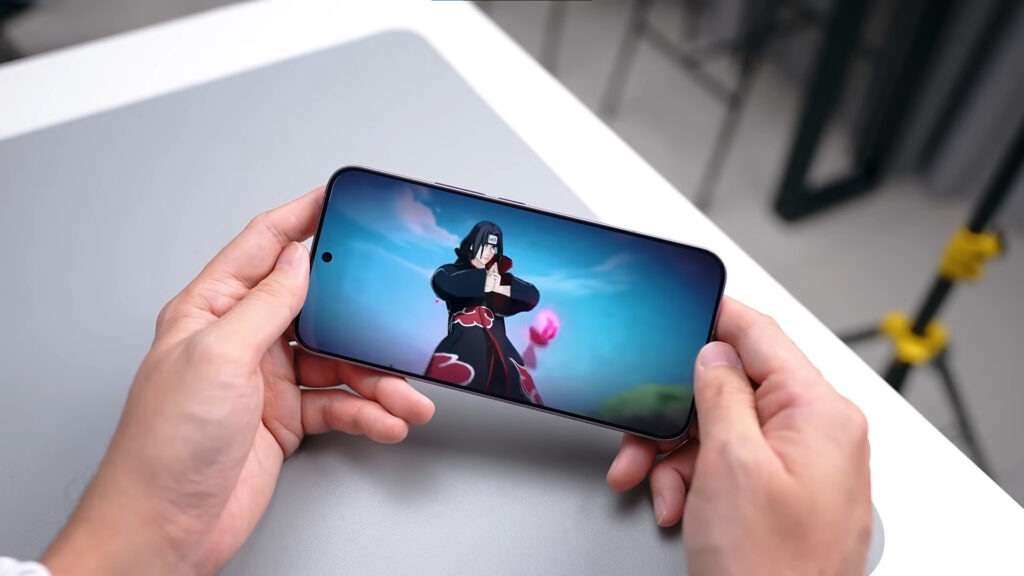
The 6.83-inch AMOLED panel at 2772×1280 resolution looks fantastic. That pixel density keeps things sharp despite the large size, Dolby Vision and HDR10+ streaming support means Netflix and YouTube content looks genuinely premium, and the colors have a slight warmth to them by default that I personally enjoy, though you can correct that in display settings if you want something more neutral.
Outdoor visibility is comfortably bright. Nighttime brightness drops down low enough for comfortable dark-room use with proper eye comfort modes running. The 144Hz gaming support and 120Hz general mode keep everything fluid, and DC dimming support is present for anyone sensitive to OLED flicker at low brightness settings.
One minor gripe: auto-brightness was occasionally a bit slow to react in changing light conditions. The 17T Pro seemed slightly confused on those rare moments when British sunshine appeared unexpectedly. Manual adjustment fixed it immediately, but it happened enough to notice.
The speaker situation is less impressive than the display. Described as stereo technically accurate but the bottom speaker does most of the heavy lifting while the earpiece speaker up top contributes far less. In practice you get loud, punchy audio from the bottom that’s perfectly fine for YouTube or casual media, but you don’t get any real stereo separation or surround effect. Bluetooth 6 streaming was flawless when I used headphones, which is how I’d recommend consuming music anyway.
Performance Dimensity 9500 Does Exactly What You’d Expect
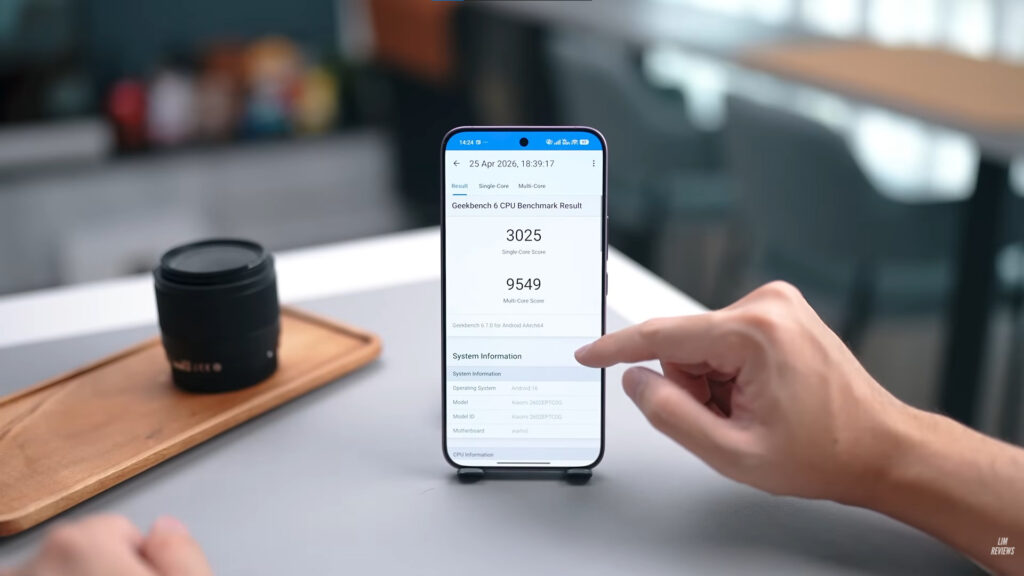
The MediaTek Dimensity 9500 running the show here is the same chip inside the Oppo Find X9 Pro, one of my favorite phones right now, so expectations were already high. Daily performance is smooth, snappy, and responsive when HyperOS isn’t occasionally being HyperOS about things.
Gaming is genuinely impressive. Running Wuthering Waves, a proper open-world game that pushes mobile hardware maxed out visual settings with performance mode enabled inside HyperOS’s gaming mode, I held a stable 60fps throughout extended sessions. The phone stayed cool. No throttling. No dramatic heat spikes. Over an hour of heavy gaming and the back remained comfortable to hold throughout. For mobile gamers, this chip in this thermal package is an excellent combination.
Wi-Fi 7 performs without issues, mobile network connectivity was solid throughout testing, and eSIM support replaces the second physical SIM when activated straightforward and functional.
Battery Excellent Daily Life, Predictable Gaming Drain
The 7,000mAh battery is a proper upgrade over previous T-series generations, and daily battery life reflects it immediately. My standard usage of around 6 hours of screen-on time covering social media, browsing, some streaming, and messaging consistently left me with 30-40% remaining at the end of the day. I haven’t killed this phone in a single day yet during normal use.
Push it with heavy gaming and the picture changes. Wuthering Waves with maxed graphics running continuously drains the battery at a rate that gives roughly 3.5 hours of gameplay from a full charge. That’s not exceptional, but it’s the nature of running demanding games at peak settings: the chip works harder, power consumption rises, battery life shortens. It’s an honest trade-off rather than a flaw.
100W wired charging and 50W wireless charging handle recovery quickly. Fifteen to twenty minutes on a cable gives you more than enough to get through an evening. In a world where some phones still charge at 30W, having 100W as your baseline is something you genuinely appreciate every time you’re in a hurry.
Cameras Leica Excellence With One Consistent Weakness
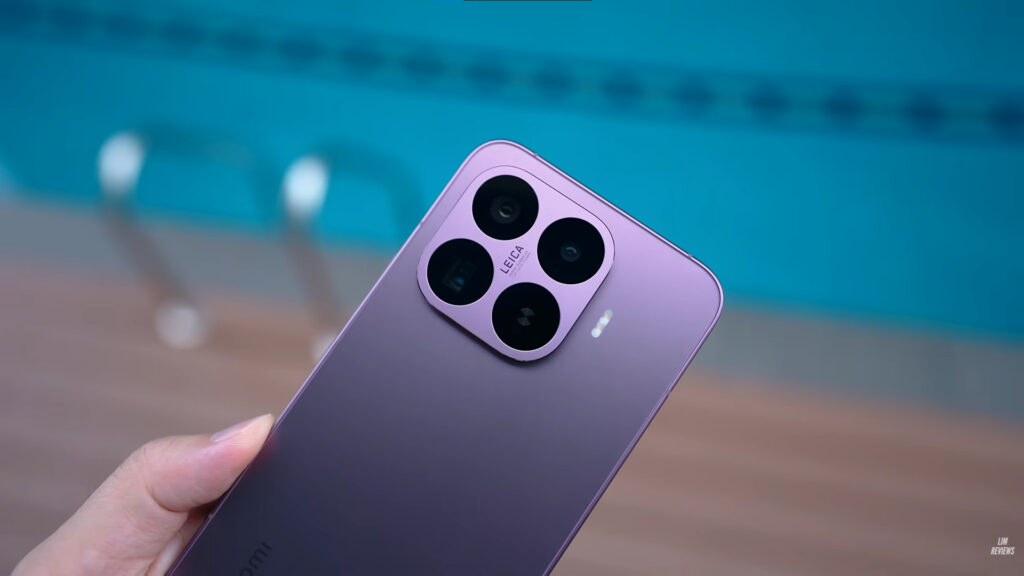
The camera system is where the 17T Pro really makes its premium argument. The main sensor is Sony’s Light Fusion 950, the same sensor Xiaomi used in the flagship Xiaomi 17 which is a meaningful upgrade from what previous T-series phones offered. In Leica Vibrant mode, images are rich, detailed, and punchy even in challenging lighting. Switch to Leica Authentic and you get more restrained, natural color rendering. Both modes produce excellent results. I personally default to Vibrant for everyday shooting.
Night photography is where I was most impressed. Low-light shots retain detail and maintain realistic contrast without the noise and grain that plague phones at this tier. The main sensor’s size advantage shows clearly after dark.
The 5x optical zoom telephoto carries over from the 15T Pro and it remains excellent at capturing impressive detail from meaningful distances with Leica tuning keeping colors consistent across focal lengths. The ultrawide is solid in good light and acceptable in low light.
The one weakness that I have to be honest about: autofocus on moving subjects is inconsistent. Kids, pets, anything that doesn’t hold still for a moment the camera hunts. I turned on motion tracking and motion capture modes and it improved things, but rivals from Oppo and Vivo handle moving subjects more reliably. When focus locks correctly on a portrait, the results are gorgeous. Getting that lock on an unpredictable subject takes patience.
Video capability is strong 8K recording is available, 4K at up to 120fps with 6 minutes of continuous shooting, decent stabilization, and clear audio pickup in calm conditions. The 32MP front camera handles 4K at 30fps no 60fps option on selfie video, which is a minor miss.
The Honest Verdict
The Xiaomi 17T Pro in 2026 is a genuinely capable premium device that arrived unusually early and at a price that makes the value conversation harder than it used to be. Performance is excellent, battery life is strong, Leica cameras are mostly brilliant, and the 100W charging makes daily life convenient.
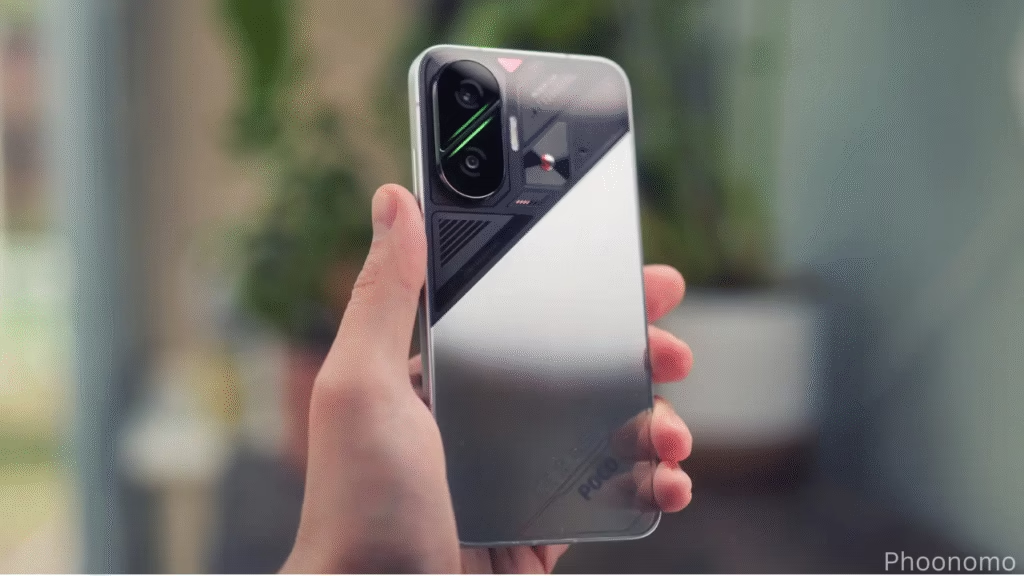
The competition makes this complicated though. At the price Xiaomi is asking, the Poco X8 Pro Max exists at less than half the cost with comparable battery life and display quality. That’s a comparison Xiaomi can’t simply dismiss.
If Leica camera quality, flagship performance, and the Sony Light Fusion 950 sensor matter specifically to you the 17T Pro delivers. If you want the best value performance-per-pound right now explore alternatives before committing.
Discover Also Pixel 10a vs Galaxy A57 I Tested Both and One of Them is Simply the Better Buy

M Adnan Akram is the founder and lead writer at Phoonomo, covering mobile technology with a primary focus on Apple and the broader smartphone industry, alongside emerging developments in AI. He follows product launches, spec leaks, and industry trends closely to keep readers informed with timely updates.
Discover more from Phoonomo
Subscribe to get the latest posts sent to your email.