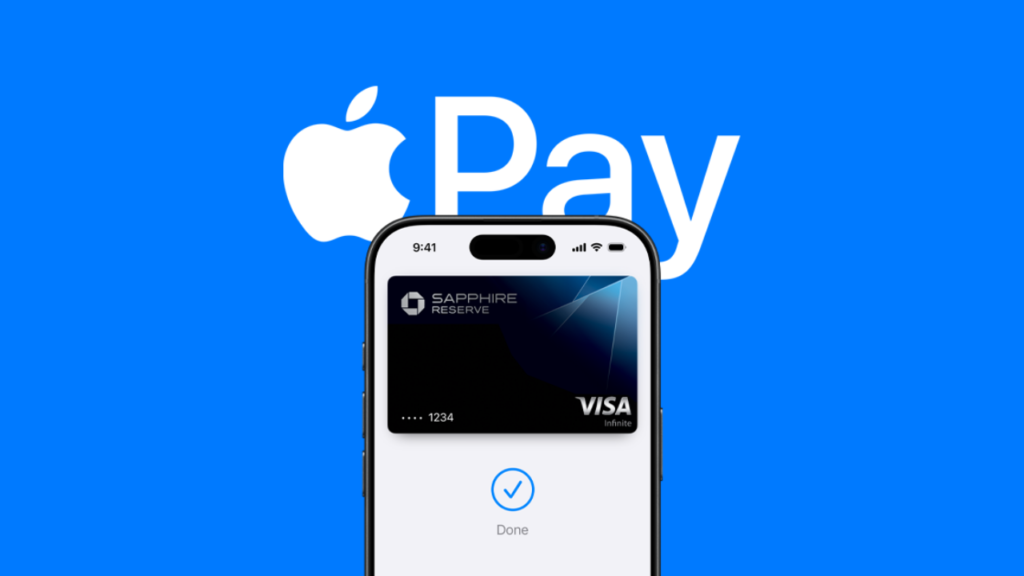
Apple Pay has officially launched in India as of September 30, 2026, more than a decade after it first debuted in the US. Apple’s own list of supported countries now includes India among more than 100 markets. The launch partner is Axis Bank, India’s third-largest private-sector lender, and at launch only eligible Axis Bank Visa and Mastercard credit cards can be added to Apple Wallet RuPay cards, debit cards, and every other Indian bank is left out for now.
| Requirement | Details |
| iPhone | XR or later, iOS 18+ |
| Apple Watch | Series 6 or later, watchOS 11+, paired with iPhone XR or later |
| iPad | Supported |
| Mac | Coming soon |
| Supported cards | Axis Bank Visa & Mastercard credit cards only |
| Not supported | RuPay, debit cards, UPI |
Adding a card works through either the Wallet app or the Axis Bank app directly, and paying in-store follows the same routine Apple Pay uses everywhere else: double-click the side button, authenticate with Face ID, Touch ID, or a passcode, then hold the phone or Watch near a contactless terminal. It also works for in-app and online purchases on supported iPhones and iPads, and existing card rewards carry over normally since Apple Pay is just a different way to use the same card.
Apple says the service will work at millions of merchants across India at launch, naming Apple Store, Blinkit, Chaayos, Croma, Ixigo, Reliance brands, Tata 1mg, and Zomato among early supporters, with payment processors including Cashfree, JusPay, Mswipe, Paytm, PayU, Pine Labs, Razorpay, and Worldline helping bring merchant networks online. Actual coverage at launch will still depend on which specific terminals have been enabled for it, so it won’t necessarily work everywhere contactless payments are normally accepted on day one.
The most important thing to understand is that Apple Pay doesn’t touch UPI at all. India’s dominant payments system moves money directly between bank accounts, while Apple Pay is a card-based, NFC payment method Apple treats them as entirely separate systems rather than one replacing the other. That distinction also explains why this is a much smaller opening than it might look: UPI handles the overwhelming majority of digital payments in India, and Apple Pay is initially only addressing the much narrower card-payment segment, aimed more at India’s growing base of iPhone owners who already carry premium credit cards.
On security, Apple’s usual approach applies here too; the actual card number never gets stored on the device or Apple’s servers, replaced instead by an encrypted Device Account Number kept in the phone’s Secure Element, with transactions authorized through single-use security codes rather than the real card details. A lost or stolen iPhone can have its Apple Pay access suspended through Find My.
Axis Bank being first rather than a bigger player is a notable choice. Reuters reported the bank had around 16.3 million credit cards outstanding as of August 2026, a modest slice of India’s roughly 124 million cards nationwide. Apple has reportedly been in discussions with HDFC Bank and ICICI Bank as well, both larger card issuers than Axis, but neither had finalized an agreement in time for this launch. Apple Pay VP Jennifer Bailey told Moneycontrol that expanding to more banks will depend on each issuer’s own technical readiness and card portfolio, so there’s no set timeline for when Apple adds the next one.
With India now included, Apple says Apple Pay covers more than 90 countries and regions and over 11,000 bank and network partners worldwide, a list that still doesn’t include Pakistan, one of several large markets still waiting on the service. For anyone comparing mobile wallets generally, it’s worth remembering Apple Pay is just one entry in a field that already includes Samsung Pay and Google Pay, each with its own approach to contactless payments and card support.

M Adnan Akram is the founder and lead writer at Phoonomo, covering mobile technology with a primary focus on Apple and the broader smartphone industry, alongside emerging developments in AI. He follows product launches, spec leaks, and industry trends closely to keep readers informed with timely updates.
Discover more from Phoonomo
Subscribe to get the latest posts sent to your email.