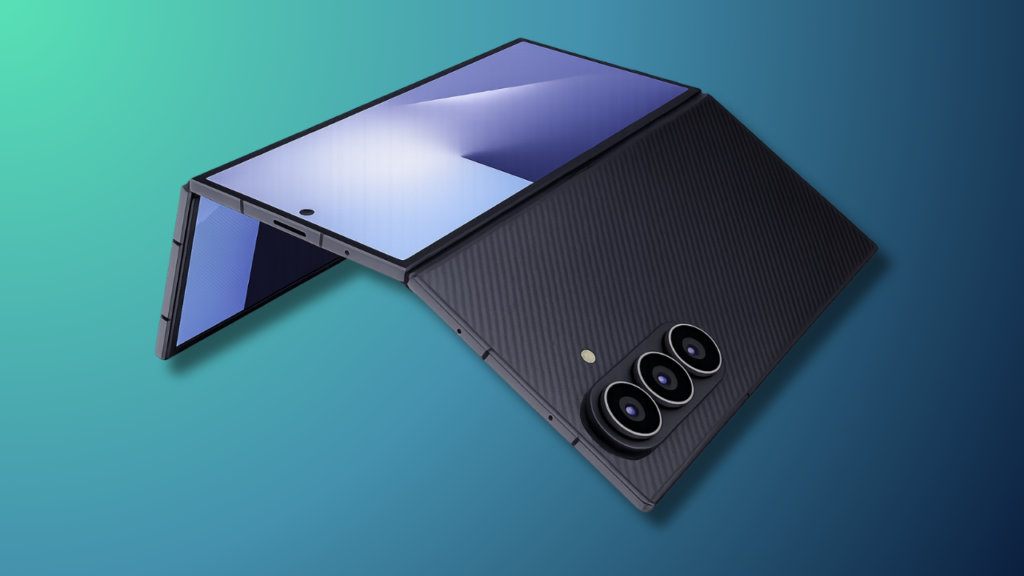
Samsung is working on a Galaxy Z TriFold 2 built around a redesigned hinge, aimed squarely at fixing the two biggest physical complaints about the original: how heavy and thick it is. Multiple reports trace this back to Korean tipster Lanzuk (yeux1122), and the story has been corroborated by Android Authority.
No exact thickness or weight figures have been confirmed. What’s consistently reported is that the TriFold 2 should be lighter, thinner, more durable, and built around a new hinge design one weaker source has floated numbers like 8.9mm and under 300g, but those specific figures aren’t backed by the stronger reporting, so they’re worth treating as speculation rather than a real target.
| Detail | Status |
| TriFold 2 in development | Strong, repeated rumor |
| Thinner than original | Strong, repeated rumor |
| Lighter than original | Strong, repeated rumor |
| New hinge | Strong, repeated rumor |
| Exact thickness/weight | Unknown |
| ~8.9mm / under 300g | Speculative |
| Launch window | 2027, possibly moved earlier |
| Price near $2,899 | Rumored |
It’s easy to see why the weight and thickness matter so much. The original Galaxy Z TriFold weighs 309g and measures 12.9mm folded, next to the Galaxy Z Fold 7 at 215g and 8.9mm a dual-hinge, three-panel design carries real bulk compared to a standard fold, the kind of gap that shows up clearly whenever foldables of different generations get compared side by side. The new hinge is reportedly the centerpiece of fixing that, and SamMobile says it had already completed most of its verification process as of earlier reporting. Android Authority adds an interesting wrinkle: Samsung could eventually bring a scaled-down version of this same hinge technology to future Z Fold and Z Flip models, which would make the TriFold 2 something of a proving ground rather than a one-off engineering exercise.
Durability is the other half of the pitch, not just thinness for its own sake a tri-fold mechanically has two hinges instead of one, so there’s more that can go wrong, and Samsung is reportedly treating “more durable” as just as important as “thinner and lighter.” There’s no strong evidence the display itself is shrinking to get there; current reporting still describes the successor as a large-screen tri-fold with the same 10-inch-class unfolded display as the original, with the weight savings expected to come from the hardware around the screen rather than the panel itself similar in spirit to how book-style foldables have gradually shed weight without shrinking their displays generation over generation.
Timing has shifted recently. Earlier reports pointed to mid-2027, but more recent coverage suggests Samsung may be considering an earlier launch reportedly connected to Apple’s iPhone Duo now being on the market and giving Samsung a reason to not wait as long. Pricing is even less settled, though the latest rumor suggests Samsung wants to hold the line near the original TriFold’s $2,899 starting price rather than pushing it higher despite the hardware changes.

M Adnan Akram is the founder and lead writer at Phoonomo, covering mobile technology with a primary focus on Apple and the broader smartphone industry, alongside emerging developments in AI. He follows product launches, spec leaks, and industry trends closely to keep readers informed with timely updates.
Discover more from Phoonomo
Subscribe to get the latest posts sent to your email.