Silicon-carbon batteries are reshaping Android. Samsung and Apple are still watching from the sidelines.
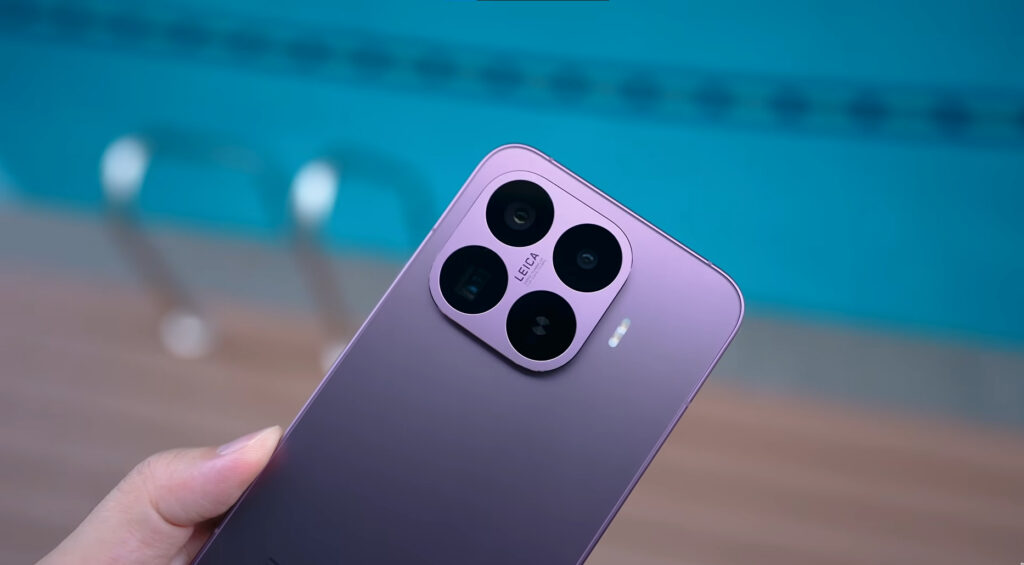
Remember when crossing 5,000mAh felt like a big deal? Chinese Android brands have already moved past that conversation entirely. Honor is shipping 7,100mAh cells. Vivo and iQOO are testing prototypes in the 10,000 to 12,000mAh range. OnePlus is consistently landing in the 6,000 to 7,000mAh territory. And none of these phones look like bricks. That is not magic that is silicon-carbon batteries, and they are quietly becoming the most important hardware shift happening in smartphones right now.
What Actually Changed
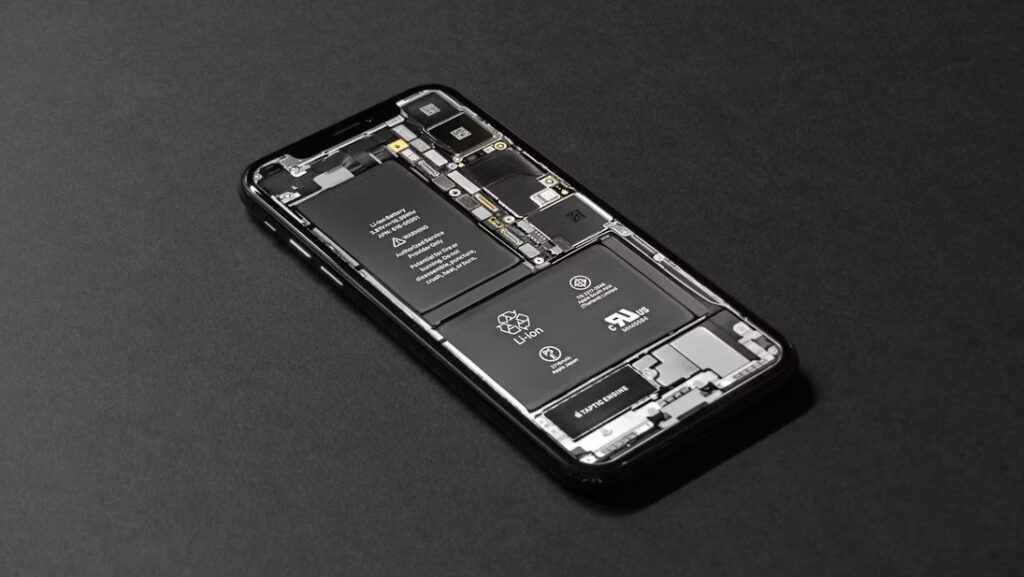
The traditional lithium-ion battery uses graphite in its anode. Works fine. Has worked fine for decades. The problem is graphite has a ceiling. You can only pack so many lithium ions into it before you hit a physical limit. Silicon stores significantly more lithium ions than graphite dramatically more, in fact. Swap graphite for a silicon-carbon composite and you immediately unlock 10 to 30 percent higher energy density in the same physical space.
That single change has enormous downstream effects. You can keep the phone the same thickness and gain hundreds of mAh. Or you can shrink the battery space slightly and use the room for other components. For foldables where internal space is genuinely precious this is not just useful, it is transformative. The Motorola Razr Ultra 2026 is already shipping with silicon-carbon technology inside a clamshell form factor that previous battery chemistry would have struggled to accommodate at that capacity.
The fast charging compatibility is another underrated benefit. Silicon-carbon cells in current Android flagships are paired with 80W, 100W, and 120W charging systems without the thermal issues that made earlier high-capacity batteries feel risky. You are getting more capacity and faster top-up speeds simultaneously which is not a trade-off you were used to making.
Why Chinese Brands Got Here First
By early 2025, over 60 percent of flagship phones in the Chinese market were already running silicon-carbon batteries. That number is staggering when you consider that most Western consumers had barely heard the term. Honor, Xiaomi, OnePlus, Oppo, Vivo, and Motorola all moved aggressively into this technology while Samsung and Apple were still running validation tests.
Part of this comes down to risk tolerance. Chinese brands operate in an intensely competitive domestic market where battery size is a genuine marketing weapon. If your competitor announces 7,000mAh and you are still shipping 5,000mAh, you feel that in sales numbers almost immediately. That commercial pressure accelerates adoption in ways that more cautious markets simply do not experience.
There is also a supply chain advantage. Several key silicon-carbon battery suppliers are based in China, which gives domestic brands earlier and cheaper access to the technology before it scales globally. By the time Samsung or Apple negotiate supply agreements at the volumes they need, Chinese brands have already shipped tens of millions of units and iterated through multiple generations.
The Samsung and Apple Problem
Samsung has officially confirmed it is working on silicon-carbon batteries but has not put them in a Galaxy flagship yet. The reasons given internally reference safety validation, long-term durability testing, and swelling concerns and those are legitimate engineering concerns, not just corporate overcaution. Samsung executives have specifically mentioned the Note 7 battery crisis when discussing why they apply stricter internal testing standards than competitors. That crisis cost the company billions and permanently damaged one product line. Nobody in Samsung’s hardware division is in a hurry to repeat that experience.
Apple has said nothing officially. Analysts expect eventual adoption, probably in an iPhone generation two or three years out, but Apple’s pattern has always been to let others stress-test new battery chemistry at scale before bringing it to the iPhone with a tightly controlled implementation. Whether that patience is wisdom or complacency depends on how forgiving iPhone buyers remain about battery life compared to what Android flagships are now offering.
Here is the honest tension though: the longer Samsung and Apple wait, the wider the real-world battery gap becomes. A Galaxy S26 Ultra ships with a 5,000mAh cell. An Honor Magic8 Pro ships with 7,100mAh. That is not a spec-sheet difference anymore, that is a measurable difference in how many hours you get through a heavy day without reaching for a cable. For buyers who are cross-shopping seriously, that gap is getting harder to dismiss.
The Technical Problem Nobody Talks About Enough
Silicon has one serious flaw that the marketing materials conveniently skip over. When it charges, it expands sometimes dramatically. Pure silicon structures can expand up to 300 percent during a charge cycle. Do that thousands of times and you get mechanical stress, faster degradation, and swelling risk that makes the battery physically change shape inside the phone over time.
The carbon composite element exists specifically to manage this. The carbon matrix surrounding the silicon particles absorbs and distributes the expansion, reducing the structural stress on each charge cycle. It clearly works, given the commercial scale of deployment but how well it works over three, four, five years of real-world use is genuinely still being established. The technology is new enough that long-term multi-year durability data across millions of units simply does not exist yet in the way it does for traditional lithium-ion chemistry.
This is not a reason to panic about silicon-carbon batteries in your next phone. It is a reason to be honest that the technology is still maturing. The brands shipping these cells right now are essentially running the long-term durability study in real time, on consumer devices, at scale. Most of the time in consumer tech that works out fine. Occasionally it produces a Note 7 moment. Samsung is not wrong to be cautious, they are just perhaps being cautious at a pace that is starting to cost them in the market.
Where This Goes Over the Next Two Years
The trajectory is not really in question. Silicon-carbon batteries are becoming the standard for premium Android phones. The only variables are timing and who moves when.
Chinese brands will continue leading through 2026 and into 2027, pushing capacities higher and using battery size as a primary differentiator in a market where specs are scrutinised intensely. Foldables will benefit disproportionately because the combination of limited internal space and user demand for better endurance makes silicon-carbon essentially mandatory for the next generation of book-fold and clamshell devices.
Samsung will likely adopt the technology in a late 2026 or 2027 device once internal validation clears. When they do, expect the marketing to make it sound like Samsung invented it. Apple will follow eventually, probably framed around efficiency rather than raw capacity except “all-day battery life” language rather than mAh numbers, because Apple has always avoided the spec war framing even when they are playing catch-up.
The more interesting question is what happens when 8,000 and 10,000mAh batteries become normal in mainstream flagships. At that point battery life stops being a differentiator and becomes a baseline expectation the same way 120Hz displays went from premium feature to table stakes in about three years. When that happens, the next hardware battle starts somewhere else entirely.
The Takeaway
Silicon-carbon batteries are not coming to Android; they are already here, already mainstream among the brands that move fastest, and already creating a measurable gap between what Chinese flagships offer and what Samsung and Apple are currently shipping. If your next phone is from Honor, OnePlus, or Vivo, you are probably already buying into this technology whether you know it or not. If you are waiting for a Galaxy or iPhone with similar capacity, you are waiting at least another year, possibly two. That is the real state of play right now and it is a wider gap than most people realise.
Discover Also Android Brands May Start Copying Apple’s iPhone Release Strategy

M Adnan Akram is the founder and lead writer at Phoonomo, covering mobile technology with a primary focus on Apple and the broader smartphone industry, alongside emerging developments in AI. He follows product launches, spec leaks, and industry trends closely to keep readers informed with timely updates.
Discover more from Phoonomo
Subscribe to get the latest posts sent to your email.