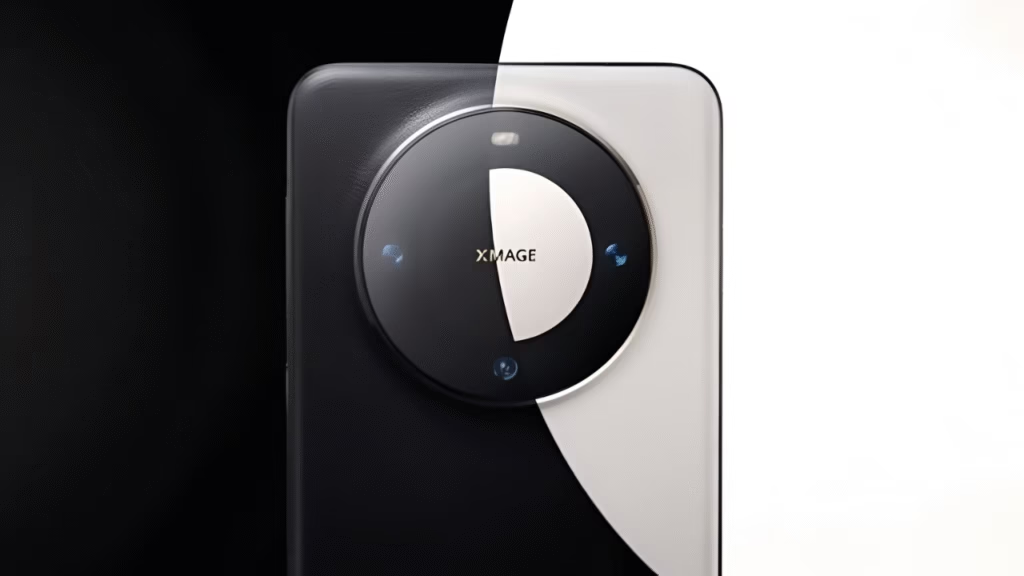
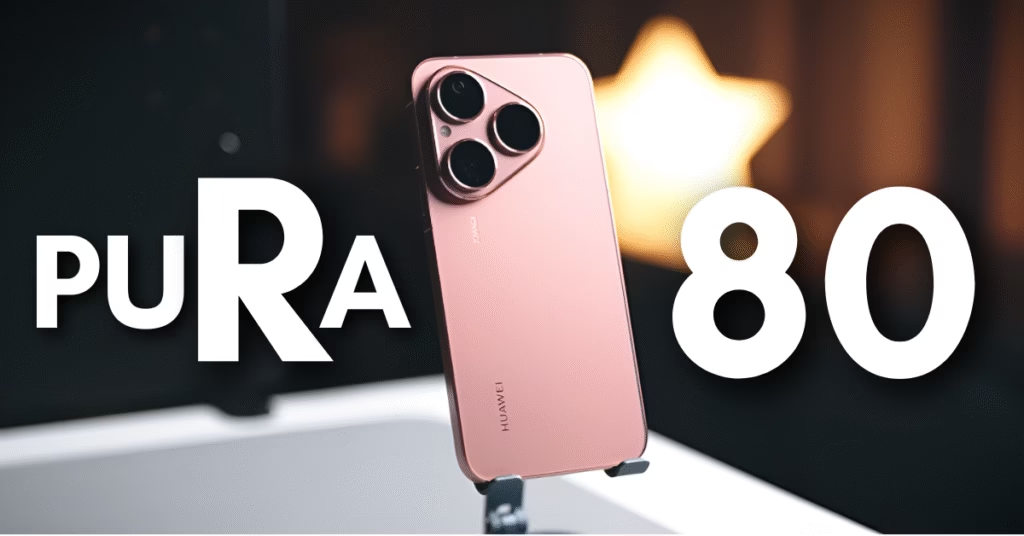
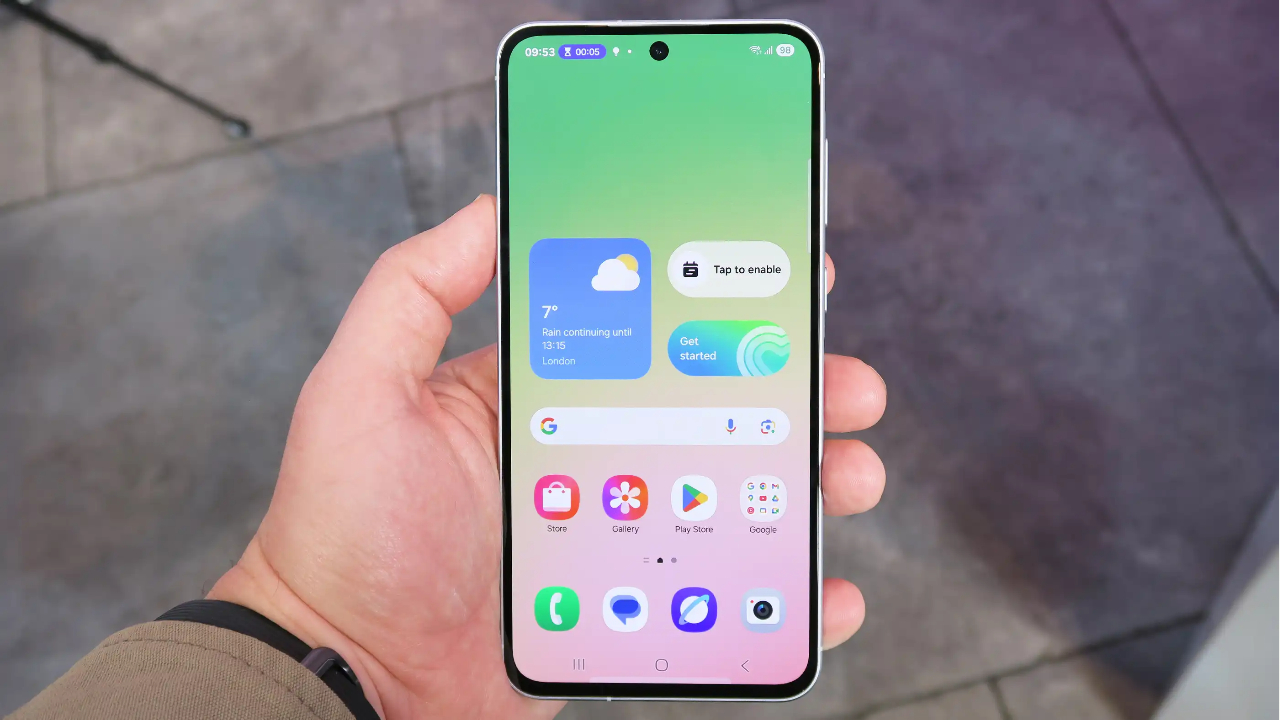
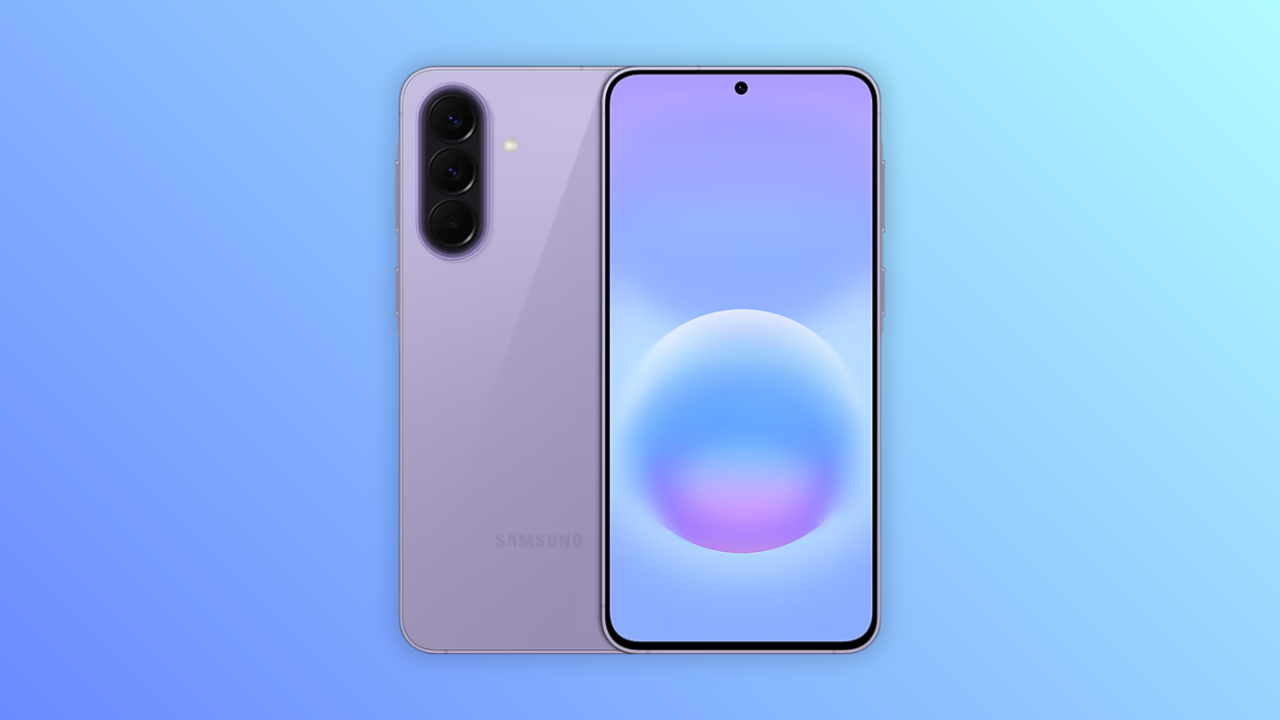
48 hours of calls. 27 hours of video. A display that’s easy on your eyes. Huawei’s new mid-ranger isn’t trying to win on cameras or chipset, it’s making battery life its entire personality.
Huawei nova 15 Max — Full Specifications
Officially announced May 7, 2026 · Global model (EMUI 14.2)
| 📺 Display | |
| Screen size | 6.84 inches |
| Panel type | OLED |
| Resolution | 2756 × 1272 (FHD+) |
| Refresh rate | 120Hz |
| Peak brightness | 4,000 nits |
| PWM dimming | 2160Hz Eye-friendly |
| Color support | 1.07 billion colors · P3 wide color gamut |
| ⚙️ Performance | |
| Chipset | Not officially confirmed Kirin 8000 likely |
| RAM | 8GB |
| Storage | 256GB |
| 📷 Camera | |
| Rear main | 50MP RYYB sensor |
| Rear secondary | 2MP |
| Front camera | 8MP |
| AI features | AI Best Expression · Low-light optimization |
| 🔋 Battery & Charging | |
| Capacity | 8,500mAh Huawei’s largest ever |
| Wired charging | 40W SuperCharge Turbo |
| Wireless charging | Not confirmed |
| Claimed battery life | 48h calls · 27h video · 25h navigation |
| Battery tech | Energy Booster · intelligent power management |
| 📶 Connectivity | |
| Cellular | 4G LTE No 5G |
| Wi-Fi | Wi-Fi 7 |
| Bluetooth | 5.2 |
| NFC | Yes |
| Infrared blaster | Yes |
| 🎨 Design & Build | |
| Thickness | 7.98mm |
| Weight | 232g |
| Frame | Aluminum alloy internal |
| Fingerprint | Side-mounted |
| Speakers | Stereo |
| Special button | Programmable X Button |
| Colors | Blush Gold · Lake Cyan · Golden Black |
| 📱 Software | |
| OS (global) | EMUI 14.2 |
| OS (China) | HarmonyOS |
| Google services | Varies by region Check locally |
Battery life has become one of the biggest battlegrounds in smartphones right now. Vivo just dropped the Y600 Pro with a 10,200mAh cell. Motorola turned heads with the Edge 70 Pro’s 6,500mAh. And now Huawei is joining the conversation with the nova 15 Max carrying an 8,500mAh battery that the company calls the largest it has ever shipped in any of its phones. That’s not a small claim.
At 7.98mm thin and 232g, the nova 15 Max isn’t doing what most big-battery phones do, turning into a thick slab nobody wants to carry. That alone makes it interesting.
Those numbers are manufacturer claims, so real-world usage with mixed screen-on time, 5G connectivity, and active apps will land lower. But even at 70% of those figures, you’re looking at a phone that comfortably clears two days for most people. Huawei also mentions “Energy Booster” intelligent power management tech, which is designed to improve how efficiently the phone draws from the battery, not just how large the battery is.
The 40W charging speed is the one genuine criticism here. Competitors like the Motorola Edge 70 Pro charge at 90W, and Vivo’s Y600 Pro does 80–90W too. At 40W, topping up an 8,500mAh cell is going to take a while except around 2+ hours for a full charge. Huawei’s likely reasoning is heat management and long-term battery health, but for anyone used to faster charging, it will feel like a step back.
Most OLED displays flicker at low brightness levels; it’s how they control how much light they emit. At low PWM frequencies, some people experience eye strain or headaches during extended use. At 2160Hz, the flicker is so fast it becomes essentially invisible, even to sensitive eyes. This is a genuinely useful spec for anyone who reads, scrolls, or watches content on their phone for hours at a time and at 6.84 inches with 4,000 nits of peak brightness, this is clearly a phone designed for long media sessions.
Huawei’s answer to Apple’s Action Button
- Programmable X Button launch flashlight, calculator, camera, quick contacts, or appliance controls
- 50MP RYYB sensor Huawei’s sensor design that captures more light than standard RGB, better low-light results
- Stereo speakers unusual for a mid-range phone at this price tier
- Infrared blaster control TVs, ACs, and other appliances directly from the phone
- Wi-Fi 7 faster, more stable wireless even in congested environments
- Aluminum alloy internal frame structural rigidity without the full premium price
The nova 15 Max runs EMUI 14.2 globally, not HarmonyOS. Google Mobile Services availability varies by region. If you rely on Google apps like Maps, Gmail, or the Play Store, confirm GMS support in your specific market before purchasing. This is a real consideration on Huawei’s global devices.

M Adnan Akram is the founder and lead writer at Phoonomo, covering mobile technology with a primary focus on Apple and the broader smartphone industry, alongside emerging developments in AI. He follows product launches, spec leaks, and industry trends closely to keep readers informed with timely updates.
Discover more from Phoonomo
Subscribe to get the latest posts sent to your email.