If you lined up the OnePlus 15 and the Oppo Find X9 Pro on a table, you’d probably squint for a moment, tilt your head, and still mix them up. They look the same, they feel the same, and if the reviewer had gone ahead with the “tongue test,” who knows maybe they’d taste the same too. They launched within weeks of each other, and on the surface, it’s easy to assume there’s barely anything separating them.
But after spending over a week using each one as a full-time phone, the differences slowly start to show. And if you’re someone comparing them alongside other performance-heavy devices like the redmagic 11 pro, this comparison helps you understand where these two stand.
Design and Build
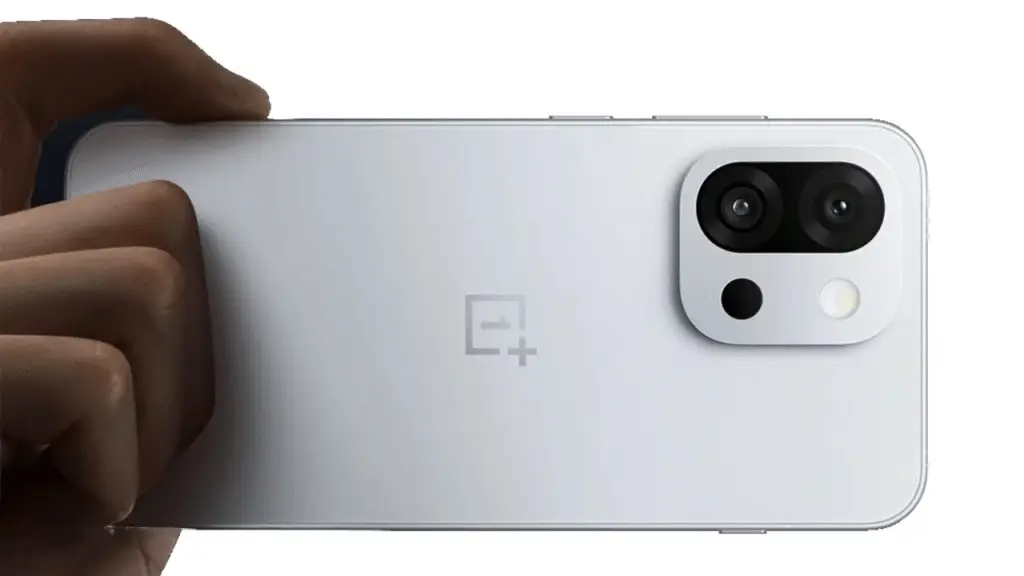
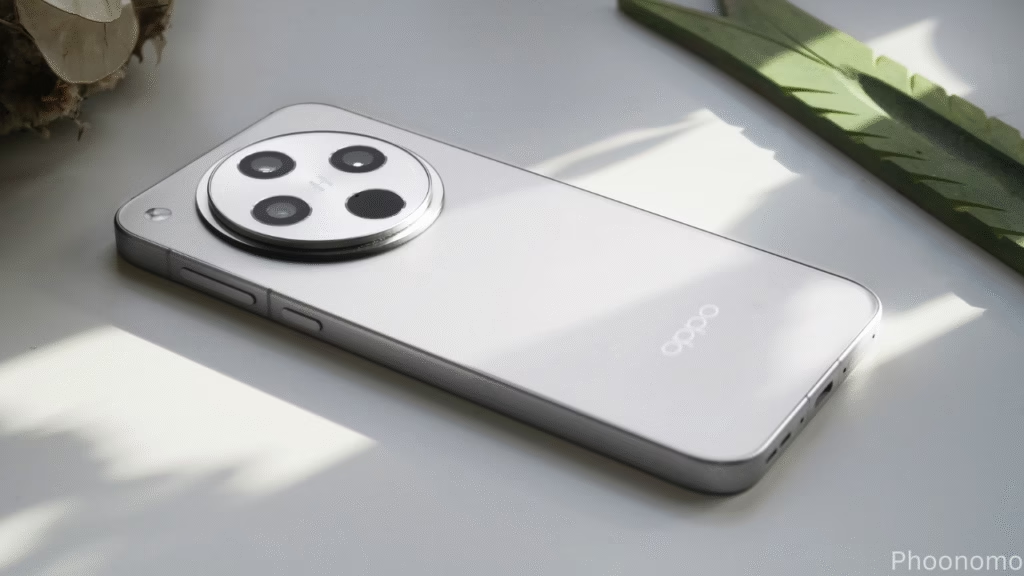
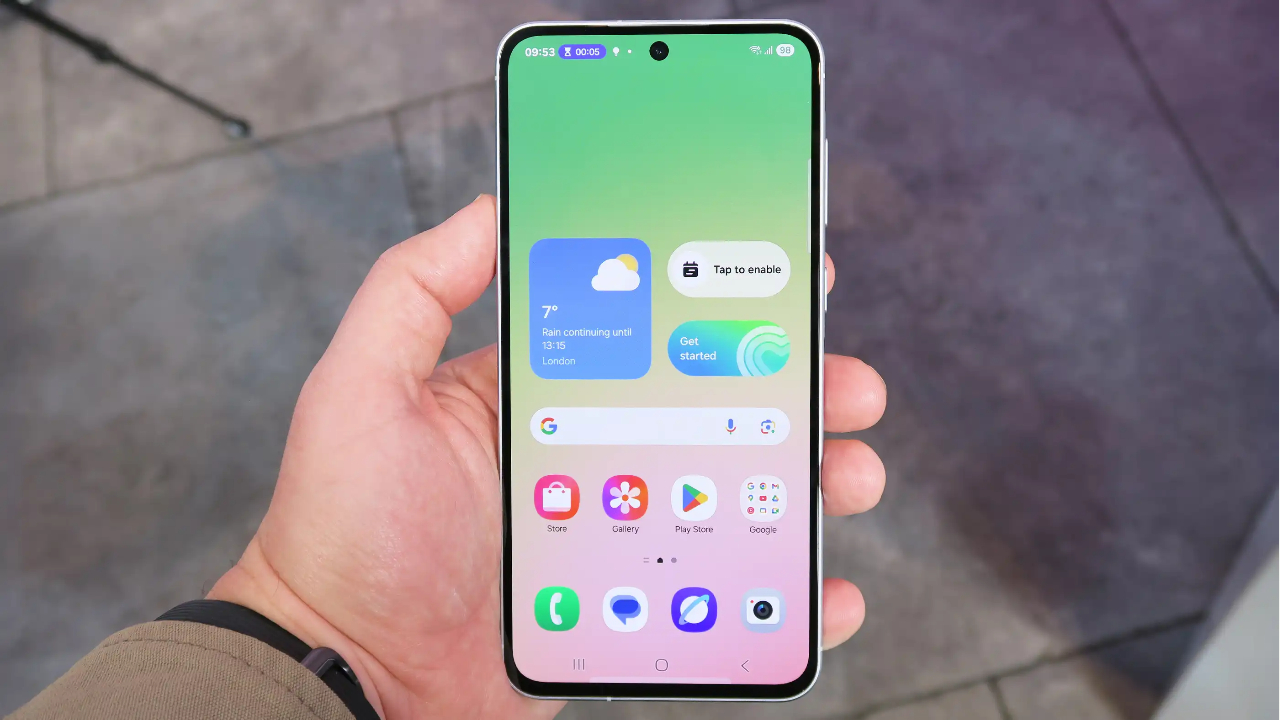
The OnePlus 15 and the Find X9 Pro share a design so similar you’d forgive anyone for grabbing the wrong one in the dark. Both have large 6.78-inch bodies, with slim bezels and that straight-edged, brick-like build that instantly reminds you of recent iPhones. No curves, no soft touches, just solid slabs of metal and glass.
There are a few small design giveaways, though. The Oppo has a dedicated camera button on the right side, something missing on the OnePlus. Both have a shortcut key on the left edge, though one is called the Snap Key and the other the Plus Key. On the back, the camera bumps look similar, but the flash sits differently on each, with the Oppo also sporting a bit of Hasselblad branding.
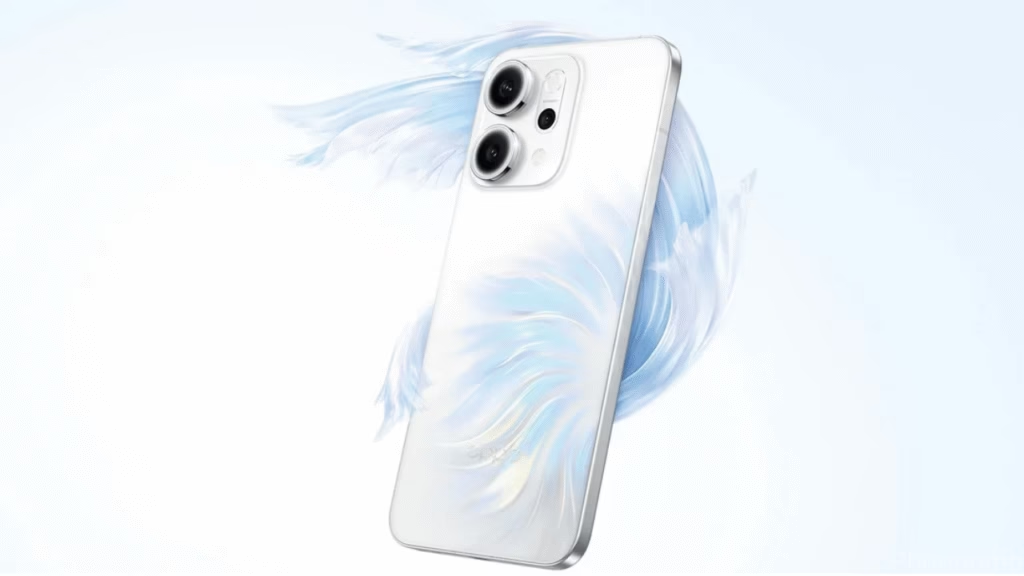
The OnePlus 15 does win points for more interesting finishes. That ultraviolet model in particular looks bold, even if it reminds some people of candy they’d rather forget. The sandstorm version with the fiberglass back is probably the most unique, stronger than titanium, they say, and with a smooth porcelain-like feel. Oppo keeps things simple: white or charcoal, both matte and smudge-resistant.
Both phones deliver strong durability with IP68/69 ratings, but the OnePlus also carries the IP69K tag, meaning it can handle hotter, more pressurized water jets. If that oddly specific detail matters to you, well, OnePlus has your back.
Software Experience
If you boot both phones, you’ll notice something funny. Despite the OnePlus running OxygenOS and the Oppo running ColorOS, they look nearly identical. The layout, the control center, the apps tray everything matches up almost perfectly. You can tell they came from the same parent company.
Even their features are a near copy-paste. Both have deep customization options, motion stabilization, huge gaming modes, and the MindSpace tool that can scan screenshots and pull out the important bits automatically. Thanks to a recent update, Oppo now works with Gemini for smarter searching through that saved content.
Both also offer reliable face unlock and excellent ultrasonic fingerprint sensors fast, accurate, and unfazed by oil, dryness, sweat, or whatever your fingers have been through during a long day.
Storage options differ slightly. The Oppo Find X9 Pro only comes in a 512GB model, while the OnePlus gives you a choice between 256GB and 512GB.
Display and Audio
When it comes to the screen, you’re looking at matching specs again: a 6.78-inch 1.5K OLED panel. Brightness is excellent on both, even under harsh outdoor sunlight. They go dim enough for late-night scrolling without burning your eyes. Both support HDR10 and Dolby Vision.
Where the OnePlus pulls ahead is the refresh rate. The Find X9 Pro sticks to 120Hz, while the OnePlus 15 pushes it up to 165Hz. Not everyone can see the difference most people won’t but hardcore gamers or anyone used to smoother motion (like users comparing it to fast-refresh devices such as the redmagic 11 pro) may appreciate it. Touch response is also dramatically higher on the OnePlus.
Audio is equally strong on both phones, offering loud and clear stereo speakers and smooth Bluetooth performance.
Performance and Gaming
The biggest internal difference is the chipset. Oppo uses the MediaTek Dimensity 9500, while OnePlus sticks to Qualcomm’s Snapdragon Gen 5. In everyday use, both are insanely fast. Apps launch instantly, heavy multitasking is smooth, and animations glide across the screen.
For gaming, both perform excellently. They stay cool even during long sessions thanks to large vapor chambers and dedicated cooling systems. The OnePlus has a slight edge again because of the higher refresh rate and that wild 3200Hz touch response. If your reflexes are sharp and you play competitive shooters, that might matter.
The Find X9 Pro, however, never feels behind or sluggish. For most people, you’d struggle to tell the difference.
Battery and Charging
Battery life is one area where these phones crush most competitors, even big performance phones like the redmagic 11 pro. The Find X9 Pro houses a 7500mAh battery, while the OnePlus 15 has a 7300mAh one. Both last ages double-digit screen-on times, full weekends on one charge if you’re not heavy on gaming.
In a controlled battery drain test, both lasted more than a full day of non-stop video playback. The Oppo lasted a bit longer, but the difference wasn’t massive.
Charging is where OnePlus pulls ahead again. It supports 120W wired charging, getting the phone from empty to full in about 40 minutes. The Oppo caps at 80W, taking a bit over an hour. Both have 50W wireless charging, which is still faster than what many flagships offer today.
Camera Performance
Here’s where things finally separate more clearly.
The Oppo Find X9 Pro uses a larger Sony LYT828 sensor for its main shooter, while the OnePlus 15 relies on a smaller Sony IMX906. In bright daylight, both produce similar results natural colors, detailed textures, and good dynamic range.
But once the lighting dips, Oppo’s advantage becomes clearer. In softer environments, evenings, or indoor scenes, the Oppo pulls in more depth, contrast, and clarity. Shots look livelier and less flat compared to the OnePlus.
Telephoto performance is another big win for Oppo. It uses a 200MP sensor, compared to OnePlus’s basic 50MP shooter. At higher zoom levels, the Oppo retains more detail and richer colors. It can handle HDR and low light better, too. And with the optional Hasselblad teleconverter, you can get surprisingly good stage-show-level zoom though attaching it isn’t the most convenient thing in the world.
Ultra-wide cameras are similar between the two, producing almost the same results. Selfies are sharper on the Oppo thanks to its 50MP front sensor, compared to OnePlus’s 32MP one.
For video, the OnePlus offers up to 8K recording, though most people won’t use it. Both phones do well at 4K, handling motion and stabilization smoothly. Again, Oppo pulls ahead in low light thanks to its larger sensors.
Final Verdict
After using both phones day-to-day, the conclusion becomes pretty clear. If cameras matter most to you, especially evening shots, ambient lighting, or zoom photography, the Oppo Find X9 Pro is the stronger overall choice. It consistently delivers better optical performance, smoother low-light results, and richer depth.
If you’re more into gaming, smooth visuals, and fast response times, then the OnePlus 15’s faster refresh rate and touch sampling will appeal to you, especially if you’re the type who pays attention to things like frame timing or compares phones to gaming-focused models like the redmagic 11 pro.
Outside of those differences, the two phones share nearly everything else: big bright screens, long battery life, fast charging, smooth software, and heavy performance.
Both are excellent flagships, but for most people, the Oppo Find X9 Pro stands out as the more polished all-rounder, especially in real-world photography where its strengths make the biggest difference.
Discover Also OnePlus Ace 6T Debuts With Snapdragon 8 Gen 5
FAQs (Oneplus 15 vs Oppo Find X9 Pro)
When will the Samsung S26 Ultra launch?
Leaks suggest a February launch, with sales expected in late February or early March.
Is Samsung releasing an S26 Edge?
No, the S26 Edge has been cancelled due to low demand for very thin phones.
What are the major design changes in the S26 Ultra?
A new Z Fold 7–style camera module, a slimmer 7.9mm build, lighter 214g weight, and magnetic C2 charging.
Will the S26 Ultra have new colors?
Rumors of an Orange variant are fake and AI-generated, according to reports.
What display improvements are expected?
It will feature the M14 OLED panel, stronger anti-reflective coating, and possible AI privacy tech (Flex Magic Pixel).
What processor will the S26 Ultra use?
Mostly Snapdragon 8 Elite Zen 5, though some regions may get Exynos 2600.
How much RAM will it have?
Base model: 12GB RAM.
China-exclusive model: 16GB RAM with faster speeds (10.7 Gbps).
Are there camera upgrades?
Yes, a larger sensor for the 3x telephoto lens and improved image processing, while keeping the 200MP + 50MP + 50MP + 12MP setup.

M Adnan Akram is the founder and lead writer at Phoonomo, covering mobile technology with a primary focus on Apple and the broader smartphone industry, alongside emerging developments in AI. He follows product launches, spec leaks, and industry trends closely to keep readers informed with timely updates.
Discover more from Phoonomo
Subscribe to get the latest posts sent to your email.