When the iPhone 13 mini arrived back in 2021, it wasn’t advertised as a big revolution. It was more like a polished version of the 12 series, smaller, sharper, and built for people who loved compact phones. Now, four years later, things have changed a lot in the smartphone world. Screens have gotten bigger, features heavier, and expectations much higher. So the question is simple: does this compact device still make sense in 2025, and is its hardware still good enough for daily use?
In this long-term look, we’ll go through the design, performance on the latest iOS 26, battery life, camera quality, and whether the device still offers good value. And since many people still search for iphone 13 mini specs, we’ll naturally cover those details as we move through the review.
A Quick Look Back at What Made It Special
To understand why this phone still survives in late 2025, it’s worth remembering how strong the base was. Apple used the A15 Bionic chip, the same chip that powered the iPhone 13 Pro models and it was far ahead of most competitors in its class. That single component is a huge reason this phone aged better than many expected.
Apple also reduced the notch size, made the display brighter outdoors, and improved photo quality with a larger sensor. The addition of sensor-shift stabilization, originally from the 12 Pro Max, helped bring steadier shots in almost any lighting condition. Cinematic Mode also made its debut here, giving videos a shallow-depth-of-field look that hinted at Apple’s bigger video ambitions.
None of these upgrades felt flashy back then, but together they created a phone that has aged surprisingly well.
Design
Picking up the iPhone 13 mini today doesn’t feel like using a four-year-old device. The flat aluminum sides look just as clean as Apple’s newer models, and the small footprint remains refreshing. In fact, its size is now somewhat rare. Most phones have moved to larger dimensions, making this compact design unique.
Using the phone one-handed is easy and comfortable, something almost no mainstream model today can offer. Even slipping it into a pocket feels different, lighter, easier, and less noticeable.
Display
The 5.4-inch Super Retina XDR OLED panel still looks excellent. HDR content pops with deep blacks and bright highlights, and outdoor visibility holds up extremely well, thanks to those higher brightness levels Apple added in 2021.
But the major limitation is still the same: it’s a 60Hz display.
In a world where mid-range phones now offer 120Hz, the difference is obvious. Scrolling, animations, and general movement feel less fluid than newer iPhones. It isn’t unusable far from it but if you’re coming from a high-refresh screen, you’ll notice the change immediately.
Performance
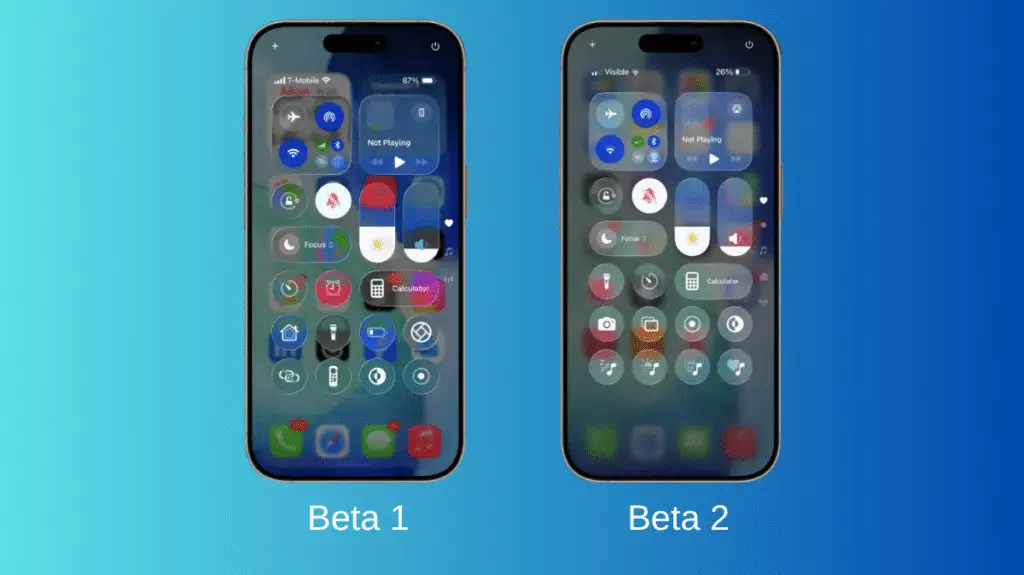
Running the latest iOS 26, the phone feels more modern than its age suggests. Apple’s newer visual changes and fluid animations refresh the experience in a way older iOS versions simply didn’t.
Everyday tasks like opening apps, browsing, messaging, and social media feel responsive. The A15 chip still scores strongly in benchmarks and shows no real struggle with normal use.
However, the 4GB RAM is the biggest limitation today.
Apps reload more often, especially if you switch between multiple things quickly. You might be reading something in Safari, jump to Music or X, open photos, come back and see a refresh. It’s fast, but noticeable. For light to moderate use, it’s fine. But heavy multitaskers will feel the squeeze daily.
When it comes to gaming, the phone can still handle demanding titles, but heat buildup is more noticeable during longer sessions.
Battery
Battery health on older units varies a lot. The model used for this review is at 92%, which is better than average for its age, but the reality for most long-term users is different.
The mini version has always struggled with battery life. Even today, heavy users can expect to recharge in the afternoon. The regular iPhone 13 fares much better, often lasting a full day with moderate use.
If your unit has dropped to the low 80s or 70s in battery health which is common by now you’ll definitely feel the decline. A battery replacement becomes an important consideration for anyone planning to keep it long-term.
Camera
In good lighting, this phone still takes excellent photos. Colors look balanced, skin tones stay natural, and Apple’s Smart HDR continues to deliver strong results. Video performance is even more impressive; the stability and clarity of 4K footage keeps the phone relevant even today.
But time has caught up.
Newer iPhones with their 48MP sensors offer more detail and sharper low-light performance. When zooming in or cropping photos, the limitations of the 12MP sensor become clear. The iPhone 13 mini holds up well, but it’s no longer at the top of the camera game.
Apple Intelligence Isn’t Supported But It’s Not a Dealbreaker
This device doesn’t support Apple’s new AI system, Apple Intelligence. The A15 lacks the necessary hardware. But right now, that isn’t as big of a problem as it might seem. The new AI features are still early, and alternatives like ChatGPT or Gemini already do the same jobs often better through their apps.
You lose some deep system integration, but not the core functionality.
The Real Downsides in 2025
Here’s what matters most if you’re considering buying or keeping this phone now:
- The 60Hz screen feels dated
- 4GB RAM causes frequent app reloads
- Battery life (especially on the mini) is limited
- Still uses Lightning, not USB-C
- No Apple Intelligence support
None of these make the phone unusable, but they do affect long-term viability.
Should You Buy an iPhone 13 Mini Today?
If you find one in good condition with strong battery health and at a good price, it still offers solid value. The software support will continue for a few more years, and the performance is steady enough to handle modern tasks.
For people who want small phones, it might even be the best compact option available.
Should You Upgrade If You Already Own One?
There’s no need to rush. The phone still performs well enough for everyday use. But if you’re feeling ready for a change, the smarter upgrade is the upcoming iPhone 17. It fixes every major weakness of the 13 series 120Hz display, better cameras, bigger sensors, more storage, and a new design.
Jumping to the iPhone 15 or 16 doesn’t offer the same meaningful improvement.
Final Thoughts
Even after four years, this phone represents something rare: a small device that didn’t compromise on power. In 2025, the industry has moved away from compact phones, which makes the 13 mini even more special. It still works well as a secondary phone and remains surprisingly capable for everyday use. And its size, light, compact, pocket-friendly is something Apple hasn’t recreated since.
For many people, the iPhone 13 mini still has a place. Maybe not as the most powerful or future-proof choice, but as a reminder that great tech doesn’t always need to be big.

M Adnan Akram is the founder and lead writer at Phoonomo, covering mobile technology with a primary focus on Apple and the broader smartphone industry, alongside emerging developments in AI. He follows product launches, spec leaks, and industry trends closely to keep readers informed with timely updates.
Discover more from Phoonomo
Subscribe to get the latest posts sent to your email.