Okay, We have the exclusive Xiaomi 17 Ultra Leica Edition. On one hand, you get devices like Xiaomi 17 Pro, Xiaomi 17 Pro Max, which by name looks like a very close ripoff of the iPhone. But on the other hand, they just make this. Honestly, it looks like a pocket camera rather than a smartphone where older flagship companies like Apple, Samsung and Google are repeating the same flagship formula again and again. Same flat looks, same camera sensors, slightly different colors year on year, zero risks, zero experiment.
But on the other hand, we see newer flagships experimenting full on with hardware and camera. And this, I believe, is the peak of this experiment. Xiaomi 17 Ultra Peak smartphone camera. Now, how good is the Xiaomi 17 Ultra? What’s new? And what price? We’ll get to all of that.
Unboxing Experience
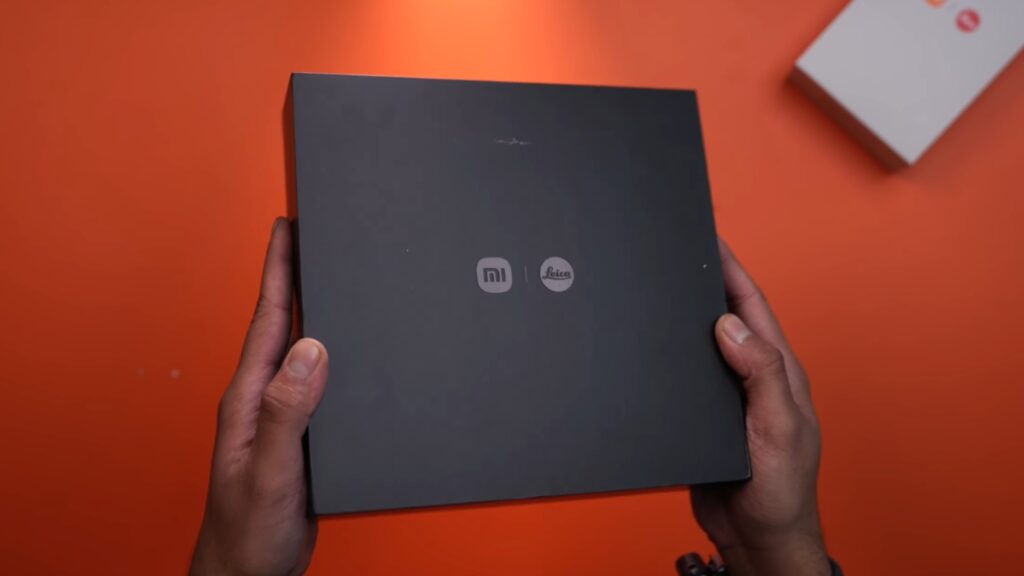
Moving on, there are very few phones that keep you excited until they arrive. Like checking your phone regularly for delivery, opening the door, and when they do arrive, o the box. Now, it is packed with the usual stuff. Charger, paperwork, cable.
Now, with a Leica edition, you get a bunch of new stuff. There’s a case with a rotatable ring, a lanyard, and you also get a lens cap with the classic font Leica written on it. Like, it’s full on camera style. Although the cap only fits when you have the case on.
Variants
Now, Xiaomi for the first time has launched two versions of the Xiaomi 17 Ultra. Xiaomi 17 Ultra Normal and the Xiaomi 17 Ultra Leica Edition. Now, 99% of the things are the same on both the models. I’ll tell you the differences.
Design & Build Quality
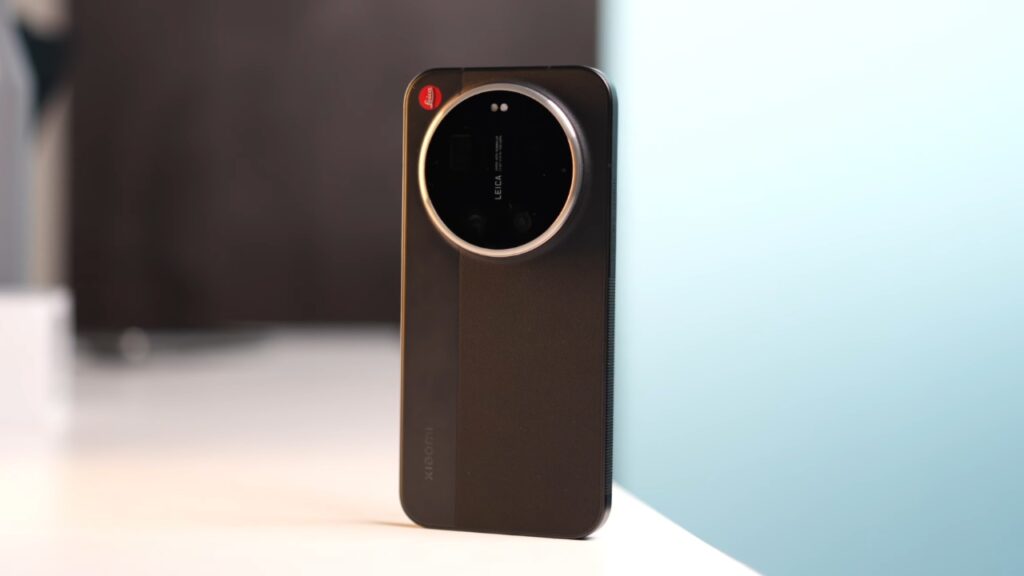
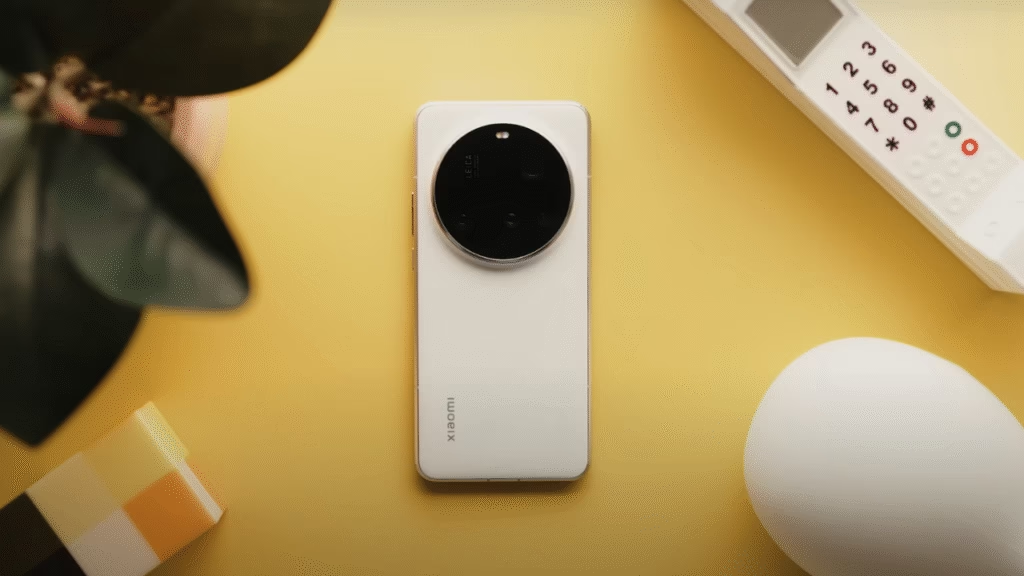
And before we get to this camera part, the phone has three upgrades this year. Starting with the design, we have already said this before, but there are phones that can make calls and have good cameras. And then there are cameras that just happen to make phone calls. The Xiaomi 17 Ultra belongs to this second category.
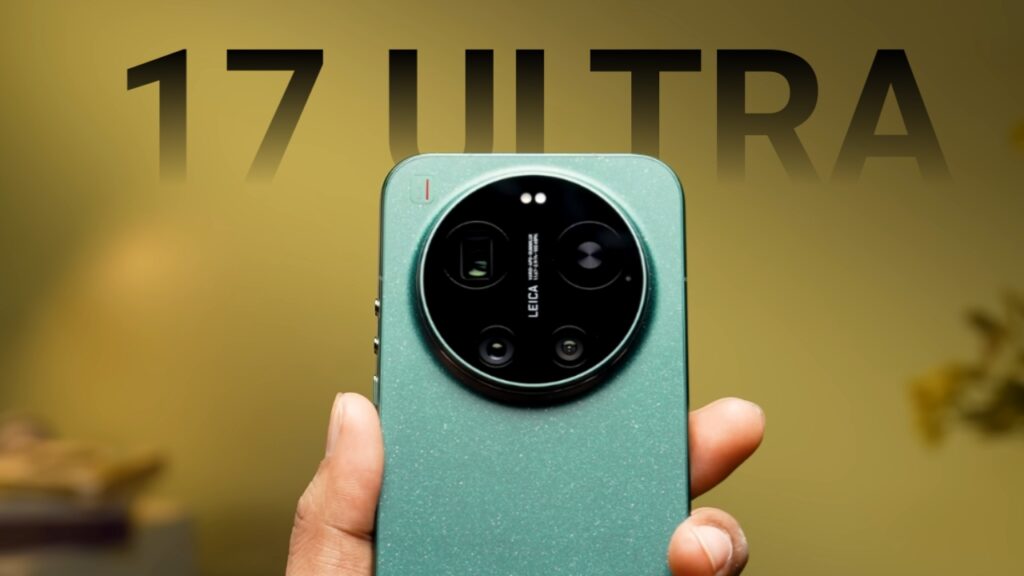
Like it has a huge camera module. It’s so big that it covers almost half of the back of the phone. And the overall look is very similar to a classic Leica camera. You even get this iconic Leica dot. Just like the Leica cameras, it has a dual tone leather and glass finish.
And unlike last year’s Xiaomi 15 Ultra, the Xiaomi 17 Ultra is completely flat from front and back. Unlike you and me, companies are hating on curves.
Now, this Leica edition has a slightly different frame. It is made up of metal, but you get ridges on the side. Like, usually you see ridges on lenses and cameras. They help in better grip. Also, the volume buttons are now circular just like you get on cameras.
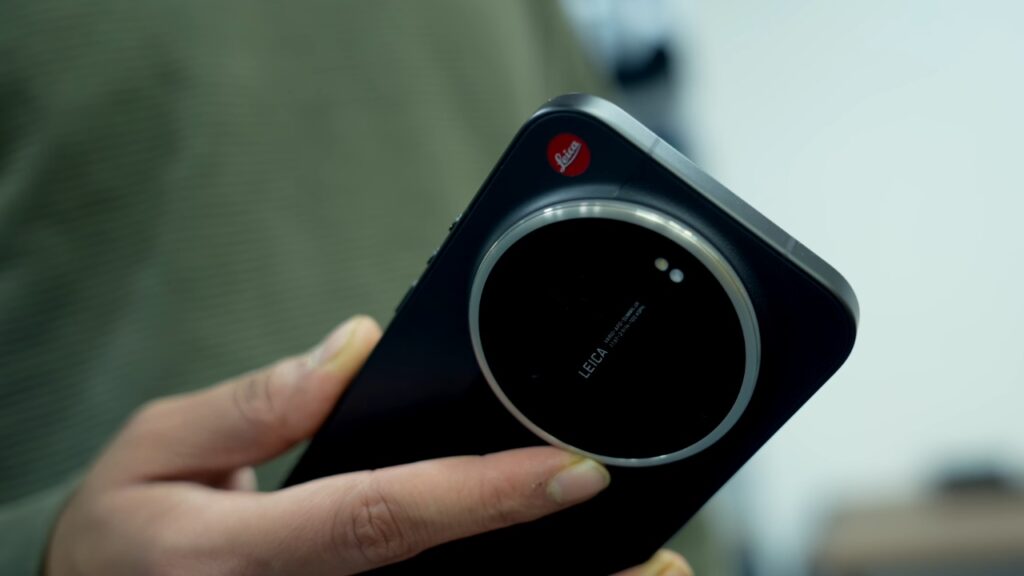
Now, the internet believes this is a copy of the iPhone buttons and you can’t blame. Xiaomi has a habit of that. But I believe round buttons are mostly on cameras, even Leica cameras. So, this could be a reference to that.
And in the Leica edition, the camera ring rotates and it’s not just a fidget spinner. It has some use and we’ll get to that in just a moment.
But the real story starts when you hold the phone. The moment you pick it up, it feels like the phone is designed for shooting. Like when I was using the phone outdoors, people came up to me to ask which camera is this. And you would be mistaken too. From afar, you could feel this is actually a pocket camera.
Along with a change in design, the Xiaomi 17 Ultra is also thinner than the Xiaomi 15 Ultra. Now, part of it is also because there’s one less camera sensor this year. So, the camera bump is also thinner. But overall, in terms of battery, everything is upgraded and it is still slim.
Display
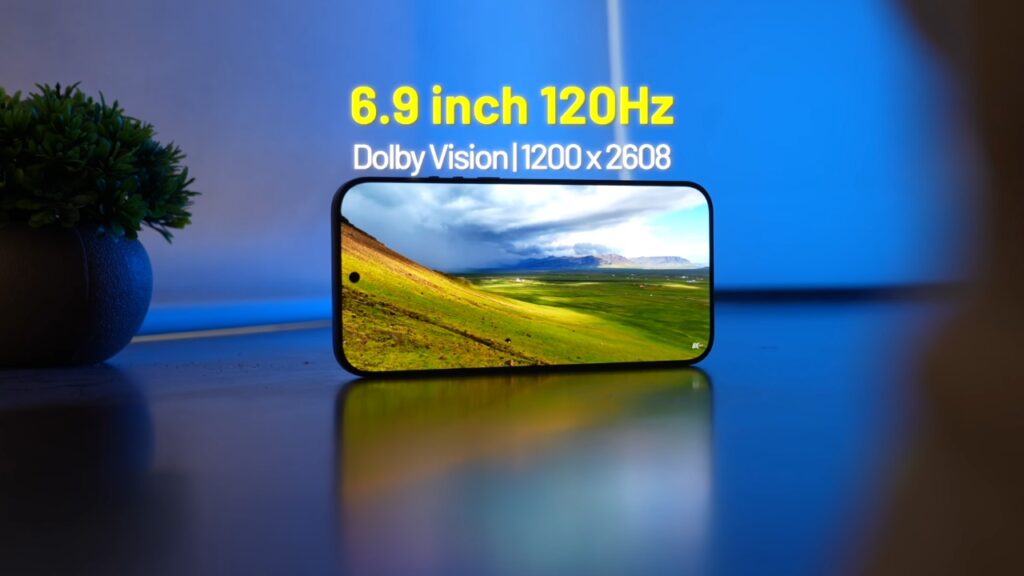
Now, the second upgrade which not a lot of people might like is display size. The Xiaomi 17 Ultra now comes with a larger 6.9 in display. Nice number.
Jokes aside, the display here is pretty good. The colors are punchy and the screen gets pretty bright. Now, it’s a 120 Hz LTPO display with 3,500 nits of peak brightness. Xiaomi has also upgraded the glass protection to Xiaomi Shield Glass 3.0, which as for Xiaomi is 20 times stronger than normal strengthened glass. Don’t know what to do about that claim or how to verify.
Performance & Gaming
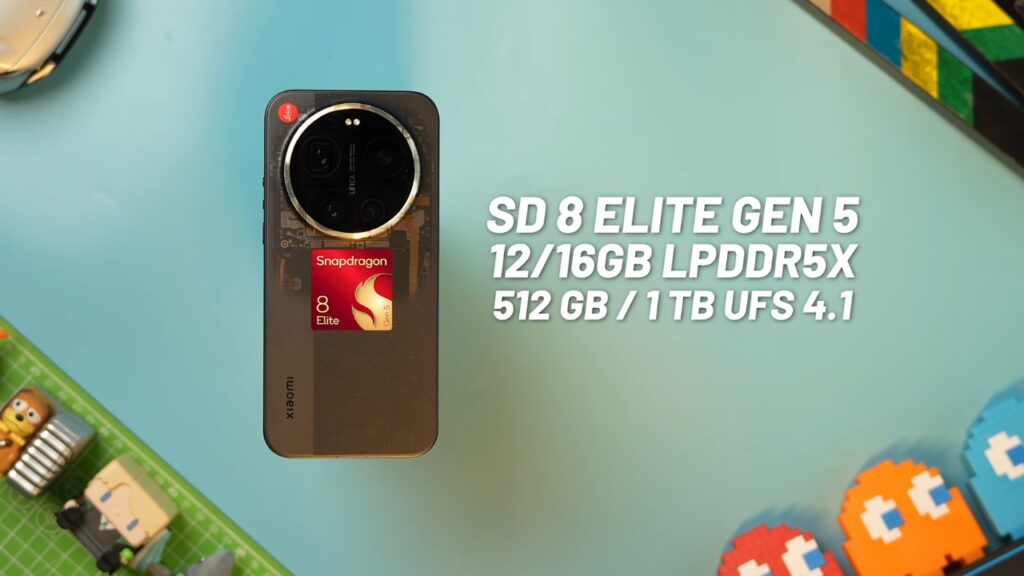
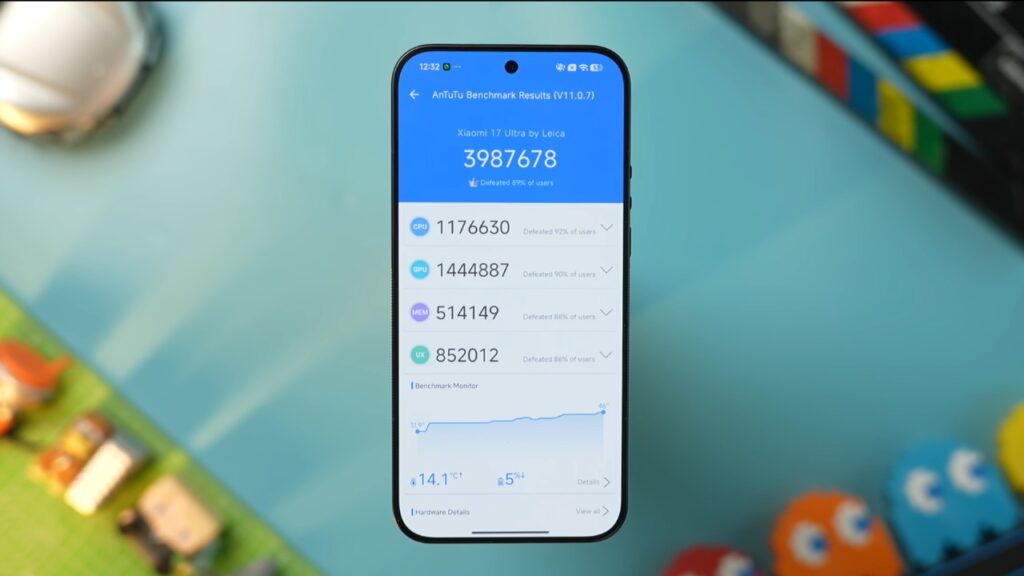
Now, the third obvious upgrade is internals. The Xiaomi 17 Ultra comes with the latest Snapdragon 8 Gen 5 processor with the fastest RAM and storage. Now in Anttutu, it scores around 3.9 Million. Even the geekbench scores are solid.
However, in CPU throttling, if you see the phone does throttle a bit, but is the story the same. So the other day I was on a video call asking the best place to get food from. I had two food delivery apps open on a split screen. It handled this very smoothly which most of the flagships do.
So we pushed it a little bit with gaming in VJI. Currently, it only supports 90 fps. The gameplay was really smooth. There was no stutter or lag, and the temperature stayed around 27°.
Next, we pushed it hard with wooding waves, and we kept all the settings too high, and we played for 30 minutes. The game played again, same story. Smooth gameplay throughout, and the temperature stayed less, around 30°.
So, benchmarks and gaming didn’t feel that warm. But, I remember on the new year, I clicked photos with it for 15 to 20 minutes, and the phone did get hotter than normal. And remember, my city is currently 9 to 10°. Nothing hits here.
Battery & Charging
So, overall, being a cameracentric phone, the performance here is pretty good. And it’s not just the performance, even the battery here is pretty good.
The Xiaomi 17 Ultra comes with a 6,800 mAh lithium ion battery with silicon carbon anode. For context, the 15 Ultra had a 6,000 mAh silicon carbon battery.
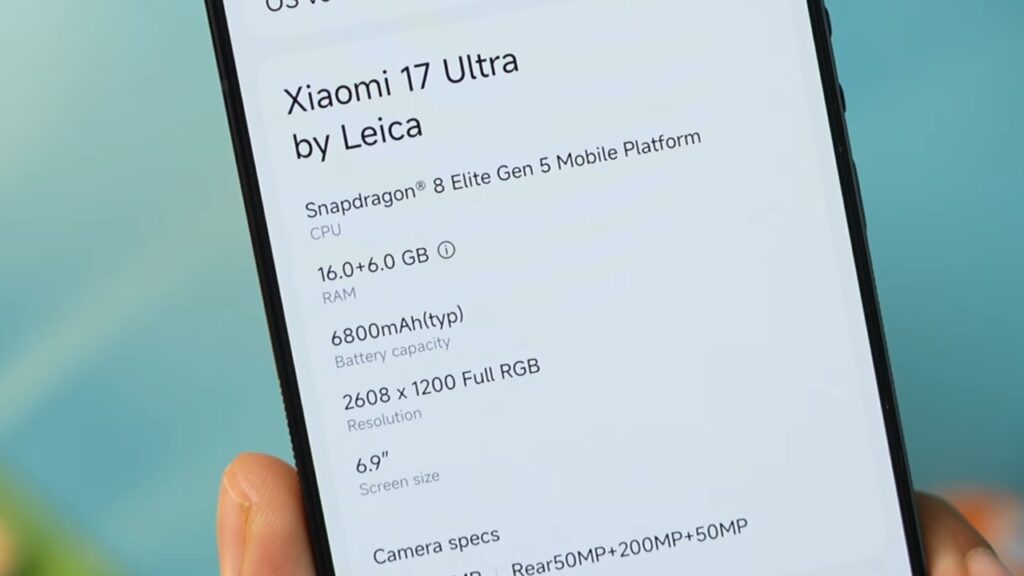
Now, in my short usage of taking a lot of photos, scrollin, playing games, easily lasted me 1 to 1 and 1/2 days on a single charge.
And speaking of charging, it supports 90 watt fast charging and you get up to 50 watt of wireless charging. You also get 10 watt reverse wireless charging.
Software Experience
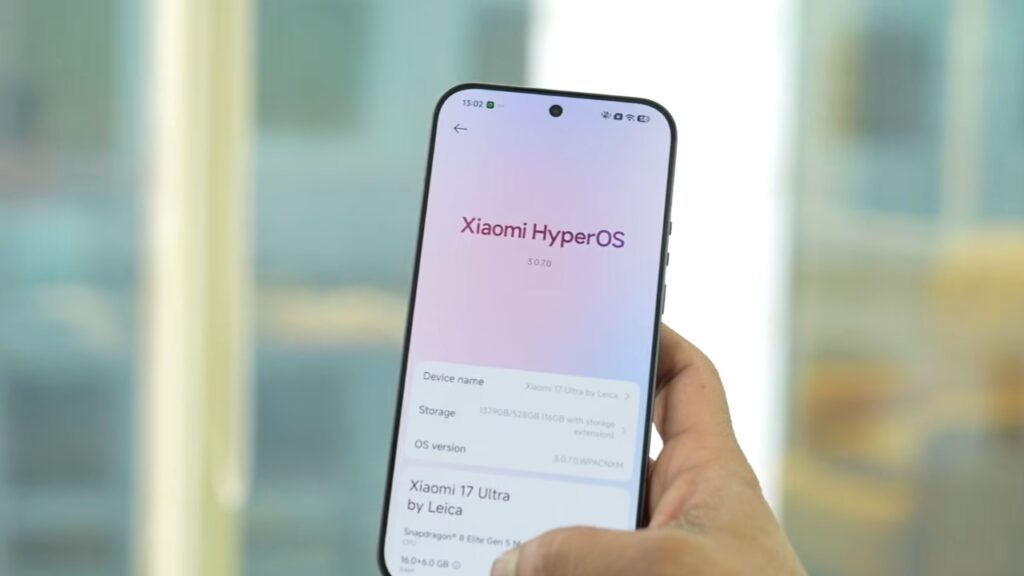
Now, in software, there is not much to talk about. See, it runs on Hyper OS 3 based on Android 16.It is Chinese exclusive software. So, there is a lot of Bluetooth and you don’t see any Google services pre-installed on it, although you can install it from the Xiaomi app store.
Now, in our recent smartphone UI ranking, we gave Hyper OS did the job tier. And if you’re thinking why, well, see side by side with the iPhone 17 Pro, the search behavior, the control center icons, in fact, even the texts, everything is a literal copy of the iPhone.
And if you keep all of that aside, there are not a lot of new features to talk about in Hyper OS3.
Camera Hardware & Camera Ring
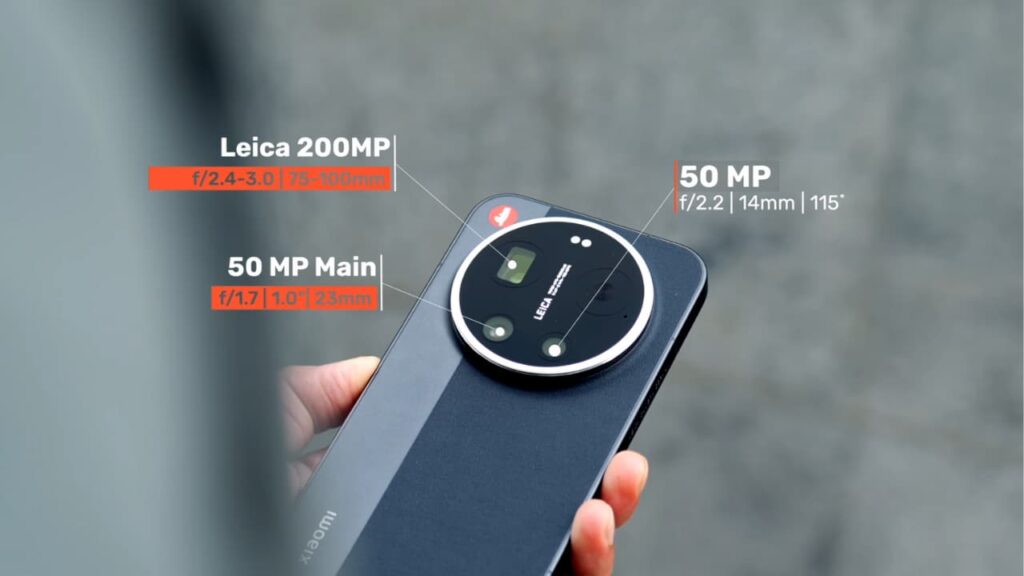
Now finally one thing that the iPhone should copy from Xiaomi is the camera. The Xiaomi 17 Ultra comes with a triple camera setup. The main camera is a 1 inch camera sensor, the only company to do it.
And as we said before, the camera ring here actually rotates. But how? So, think of this camera ring like the scroll wheel on a computer mouse. When you rotate the wheel, nothing inside the computer actually moves. But the computer understands that it has to scroll up and scroll down.
Same thing here. The ring and the cameras are not connected hardware- wise, but inside the ring, you get 20 tiny magnets and some sensors. So, the sensor tells the camera that the ring is turned to the right side, you need to zoom out, or if it is turned to the left side, you need to zoom in.
So Xiaomi has added nice and smooth haptic feedback every time you rotate the camera ring. So first up, if you quickly move the ring left and right, the camera app opens.
Now by default in photo mode, if you rotate the ring, it zooms in and zooms out. If I switch to some other camera features like ISO, it starts adjusting the ISO. If you’re in pro mode, you can adjust focus, all of those settings precisely by just rotating the ring.
Now, one problem is that your hand almost always touches the ring. And sometimes in video, I have accidentally increased the exposure. I came up with brighter videos without noticing that it was me who did it by accident.
Having said that, you can turn it off in the settings. It’s all customizable per mode basis in the settings.
Photo Quality
Now, let’s get to the actual stuff, the photos. In the overall photos, you’d notice that it has the same level of depth like how DSLR photos have. It automatically adds that little blur in the background.
Even in the group photos, if you zoom in and see in the background, it has a certain background blur. Not just that, even the details on the face, that’s super sharp. However, the skin tone, it kind of brightens the face. This could be because this is a Chinese unit.
Even in low light, if you see the amount of light it has got is crazy. Even in ultra wide, the story is similar. And if you zoom in on my face, damn, the ultra wide also has details on my face.
Zoom & Optical Lens System
Now, the best part in this phone is the zoom. If you see here, when I switch from 3.2 to 4.36, the camera smoothly zooms in. There is no lens change. Even if you see the camera lens, it also adjusts like how it happens in the camera.
Most phones zoom by cutting the photo and then stretching it. That’s how photos lose detail. But this works like a real camera lens.
Inside this telephoto camera, there are multiple glass lenses. So when you zoom from 75 mm to 100 mm, the lenses inside the camera actually move just like a DSLR zoom lens. So instead of cropping the photo, the camera is physically pulling the subject closer. That’s why it’s called optical zoom.
And the best part is from 75 to 100 mm, it uses the entire big 200 megapixel sensor at every zoom level. and photos in zoom.
Light Control & Sensor Technology
Now, in photos, you would notice one common thing, light control. The light control here is on point. The camera sensors here have something called Lfic technology in very simple words.
So, think of every pixel like a chai cup. Normal cameras have just one cup. Too much light spills over too much too little light makes the taste bad. But here, every pixel has two cups. One small cup for dark areas, one big cup for bright lights. So, no spillage, no noise. That’s why even night photos look so clean.
Video & Slow Motion
In videos, you can shoot videos at max 8K 30 fps and in 4K you can shoot up to 120 fps. The video has insane details. The skin tone and lighting is exactly how it was in real life. Like if I add a zoom into the video, still there are enough details.
Now this next thing that no one other than Xiaomi does is super slow-mo. It can record slow-mo videos at 1080p at 1920 fps. Like we took this video and damn, that looks sick. But do note that it’s not a continuous 1920 recording. It’s just 10 seconds recording and then you pray to God that you get the shot accurately.
Camera Comparison & Opinion
Overall in cameras, I feel if you want the most balanced smartphone camera, there’s Vivo X300 Pro or Oppo FindX 9 Pro. But if you want to have fun with smartphone cameras, if you like those artistic painting style photos, Xiaomi 17 Ultra is either you love Leica photos or just hate them. There’s no in between.
Now, I believe the camera ring is very experimental. You might see it or might not see it next year, but what they did with the actual floating lens inside the 200 megapixel periscope, that would be the future of smartphone cameras.
Pricing & Expectations
So that was all about the Xiaomi 17 Ultra. And the Xiaomi 17 Ultra normal edition has launched in China at around 6,999 yuan, which roughly translates to around $1,080. And the Leica edition is at 7,999 yuan, which roughly translates to around $1,260.
But with the way smartphones are priced in 2026 globally, I’m expecting the Xiaomi 17 Ultra to be priced at around $1,320, and this could go as high as $1,680.
Conclusion (Xiaomi 17 Ultra)
So keeping the pricing aside, what’s the conclusion here? You know, for a long time, flagship smartphones had a very clear meaning. A flagship meant top performance, great camera, premium design, and no major compromises.
But from 2024, something changed. There are basically three types of flagships coming out now in the market. Some of them are sticking to the same formula that works for them and they keep on making minor changes year on year and sell those safe flagships like Apple, Samsung and Google.
And then there are newer flagships who understand that the old formula is not working for them and that is not enough for them. So they made massive hardware upgrades like Vivo, Oppo.
And then there are flagships that go completely crazy in experimental mode like Xiaomi. See the Xiaomi 17 Pro, Xiaomi 17 Pro Max, similarly the Xiaomi 17 Ultra.
Seeing this flagship, it’s hard to believe that they have been launching these same phones for the past 10 years. Usually, this happens when the company is confused and trying to find the right audience.
But for a tech enthusiast, I love when companies think out of the box and that makes tech fun and that is what the old Xiaomi was.
And I feel that in 2026, people will start buying flagships from Vivo, OPPO or Xiaomi.
Let us know in the comments that you would prefer the Xiaomi 17 Ultra, the Vivo X300 Pro or Oppo Find X9 Pro. Comment is all yours.
So on that note, this is a big signing off. See you in the next one. Pew pew pew.
Discover More Xiaomi 17 Pro Max vs Pixel 10 Pro
Discover more from Phoonomo
Subscribe to get the latest posts sent to your email.