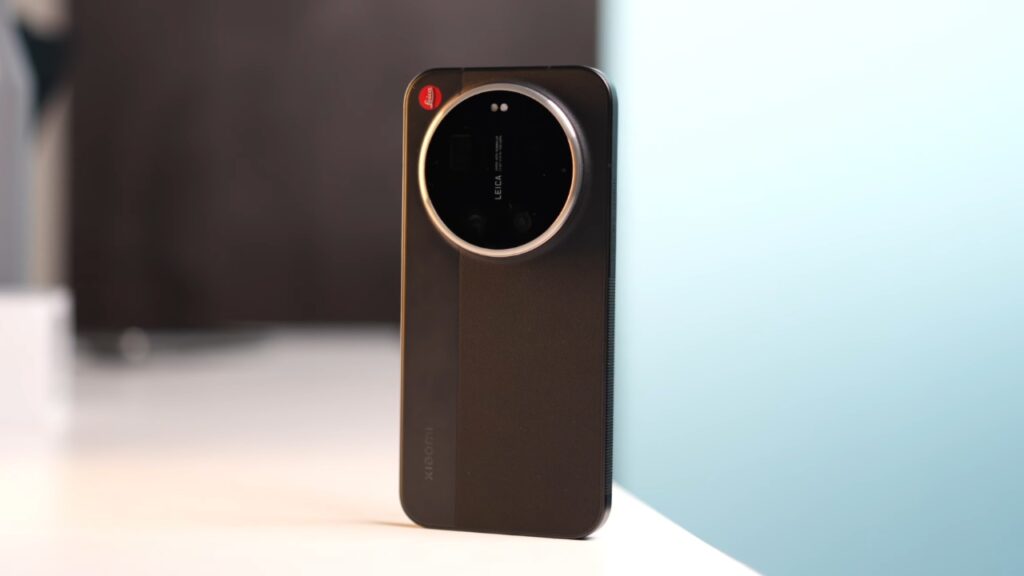
Xiaomi has officially confirmed that the global version of the Xiaomi 17 Ultra will launch just ahead of MWC 2026, placing its international debut in late February. The confirmation came directly from a company executive, ending weeks of speculation around the phone’s worldwide availability. As expected, the global model will retain Leica-branded optics, continuing Xiaomi’s premium camera partnership.
The Xiaomi 17 Ultra first debuted in China late last year and quickly stood out as a camera-focused flagship. Its rear setup is headlined by a 1-inch main sensor, paired with a 200MP Leica APO periscope telephoto camera offering advanced optical zoom, alongside a 50MP ultra-wide lens. Leica tuning is expected to deliver improved colour science, contrast, and low-light performance across all cameras.
On the hardware side, the Xiaomi 17 Ultra is powered by Qualcomm’s Snapdragon 8 Elite Gen 5 chipset, paired with up to 16GB of LPDDR5X RAM and up to 1TB of UFS 4.1 storage. The phone features a large 6.9-inch LTPO AMOLED display with a 120Hz adaptive refresh rate, QHD+ resolution, and high peak brightness.
Battery capacity is expected to be around 6,000mAh for the global variant, slightly smaller than the China model, with support for 90W wired fast charging and 50W wireless charging. The device will ship with Android 16 out of the box, running Xiaomi’s latest HyperOS version.
In terms of pricing, early leaks suggest the Xiaomi 17 Ultra will sit firmly in the ultra-premium segment, with European prices expected to start at around €1,499, while availability should begin shortly after its pre-MWC announcement.
Discover Also Google Pixel 10a Brings Tensor G4, 120Hz AMOLED and Bigger Battery
Discover more from Phoonomo
Subscribe to get the latest posts sent to your email.