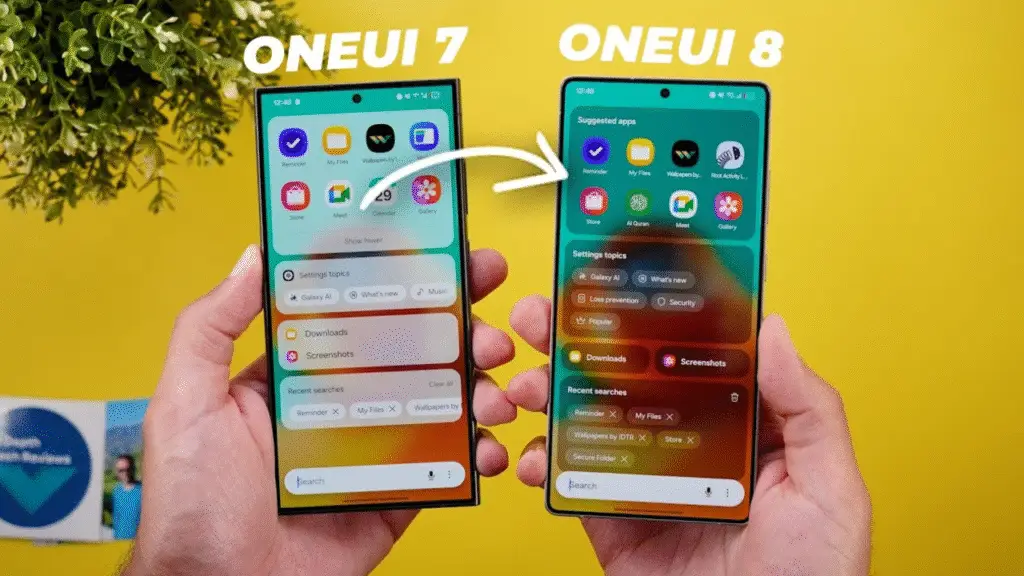
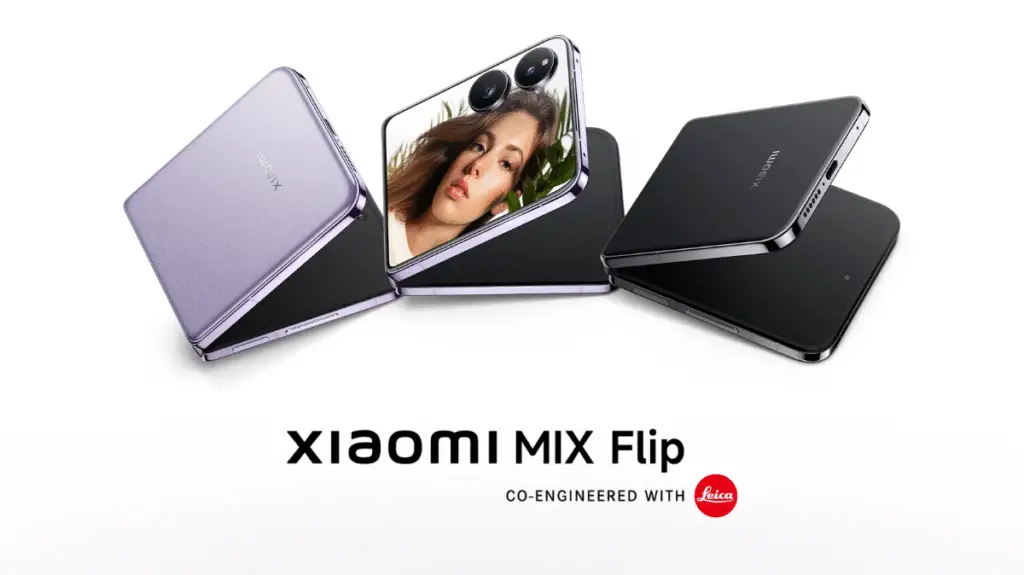
When you put the Xiaomi 17 pro max vs Samsung s25 ultra side by side, the first thing you notice is how different they feel. Both phones come from brands that have very distinct styles, and that becomes obvious the moment you hold them. This comparison is based on real usage, switching between the two devices and observing how they behave in everyday situations.
Design and Build Quality
At a glance, both phones try to look premium, but they take different paths. The S25 Ultra keeps Samsung’s well-known sharp and clean look. Its edges are a bit more squared, and the matte finish gives it a refined feel. Samsung clearly aims for a device that looks serious and professional.
The Xiaomi 17 Pro Max, on the other hand, feels a little more playful. The design seems lighter, and despite being large, it doesn’t weigh your hand down. The curved sides help the phone settle into your palm more comfortably. Xiaomi’s design this year is more about softness and smoothness, while Samsung goes for precision.
Both phones use strong materials. Samsung sticks with its Armor Aluminum frame, while Xiaomi uses a polished metal frame that shines a bit more. In bright light, Xiaomi’s back reflects beautifully, while Samsung keeps a flat, elegant appearance. It comes down to taste, honestly. If you want a bold look, Xiaomi wins. If you want something minimal and mature, Samsung feels more fitting.
Display Comparison
Looking at the displays, it becomes clear why these phones sit in the top tier. The S25 Ultra has an AMOLED panel that looks incredibly sharp with strong contrast. Samsung has always been good with screens, and this year is no different.
The Xiaomi 17 Pro Max brings a brighter panel. Outdoors, Xiaomi pulls ahead. Even under direct sunlight, the screen remains readable without needing to shade it. Samsung’s screen is also excellent, but Xiaomi’s brightness has the edge. When it comes to color accuracy, Samsung tends to give deeper tones while Xiaomi looks a bit more vivid, especially in bright mode. People who prefer punchy visuals might lean toward Xiaomi.
Scrolling feels smooth on both devices because of their high refresh rates. There is not much to complain about here. Whether you’re watching videos, browsing, or gaming, both phones deliver a fluid experience.
Performance and Software
Switching between apps on both phones is fast and effortless. Samsung’s chipset is powerful and optimized for the One UI environment. Everything feels polished. Animations are clean, and the system rarely slips up.
Xiaomi, with its HyperOS, feels slightly faster in some animations. It reacts quickly, and app loading times are often a fraction of a second shorter. However, HyperOS tends to feel more energetic, while Samsung provides a steadier experience.
In gaming, both phones handle heavy titles without breaking a sweat. But Xiaomi gets a little warmer after long sessions. Samsung stays cooler and maintains stable performance for a longer time. This matters for people who play demanding games regularly.
Overall, Xiaomi feels faster in short bursts, while Samsung feels more balanced during long usage.
Camera Comparison
This is where the real differences appear. Both phones shoot great photos, but their personalities couldn’t be farther apart.
Samsung’s main camera delivers natural colors. The dynamic range is strong, especially in bright scenes. The details look realistic without looking overly processed. Samsung also handles skin tones very well. When you take photos of people, the colors feel honest, which many users appreciate.
Xiaomi’s main camera is more dramatic. The images are sharper and more detailed. You will instantly notice a boost in clarity. The contrast is slightly higher, and the colors pop more. Some people love this style because the photos look ready for social media without editing.
The zoom comparison is interesting. Samsung’s telephoto system is cleaner at long ranges. When zooming in, especially past 10x, Samsung’s image holds better structure and color. Xiaomi is sharp but loses a little balance when zoomed far. At medium zoom levels, Xiaomi shoots extremely detailed pictures, but Samsung keeps more consistent results across all zoom points.
In low light, Samsung leans toward natural lighting, while Xiaomi brightens scenes aggressively. Xiaomi’s low-light images are very sharp, but sometimes the colors shift slightly. Samsung’s results look closer to how things appear in real life, even if the pictures look a bit darker.
For video recording, Samsung takes the lead. The stabilization is smoother, and the colors stay more accurate when moving. Xiaomi’s video is sharp but sometimes jumps in exposure.
It’s simple:
- If you like dramatic and sharp photos, Xiaomi is exciting.
- If you want natural and balanced shots, Samsung is safer.
Battery Life and Charging
Battery life on both phones is strong, but they perform differently. The S25 Ultra lasts longer during mixed usage. With normal browsing, social media, and streaming, Samsung keeps a steady discharge rate that stretches through the Day.
Xiaomi drains faster when using the camera or gaming, but in lighter tasks, it does fine. The real advantage for Xiaomi is charging speed. It fills the battery much faster than Samsung. If you’re someone who hates waiting, Xiaomi’s fast charging is a major win.
Samsung charges slower, but it is more reliable in temperature control, especially while charging and using the phone at the same time.
Audio and Connectivity
Xiaomi’s speakers sound louder. The audio feels fuller, especially when watching videos. Samsung’s speakers are clear and balanced, but not as loud as Xiaomi’s. However, Samsung seems to preserve quality better at high volume, whereas Xiaomi can get slightly harsh.
Connectivity on both phones is flagship-level, but Samsung has a small edge in network stability. Signal strength remains more consistent in areas with weak coverage. Xiaomi performs well too, but during testing, the S25 Ultra held onto weak signals more confidently.
User Experience
Using both phones throughout the day, you get a sense of their character. Samsung focuses on dependability. Everything works the same way every time. It’s predictable in a good way. The phone feels like a tool that gets things done without surprises.
Xiaomi brings a bit more excitement. The animations, the sharp pictures, the bright screen — it all feels lively. It’s the phone you pick up when you want something fun and visually impressive.
People who like stability might lean toward Samsung. People who enjoy bold visuals and fast charging might prefer Xiaomi.
Which One Should You Choose? (Xiaomi 17 pro max vs Samsung S25 ultra)
Deciding between the Xiaomi 17 pro max vs Samsung S25 ultra comes down to what you value most. Samsung keeps things pure, natural, and balanced. Xiaomi pushes brightness, sharpness, and speed. Neither one is a bad choice, but they serve different tastes.
If camera accuracy, long battery life, and a cooler device during gaming matter to you, the S25 Ultra feels like the safer option. If you love punchy photos, ultra-fast charging, and a brighter screen outdoors, the 17 Pro Max will make you happy.
In the end, both phones stand as strong flagships, each one excelling in its own style.
Read Also OnePlus 15 vs Samsung S25 Ultra: Which Flagship Really Deserves Your Money?
Discover more from Phoonomo
Subscribe to get the latest posts sent to your email.