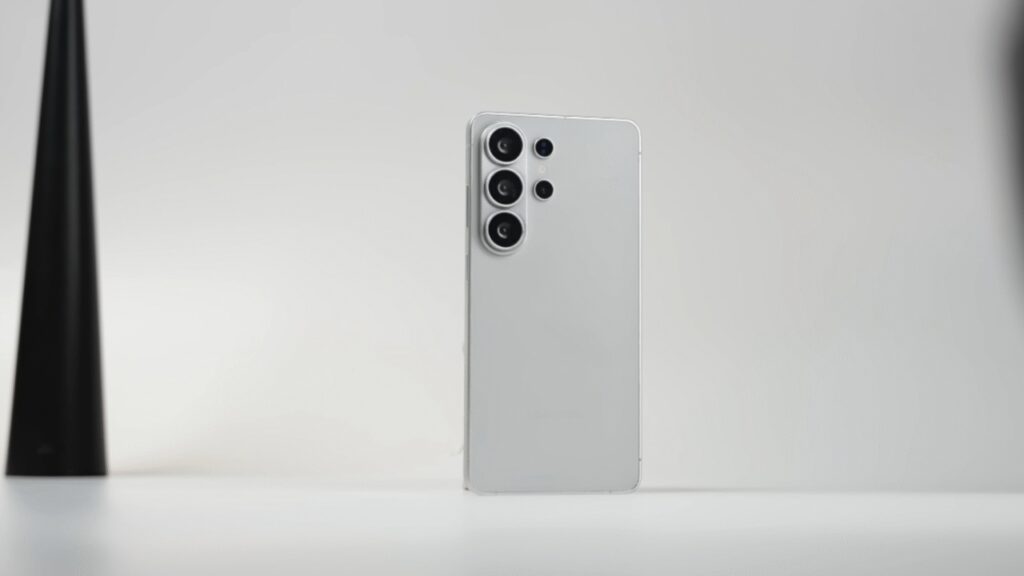
Samsung is reportedly struggling to lock in pricing for its upcoming Galaxy S26 flagship lineup, with rising component costs and internal cost pressures making the decision far more complex than in past years. Multiple reports from Korean and global tech outlets suggest the company is still weighing how much to charge for the S26 series and the dilemma could impact profitability, launch timing and competitive positioning when the phones debut in early 2026.
According to sources citing The Bell and industry insiders, Samsung has not yet finalized official Galaxy S26 prices, despite the February 2026 launch window approaching rapidly. One major reason appears to be significant increases in the cost of core smartphone components, including memory (DRAM and flash storage), camera modules, OLED panels and high-end chipsets. These rising input costs are squeezing Samsung’s margins and complicating how the company balances pricing with consumer demand.
If Samsung passes the higher manufacturing costs onto consumers, there’s concern it could slow sales especially at a time when flagship smartphone pricing is already high and competitors across Android and iOS are pushing aggressive value propositions. On the other hand, keeping prices static compared with the Galaxy S25 series could weaken profitability, something the company is keen to avoid given the importance of the S-series as a revenue driver.
Part of Samsung’s internal strategy to mitigate these cost pressures involves reviving its in-house Exynos processors, which are typically cheaper than premium Qualcomm chips like the Snapdragon 8 Elite Gen 5. By using its own Exynos 2600 in some Galaxy S26 and S26+ units, Samsung could reduce production costs by roughly $20–$30 per unit versus Snapdragon-only configurations, a non-trivial saving amid memory price volatility.
Component cost pressures have also sparked internal disagreements. For example, Samsung’s semiconductor division reportedly favoured selling high-margin DRAM to external partners rather than supplying the handset division, contributing to higher memory costs for the Galaxy S26 range, a dynamic that could ultimately push retail prices upward. Analysts say the memory price squeeze is likely to persist into 2027, making pricing decisions even harder.
Additional factors clouding the pricing picture include the company’s mixed chipset strategy (balancing Snapdragon and Exynos variants), memory cost inflation, and broader market competition. Higher launch prices may put Samsung at a disadvantage against rivals who are adopting aggressive early-2026 pricing on flagship models especially given that leaked Galaxy S26 hardware upgrades are perceived by some as incremental rather than transformative compared with the Galaxy S25 series.
In summary, Samsung’s Galaxy S26 pricing struggle reflects a broader challenge for smartphone makers in 2025–26: balancing cost inflation, competitive pressure and consumer expectations in a market where every extra $50–$100 on a flagship price tag can weigh heavily on demand. The final pricing decision expected in the coming weeks as Samsung gears up for its early-year launch will be closely watched as a barometer of how the industry navigates these headwinds.
Discover More Samsung Galaxy S26 Ultra Mid-February Launch And 320MP Sensor Support Leaked
Discover more from Phoonomo
Subscribe to get the latest posts sent to your email.