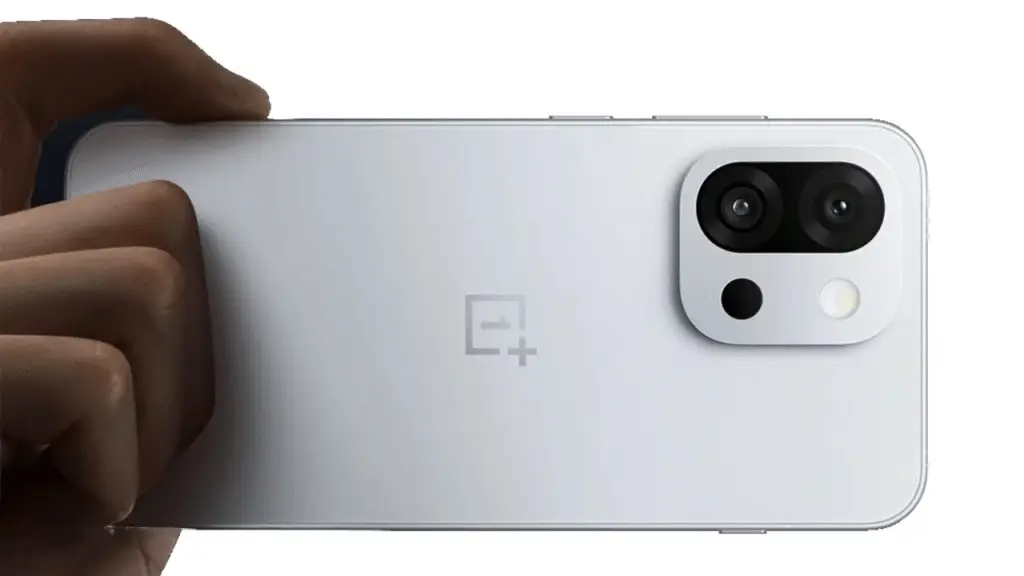
There are two mistakes people often make when they’re shopping for a flagship phone. The first is assuming that Samsung is the obvious pick for any Android user, and the second is thinking that a higher price automatically means a better device. This year, the new OnePlus 15 challenges both of those ideas in a pretty bold way.
Starting at $900, the OnePlus comes in noticeably cheaper than Samsung’s s25 Ultra, which begins at $949. But the difference isn’t just about the price tag. OnePlus throws in the latest Snapdragon chip, a massive 7,300 mAh battery, a brighter display, and even a fast charger inside the box. Samsung, on the other hand, still sticks to including only a cable.
So the question is simple: should you save a few hundred dollars and go with the OnePlus, or does Samsung still manage to justify its higher price?
Price and Versions
The OnePlus 15 starts at $900 for the 12GB RAM and 256GB storage model. If you want the 16GB/512GB version, it’s $1,000. Even the most expensive OnePlus is still cheaper than the s25 Ultra’s base model.
Samsung’s s25 Ultra starts at $949 with 12GB RAM and 256GB storage, or $1,070 for the 12GB/512GB version. It’s clear that from a value standpoint, OnePlus has a huge advantage right out of the gate.
| Feature | OnePlus 15 | Samsung S25 Ultra |
|---|---|---|
| Base Model | $900 (12GB/256GB) | $949 (12GB/256GB) |
| Top Model | $1,000 (16GB/512GB) | $1,070 (12GB/512GB) |
| Price Advantage | Cheaper across all versions | Higher price |
Design and Build Quality
Samsung’s flagship still has personality. The s25 Ultra has sharp corners, those familiar separate camera lenses, and the S Pen tucked inside. The OnePlus 15 takes a simpler, flatter approach. It looks clean, but also a bit safe. Some might even say it leans too close to the iPhone aesthetic.
Samsung uses titanium for the frame, while OnePlus sticks with aluminum. You can feel the difference in hand. Samsung feels a bit more refined and premium, though both phones keep the smudge-free matte glass finish, which is always appreciated.
OnePlus does hit back with better durability in one area. It has IP68 and IP69 water resistance, while Samsung stays at IP68. That extra rating means the OnePlus should survive harsher water exposure even something like a quick rinse under a faucet.
| Feature | OnePlus 15 | Samsung S25 Ultra |
|---|---|---|
| Build Material | Aluminum frame | Titanium frame |
| Back Finish | Smudge-free matte glass | Smudge-free matte glass |
| Design Style | Flat, simple, slightly iPhone-like | Sharp corners, S Pen integration |
| Water Resistance | IP68 + IP69 | IP68 |
| Hand Feel | Solid, clean | Premium, refined |
Displays
Samsung usually dominates when it comes to screens, and this year is no different, although OnePlus comes surprisingly close.
The OnePlus 15 uses a 6.8-inch flat OLED, while Samsung has a 6.9-inch flat panel. Samsung carries the higher resolution, giving it a slight edge in clarity, but you’d have to look closely to notice.
The OnePlus pushes its refresh rate to 165Hz. Samsung stays at 120Hz. In daily use, the difference isn’t massive, but scrolling and animations can feel a touch smoother on the OnePlus.
In lab testing, the OnePlus reached an incredible 3,500 nits of peak brightness, beating the Samsung’s 2,800 nits. But real-world testing tells a different story. Outdoors, Samsung is easier to read because of its excellent anti-reflection coating. The OnePlus gets brighter, yes, but it reflects more light, which works against it in direct sun.
Samsung also gets dimmer at night, dropping under one unit, which is easier on the eyes when you’re browsing in the dark.
| Feature | OnePlus 15 | Samsung S25 Ultra |
|---|---|---|
| Screen Size | 6.8-inch OLED | 6.9-inch OLED |
| Resolution | Slightly lower than Samsung | Higher, sharper clarity |
| Refresh Rate | 165Hz | 120Hz |
| Peak Brightness | 3,500 nits | 2,800 nits |
| Outdoor Readability | Reflections can reduce visibility | Excellent anti-reflection coating |
| Night Mode | Slightly bright | Dims below 1 nit, easier on eyes |
Software and Updates
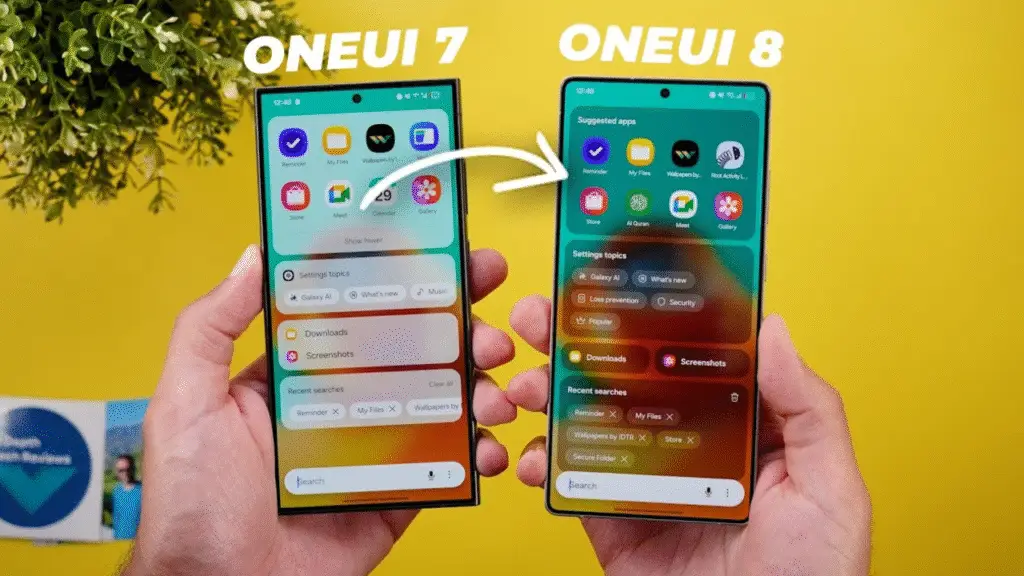
This is where the differences really show. The s25 Ultra runs One UI on Android 16, complete with a long list of AI features, live translation, summaries, generative wallpapers, and Samsung’s always-impressive object eraser.
The OnePlus 15 uses OxygenOS 16, which has slowly drifted closer to looking like iOS. It includes AI summaries and smart photo editing too, but it still lacks some of Samsung’s deeper tools.
Updates are a big deal for long-term buyers. Samsung promises seven years of major OS and security updates. OnePlus offers four. If you plan to keep your phone for a long time, Samsung is clearly the safer investment.
| Feature | OnePlus 15 | Samsung S25 Ultra |
|---|---|---|
| OS | OxygenOS 16 | One UI on Android 16 |
| AI Features | Summaries, smart photo editing | Live translation, generative wallpapers, object eraser |
| Long-Term Updates | 4 years major OS/security | 7 years major OS/security |
| UI Style | Close to iOS | Samsung’s standard, feature-rich |
Cameras
On paper, Samsung still holds the crown. The s25 Ultra features a 200MP main camera, an ultrawide lens, and dual telephoto lenses at 3x and 5x. The OnePlus 15 gives you a main sensor, an ultrawide, and a 3.5x telephoto.
In daylight, the OnePlus tends to produce more vibrant, punchy images. Samsung aims for a cooler, sharper look with slightly darker exposure. OnePlus also uses 26MP default shots, which offer more detail than Samsung’s 12MP default mode.
Night photography is where OnePlus really surprised everyone. The previous OnePlus 13 sometimes had wild night colors, but the OnePlus 15 delivers more balanced and natural nighttime images. Samsung still holds an edge in video thanks to cleaner HDR and better stabilization.
Samsung also keeps a lead in photo editing. The object eraser tool is still one of the best, and it can add portrait blur to a normal photo after it’s taken, something that the OnePlus still doesn’t do.
| Feature | OnePlus 15 | Samsung S25 Ultra |
|---|---|---|
| Main Camera | Vibrant, 26MP default, detailed | Cooler, 12MP default, sharp |
| Ultra-Wide | Yes | Yes |
| Telephoto | 3.5x | 3x & 5x dual telephoto |
| Daylight Photos | Punchy, vibrant | Slightly darker, sharp |
| Night Photos | Balanced, natural | Slightly better HDR, stabilization |
| Video | Good | Cleaner HDR, smoother stabilization |
| Special Features | Basic editing | Object eraser, post-shot blur |
Battery Life and Charging
This is where things get interesting. The OnePlus 15 has a massive 7,300 mAh battery, the largest in any major flagship sold globally. The s25 Ultra stays with 5,000 mAh, the same size Samsung has used for several years now.
In testing, the OnePlus passed 30 hours of web browsing, a record. Samsung managed around 21 hours. In real use, both can last nearly two days, but the OnePlus does it more comfortably.
Charging is another area where OnePlus wins easily. It supports 80W wired and 50W wireless charging. Samsung manages 45W wired and 15W wireless. A full charge on the OnePlus takes around 45 minutes, while the Samsung needs roughly 75.
Neither supports magnetic charging, which feels like a missed opportunity for both.
| Feature | OnePlus 15 | Samsung S25 Ultra |
|---|---|---|
| Battery Capacity | 7,300 mAh | 5,000 mAh |
| Web Browsing Test | 30+ hours | 21 hours |
| Daily Use | Nearly 2 days | Nearly 2 days |
| Wired Charging | 80W | 45W |
| Wireless Charging | 50W | 15W |
| Full Charge Time | ~45 min | ~75 min |
| Magnetic Charging | No | No |
Performance
The OnePlus 15 is the first phone to ship with the new Snapdragon 8 Elite Gen 5 chip. And it shows. The phone runs cooler, scores higher in sustained performance, and maintains nearly 99% stability in intense GPU testing. Those are numbers normally reserved for gaming-focused phones.
If you’re a gamer, the OnePlus offers better sustained performance and lower heat. Samsung still performs very well, but it doesn’t match the same stability during long gaming sessions.
| Feature | OnePlus 15 | Samsung S25 Ultra |
|---|---|---|
| Chipset | Snapdragon 8 Elite Gen 5 | Latest Samsung Exynos/Snapdragon variant |
| Gaming Stability | 99% sustained performance | High, but slightly lower stability |
| Heat Management | Cooler during long sessions | Warms slightly more |
| General Performance | Fast daily tasks | Fast, very smooth |
Audio
Both phones use stereo speakers and get loud, but Samsung has the better tuning. The s25 Ultra has slightly deeper bass and more balanced mids, especially at high volume. The OnePlus gets louder but can sound harsher when pushed.
Final Verdict (OnePlus 15 vs Samsung S25 Ultra)
So, OnePlus 15 vs Samsung s25 Ultra which one deserves your money?
Samsung still wins in camera versatility, display refinement, extra features like the S Pen, and long-term software support. It’s the better choice if you want the most complete, long-lasting flagship experience.
But the OnePlus 15 hits back hard. It delivers outstanding battery life, faster charging, better sustained performance, and a far lower price. For many buyers, you’re getting 90% of the Galaxy experience for hundreds less.
If you want the best Android camera and don’t mind paying more, go with Samsung. But if you want the smarter buy the one that saves money while still offering top-tier performance the OnePlus 15 makes a powerful case.
| Feature | OnePlus 15 | Samsung S25 Ultra |
|---|---|---|
| Strengths | Battery life, fast charging, sustained performance, cheaper | Camera versatility, display refinement, S Pen, long-term updates |
| Weaknesses | Fewer software features, display reflections | Smaller battery, slower charging, higher price |
| Best For | Value-conscious buyers, gamers, long battery life | Camera enthusiasts, long-term software support, premium features |
And honestly, Samsung should be a little worried.
Read Also OnePlus 15 vs Pixel 10 Pro XL
Discover more from Phoonomo
Subscribe to get the latest posts sent to your email.