Well, everyone, it’s time to take a closer look at OnePlus 15 and see how it stacks up against the OnePlus 13. Both are flagship phones that push performance and design forward, but the newer model takes things a step further, especially in battery life, efficiency, and camera versatility. The OnePlus 13 is still a great option even a year later, thanks to its reliable performance and stunning display, but let’s break things down and see where the biggest differences really lie between these two models.
Design and Build
| Feature | OnePlus 13 | OnePlus 15 |
|---|---|---|
| Dimensions | 162.9 x 76.5 x 8.5 mm / 8.9 mm | 161.4 x 76.7 x 8.1 mm |
| Weight | 210 g / 213 g | 211 g / 215 g |
| Build | Glass front (Ceramic Guard), glass or silicone back, aluminum frame | Glass front (Gorilla Glass Victus 2), aluminum alloy frame, glass or glass fiber back |
| Water Resistance | IP68/IP69 | IP68/IP69K (more pressure resistant) |
| Colors | Black Eclipse, Arctic Dawn, Midnight Ocean | Infinite Black, Ultra Violet, Sand Storm |
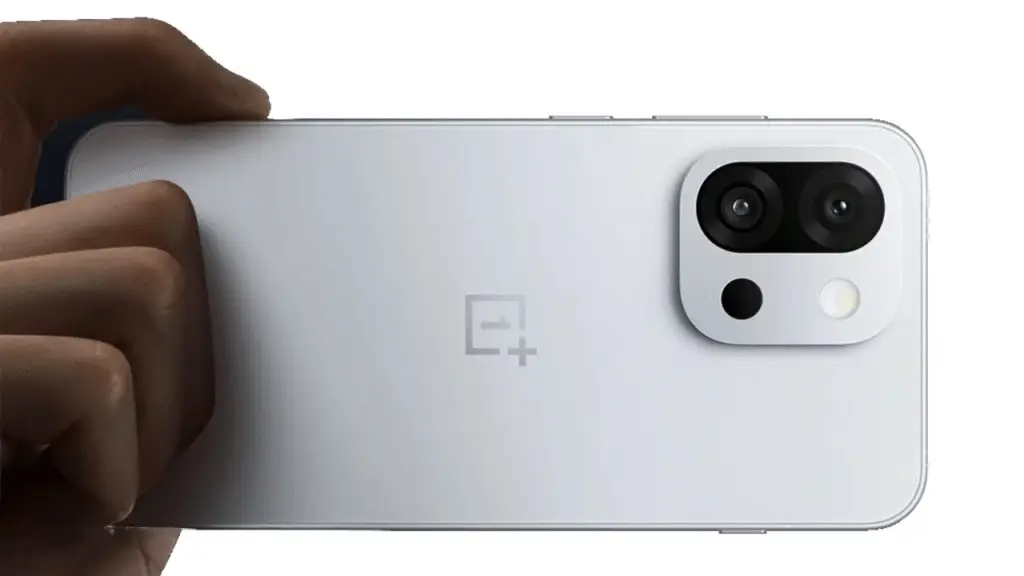
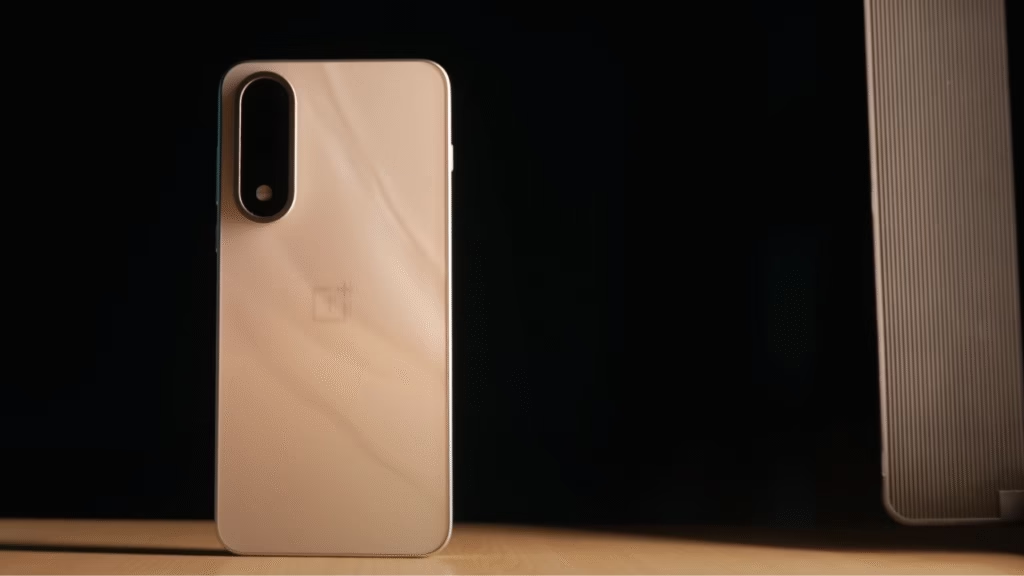
Starting with the design, the OnePlus 15 doesn’t completely reinvent the look, but it certainly refines it. It keeps the familiar minimalist OnePlus feel while adding a more polished, modern edge. The sides are now flatter with a smooth aluminum alloy frame, and the finish feels more premium in the hand. The back is made of Gorilla Glass 7i or a glass fiber option, giving you a more durable and fingerprint-resistant surface compared to the OnePlus 13’s glossy ceramic guard finish.
The new model also comes with IP68/IP69K dust and water resistance, meaning it can handle higher water pressure and brief submersion better than the 13. You still get the same iconic alert slider and curved edges, but the attention to detail on the 15 makes it feel more refined. Even though it weighs slightly over 210 grams, it’s well-balanced and feels solid. Overall, OnePlus has managed to make a familiar design feel fresh again without taking any drastic turns.
Display
| Feature | OnePlus 13 | OnePlus 15 |
|---|---|---|
| Type | LTPO 4.1 AMOLED, 120Hz, HDR10+, Dolby Vision | LTPO AMOLED, 165Hz, HDR10+, Dolby Vision |
| Size | 6.82 inches | 6.78 inches |
| Resolution | 1440 x 3168 pixels | 1272 x 2772 pixels |
| Peak Brightness | 4500 nits (peak) | 1800 nits (HBM) |
| Protection | Ceramic Guard glass | Gorilla Glass Victus 2 |
| Extras | Ultra HDR support | Ultra HDR, PWM dimming |
Moving to the display, both phones showcase OnePlus’s display mastery, but the OnePlus 15 has a few technical upgrades that make it even more impressive.
The OnePlus 13 features a 6.82-inch LTPO 4.1 AMOLED panel with a 120Hz refresh rate, HDR10+, and Dolby Vision support. It’s bright, color-accurate, and easily one of the best screens of its generation. However, the OnePlus 15 slightly trims down the size to 6.78 inches but increases the refresh rate to a stunning 165Hz, which makes animations and scrolling feel incredibly smooth.
It’s also brighter in real-world use, with up to 1800 nits in high brightness mode and improved color accuracy across different lighting conditions. Watching HDR videos or playing games feels more vivid and fluid, thanks to its new display technology and better PWM dimming that reduces eye strain.
Simply put, the OnePlus 15’s display doesn’t just look better—it performs better. It’s sharper, faster, and more energy-efficient, making it one of the most refined AMOLED panels you’ll find in any 2025 flagship.
Performance
| Feature | OnePlus 13 | OnePlus 15 |
|---|---|---|
| Chipset | Snapdragon 8 Elite (3nm) | Snapdragon 8 Elite Gen 5 (3nm) |
| CPU | Octa-core (2×4.32GHz + 6×3.53GHz) | Octa-core (2×4.6GHz + 6×3.62GHz) |
| GPU | Adreno 830 | Adreno 840 |
| RAM Options | Up to 24GB | Up to 16GB |
| Storage | Up to 1TB (UFS 4.0) | Up to 1TB (UFS 4.1) |
| OS | Android 15 (OxygenOS 15) | Android 16 (ColorOS 16) |
This is where the gap between the two really starts to show. The OnePlus 13 was no slouch with its Snapdragon 8 Elite (Gen 3) chip and Adreno 830 GPU, delivering top-tier power at the time. But the OnePlus 15 introduces Qualcomm’s latest Snapdragon 8 Elite Gen 5 (3nm), paired with the new Adreno 840 GPU, and this makes a noticeable difference in speed, heat management, and battery efficiency.
The CPU cores have been upgraded to higher frequencies, resulting in faster app loading and smoother multitasking. Whether you’re gaming, editing videos, or just switching between heavy apps, the difference in responsiveness is easy to feel.
The OnePlus 15 also benefits from better AI processing, helping with real-time scene optimization in photography and performance tuning while gaming. Benchmarks aside, this chip is simply cooler and smarter. It delivers consistent power without throttling, and that’s something you’ll appreciate during extended use.
Storage speeds have also improved, thanks to UFS 4.1, compared to the OnePlus 13’s UFS 4.0. RAM options remain similar, with variants up to 16GB and storage going as high as 1TB, ensuring future-proof performance for years.
Camera System
| Feature | OnePlus 13 | OnePlus 15 |
|---|---|---|
| Main Camera | 50MP (wide), f/1.6, OIS | 50MP (wide), f/1.8, OIS |
| Telephoto | 50MP, 3x optical zoom | 50MP periscope, 3.5x optical zoom |
| Ultra-Wide | 50MP, 120° FoV | 50MP, 116° FoV |
| Video Recording | 8K@30fps, 4K@120fps | 8K@30fps, 4K@120fps, LUT preview |
| Selfie Camera | 32MP, 4K@60fps | 32MP, 4K@60fps |
| Camera Extras | Hasselblad tuning, laser focus | LUT preview, laser focus, color spectrum sensor |
Both phones feature triple 50MP camera setups, but the OnePlus 15 introduces better sensors and improved image processing. The OnePlus 13 had a capable system co-engineered with Hasselblad, known for its color accuracy and sharp detail. The OnePlus 15 continues that partnership but adds extra software layers for LUT preview, enhanced HDR, and better low-light performance.
The periscope telephoto lens now offers 3.5x optical zoom compared to the 13’s 3x, with improved OIS and color calibration. The ultra-wide sensor remains sharp and detailed, while the main sensor’s faster shutter speed makes motion shots cleaner.
Video recording also sees a boost now supporting 8K at 30fps and 4K at 120fps, with Dolby Vision and advanced stabilization for more cinematic footage.
The front camera remains a 32MP sensor, but with improved autofocus and HDR performance, making it more reliable for both selfies and vlogging.
In short, the OnePlus 13 already had a great camera setup, but the 15’s enhanced processing and added shooting versatility make it feel more professional and consistent across lighting conditions.
Battery and Charging
| Feature | OnePlus 13 | OnePlus 15 |
|---|---|---|
| Battery Capacity | 6000 mAh | 7300 mAh |
| Charging Speed (Wired) | 100W | 120W |
| Wireless Charging | 50W | 50W |
| Reverse Charging | 10W wireless, 5W wired | 10W wireless, 5W wired |
| Charging Time (0–100%) | ~36 minutes | ~40 minutes |
| Bypass Charging | Yes | Yes |
OnePlus has always been known for fast charging, but the OnePlus 15 takes things to the next level. It packs a massive 7300mAh battery, compared to the 6000mAh unit in the OnePlus 13. Despite this increase, the phone remains slim and manageable, thanks to optimized internals and better cell chemistry.
Charging speeds have also improved. The OnePlus 15 supports 120W wired charging, capable of going from 0 to 50% in just 15 minutes, and 100% in about 40. Wireless charging is rated at 50W, with reverse wireless and wired options available for accessories.
In real-world use, the battery easily lasts over a day and a half for moderate to heavy users, which is a noticeable jump from the OnePlus 13’s full-day endurance. The new chip’s efficiency also helps keep temperatures down during gaming or 4K video recording.
Software and Features
The OnePlus 13 launched with Android 15 and OxygenOS 15 (or ColorOS 15 in China), promising four years of major updates. The OnePlus 15 now comes with Android 16 and ColorOS 16, delivering a more AI-driven experience.
Performance optimization, app suggestions, and multitasking are smarter than before. The phone also features better system animations, a cleaner UI, and enhanced privacy tools. The ultrasonic fingerprint sensor feels quicker and more reliable, and haptic feedback is tighter and more precise.
Connectivity has also improved, with Wi-Fi 7, Bluetooth 6.0, and advanced GPS positioning systems that ensure better accuracy and stability during navigation.
Price and Value
Here’s where things get interesting. The OnePlus 15 starts at around €480 (roughly $510), which is surprisingly affordable for such a powerful flagship. In comparison, the OnePlus 13 launched at €819 ($679). That’s a big gap and it means the new model offers a lot more value for money.
Given the newer chip, bigger battery, faster charging, and improved display, the OnePlus 15 feels like a flagship that undercuts its competition by a wide margin.
Verdict
| Aspect | OnePlus 13 | OnePlus 15 |
|---|---|---|
| Best for budget-conscious users | Excellent value for its performance and features. | Slightly higher cost but still strong value. |
| Latest tech | Solid performance, but uses previous-gen chipset. | Features newer Snapdragon 8 Elite Gen 5 for future-proofing. |
| Battery / Charging | 6,000 mAh battery with very fast charging. | 7,300 mAh battery + 120 W wired + 50 W wireless charging. |
| Photography / Zoom | High‑end camera setup; good for most users. | Improved zoom and processing, better for enthusiasts. |
| Display & Design | Premium screen and build. | Slightly more refined UI, flatter design, premium finishes. |
| Which to get? | If you already have it or want value. | If you want the newest model, maximum feature set, and longevity. |
When comparing OnePlus 13 vs OnePlus 15, it’s clear that OnePlus has refined almost every aspect without losing what made its older phones great.
The OnePlus 15 brings a more efficient and powerful processor, a brighter and faster display, a much bigger battery, and more versatile cameras all while being priced lower than its predecessor at launch. It’s the definition of smart evolution rather than revolution.
That said, the OnePlus 13 still holds up very well. It offers excellent build quality, a beautiful display, and great performance for anyone not chasing the latest specs. If you already own a OnePlus 13, upgrading may not feel essential unless you need the better battery and camera improvements.
But if you’re choosing between the two today, the OnePlus 15 easily stands out as the better all-around deal. It’s faster, lasts longer, and looks sleeker, the kind of flagship that shows just how far OnePlus has come in delivering top-tier phones at surprisingly reasonable prices.
FAQs (OnePlus 13 vs OnePlus 15)
What are the main differences between the OnePlus 13 and OnePlus 15?
The OnePlus 15 features a brighter OLED display, a faster Snapdragon 8 Gen 4 chip, improved cameras with better low-light performance, and longer battery life. The OnePlus 13 still offers great value but lacks some of these upgrades.
Does the OnePlus 15 have better battery life than the OnePlus 13?
Yes. The OnePlus 15 packs a slightly larger and more efficient battery with improved optimization, giving it about 1–2 hours more screen time compared to the OnePlus 13.
Which phone has a better camera setup?
The OnePlus 15 offers a more refined triple camera system with better HDR processing, superior zoom, and improved video stabilization. The OnePlus 13 still delivers excellent shots but falls slightly behind in dynamic range and clarity.
Is there a big performance jump between the OnePlus 13 and 15?
Definitely. The Snapdragon 8 Gen 4 inside the OnePlus 15 delivers faster speeds, better AI processing, and higher efficiency than the Snapdragon 8 Gen 2 in the OnePlus 13.
Do both phones support 5G and fast charging?
Yes. Both support 5G connectivity and OnePlus’s signature SuperVOOC fast charging. However, the OnePlus 15 supports even faster wired and wireless charging speeds.
Which one is more worth buying in 2025?
If you want cutting-edge performance, a sharper display, and improved AI features, go for the OnePlus 15. But if you’re looking for a premium phone at a lower price, the OnePlus 13 remains an excellent choice.
Do both phones get OxygenOS updates for the same duration?
The OnePlus 15 will receive updates for a longer period around 5 years of software support while the OnePlus 13 will continue receiving updates for about 2 more years.
Is the OnePlus 15 worth upgrading from the OnePlus 13?
For most users, yes especially if you care about the latest AI tools, faster performance, and camera upgrades. But if your OnePlus 13 still runs smoothly, you can easily hold onto it another year.
Discover more from Phoonomo
Subscribe to get the latest posts sent to your email.