When Apple releases a new iPhone, the question almost always becomes should you upgrade or save your money? The comparison between the iPhone 16 and the iPhone 14 Pro is a perfect example of that. Both are 6.1-inch devices with similar design language, but a few key differences make this an interesting match-up for anyone deciding which one to buy in 2025.
Design and Build
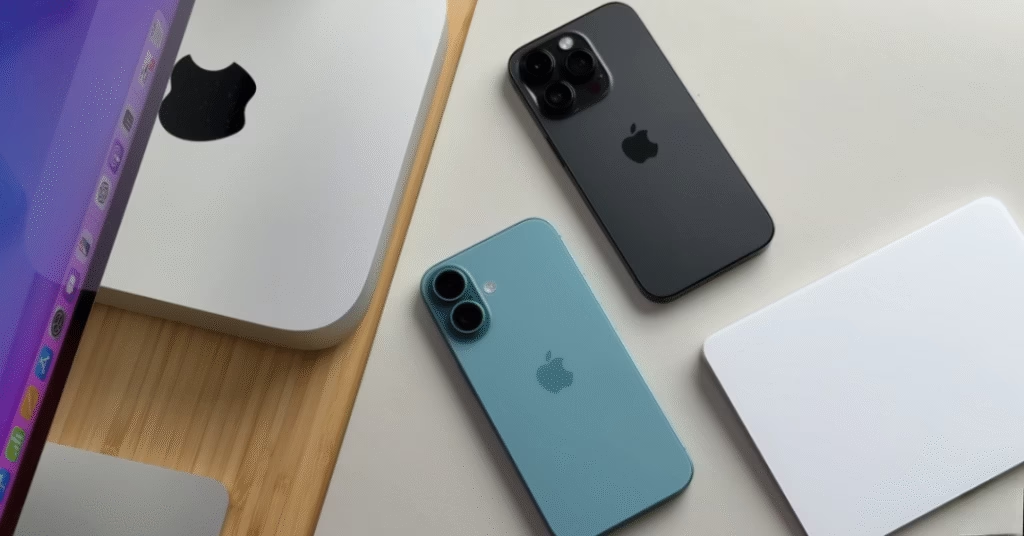
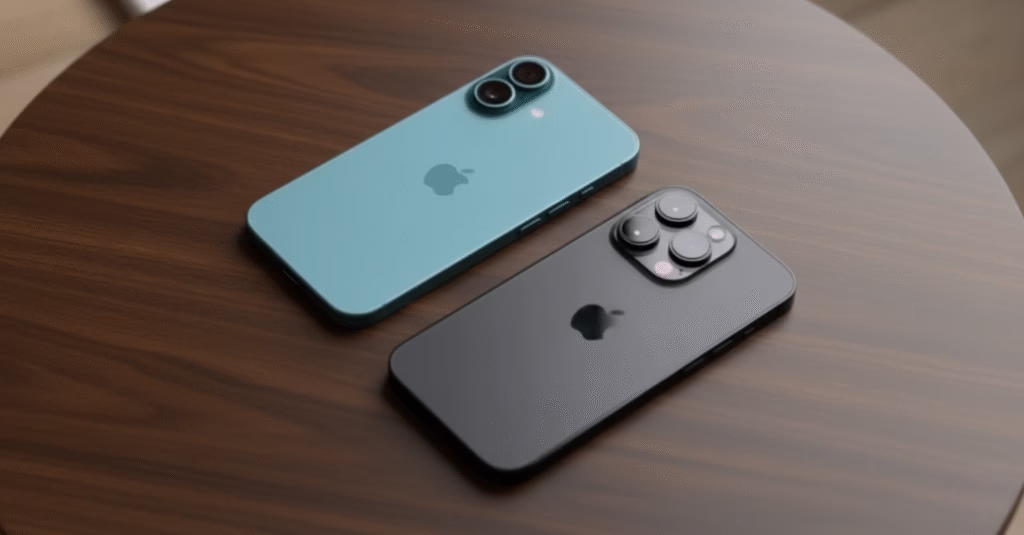
At first glance, both phones look strikingly similar, but there are subtle differences once you hold them. The iPhone 14 Pro has that classic premium feel with its polished stainless-steel frame and glass back. It feels more luxurious, like a true flagship phone. The iPhone 16, on the other hand, uses a matte aluminum finish on the sideslighter, but also a bit less “fancy.”
A big change with the newer model is the shift to USB-C. After years of Lightning ports, Apple finally moved to a universal connector on the iPhone 16. It’s a welcome change for people who already use USB-C on their laptops or iPads. The iPhone 14 Pro still uses Lightning, making it one of the last iPhones to do so.
The iPhone 16 also introduces two new physical buttons: the Action Button and a Camera Button. The Action Button replaces the traditional mute switch and can be customized for shortcuts. The Camera Button, placed on the lower right side, acts like a shutter keytap to take photos, press and hold for videos. It’s not customizable yet, but it adds a nice touch for quick photography.
Display Differences

Both phones feature a 6.1-inch OLED display, but this is where the 14 Pro still holds a strong lead. It uses Apple’s Super Retina XDR ProMotion panel with a 120Hz refresh rate, while the iPhone 16 is limited to 60Hz. The smoother scrolling and animations on the ProMotion screen are immediately noticeable if you’ve ever used it. The 16’s screen is still bright and colorful, but the lack of 120Hz makes it feel less fluid especially at this price point.
On the flip side, the newer model does have slightly slimmer bezels and a more modern front design. The Dynamic Island remains on both phones, offering that same familiar look and multitasking functionality. Overall, though, if you value smoothness and top-tier display performance, the 14 Pro still wins this round.
Camera Comparison
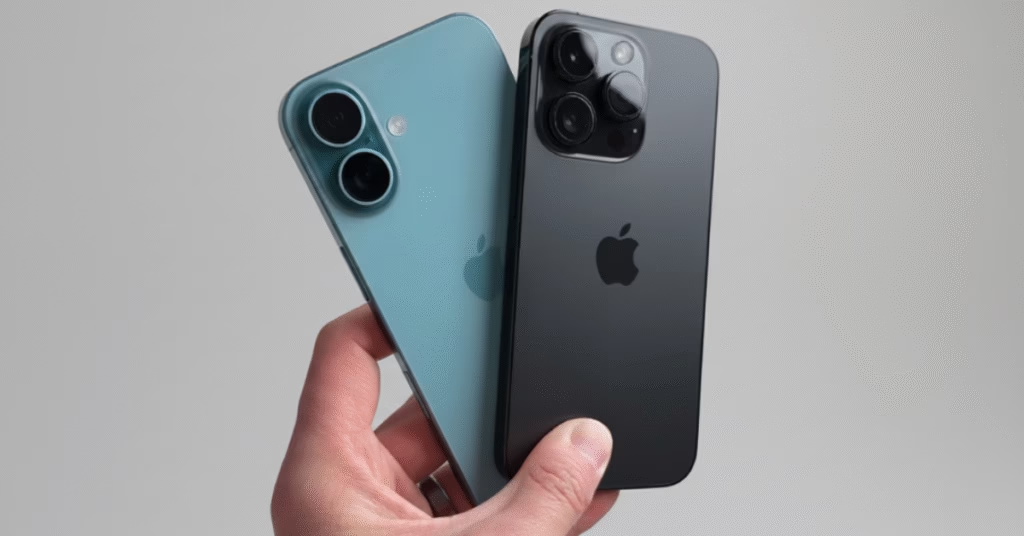
The iPhone 14 Pro comes with a triple-camera setup: main wide, ultra-wide, and telephoto lenses, along with a LiDAR scanner. The iPhone 16 uses a dual-camera setup, but Apple has improved the sensors and added new software features, like Spatial Video Mode. Spatial videos can be viewed in 3D on Apple Vision Pro headsetssomething the older model can’t do.
In terms of zoom, the 14 Pro still goes further with 15x digital zoom compared to the 10x on the 16. Both shoot excellent 4K videos at 60fps, and both support cinematic and slow-motion modes. However, the 16 benefits from Apple’s newer image processing and slightly faster capture speeds. So while the 14 Pro offers more flexibility with its third lens, the 16 takes advantage of modern computational improvements.
In simple terms, the 14 Pro might be the better choice for photography enthusiasts who like manual control and optical zoom, while the 16 leans more toward casual users who appreciate new camera tricks and easy shooting.
Performance and Speed
Under the hood, the iPhone 16 packs the A18 chip paired with 8GB of RAM. The iPhone 14 Pro uses the A16 Bionic with 6GB of RAM. In benchmarks and real-world use, the newer chip is faster and more efficient, but not drastically so. Everyday tasks like opening apps, scrolling through social media, or playing games run smoothly on both phones.
During speed tests, the iPhone 16 did open apps slightly faster, but the difference wasn’t dramatic. The 14 Pro still handles multitasking, gaming, and heavy use without breaking a sweat. Unless you’re doing high-end video editing or plan to keep your phone for seven years, the real-world difference will feel minimal.
Software and Longevity
One major advantage the iPhone 16 has is its software lifespan. Being two years newer, it should receive updates for about two years longer than the 14 Pro. Apple generally supports its devices for around six to seven years, so you can expect the iPhone 16 to get updates well into the 2030s, while the 14 Pro will likely be supported until around 2029.
Both currently run iOS 18 and offer similar features, so you won’t miss out on much today. The only question is how long you plan to keep your phone. If you upgrade every two or three years, this shouldn’t matter. But if you keep your devices for the long haul, the 16 naturally has a longer runway.
Battery and Charging
Battery life between the two is very close. The iPhone 16’s newer chip is more power-efficient, giving it a slight edge, but not by much. Both support MagSafe, wireless charging, and fast charging via cable. The switch to USB-C also makes the 16 more convenient; you can use the same charger for your laptop, iPad, and phone. That’s a big win for everyday use.
Real-World Experience
When comparing both side by side, the biggest difference you’ll notice isn’t performanceit’s the display refresh rate. The 14 Pro’s 120Hz panel just feels smoother, especially when scrolling through web pages or switching apps. The 16 feels like a step back in that area, which is surprising for a newer model.
However, the 16’s new buttons and USB-C port make it feel more modern. The addition of the Camera Button and the Action Button shows that Apple is moving toward more functional designs. For some users, these small additions may outweigh the loss of ProMotion.
In photography, both deliver excellent results, but the 14 Pro gives you that extra telephoto reach. The 16’s new spatial features are fun, but they’re more of a niche addition right now. And when it comes to handling, the aluminum sides on the 16 make it slightly lighter and more comfortable to hold, especially without a case.
Which One Should You Buy?
Here’s the honest take: both phones are great, but they cater to slightly different people.
- Go for the iPhone 14 Pro if you want a premium build, smoother display, and triple-camera flexibility. It still feels like a flagship, even in 2025, and you can find it for hundreds less than the 16.
- Choose the iPhone 16 if you prefer USB-C, want longer software support, and like the idea of new hardware features such as the camera button. It’s faster, slightly lighter, and more future-proof.
At the end of the day, the performance gap isn’t wide enough to justify upgrading if you already own the 14 Pro. For new buyers, the choice depends on what matters more: display and camera quality or future support and convenience.
Final Verdict
The iPhone 14 Pro feels like the smarter buy for most users in 2025. You’re getting a premium build, a smoother 120Hz display, and a full triple-lens camera system for less money. The iPhone 16 is undoubtedly modern, with USB-C and a faster processor, but its 60Hz display keeps it from feeling truly “next-gen.”
If you can find a well-kept iPhone 14 Pro, it remains one of Apple’s best balanced iPhones ever maderefined, capable, and still every bit a flagship. The iPhone 16 is great too, but it feels more like a continuation than a revolution.
Read Also iPhone 12 Pro max vs iPhone 13 Pro Max: Is the Old Kings Still Worth Holding On To?
FAQs (iPhone 16 vs 14 Pro)
Is the iPhone 16 better than the iPhone 14 Pro?
The iPhone 16 has a newer chip, USB-C, and longer support, but the 14 Pro offers a smoother 120Hz display and better camera setup.
Does the iPhone 16 have a ProMotion display?
No, the iPhone 16 is limited to 60Hz, while the iPhone 14 Pro supports 120Hz ProMotion for smoother visuals.
Which phone has a better camera?
The 14 Pro has three lenses, including a telephoto, while the 16 has two but adds Spatial Video. Both deliver great image quality.
Is the iPhone 14 Pro still worth buying in 2025?
Yes, it’s cheaper, still powerful, and offers premium build quality, making it a strong option even in 2025.
Does the iPhone 16 use USB-C?
Yes, the iPhone 16 finally switches to USB-C, replacing the Lightning port used on the iPhone 14 Pro.
Discover more from Phoonomo
Subscribe to get the latest posts sent to your email.