When Apple launches a new generation of iPhones, one question always pops up: is it worth upgrading? This year, the comparison between the iPhone 14 Plus and iPhone 16 Plus brings that question front and center again. Both phones share Apple’s premium DNA, but the iPhone 16 Plus carries subtle refinements that make it feel more polished and future-ready. Here’s a closer look at how these two devices stack up in design, performance, camera, and overall experience.
Design and Display
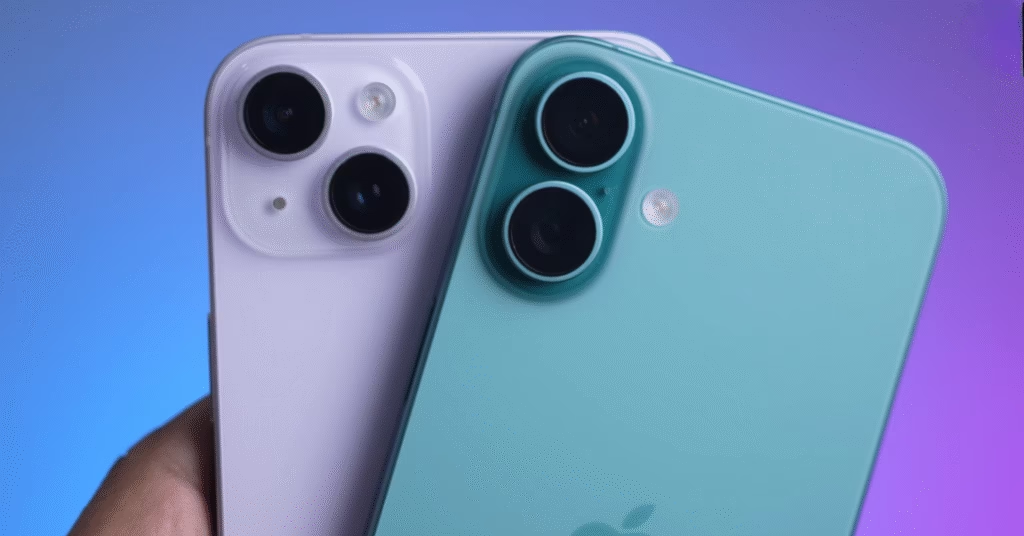
At first glance, the iPhone 16 Plus looks familiar, maintaining the same flat-edge design that Apple has kept since the iPhone 12. The size and weight are almost identical to the 14 Plus, but the newer model feels slightly more balanced in the hand. It still has the durable aluminum frame, Ceramic Shield front, and glass back, but the color options this year have a softer, pastel tone that feels fresh.
The display on both phones is stunning. Apple continues to use a Super Retina XDR OLED panel that delivers rich colors and deep blacks. However, the iPhone 16 Plus is noticeably brighter outdoors, making it easier to use under direct sunlight. Apple also added a subtle software tweak to enhance color accuracy for photos and videos, giving the newer phone a more true-to-life look.
One thing users might still miss is the ProMotion feature. Apple continues to reserve the 120Hz refresh rate for the Pro lineup, meaning both the 14 Plus and 16 Plus stick with a standard 60Hz display. Still, for everyday use, scrolling feels smooth, and animations are consistent.
Performance and Hardware
Under the hood, the iPhone 14 Plus runs on the A15 Bionic chip, the same processor that powered the iPhone 13 Pro models. It’s still fast, capable, and energy efficient. But the iPhone 16 Plus steps up with the A18 chip, bringing improved CPU and GPU performance and better AI processing for Apple’s new on-device intelligence features.
App loading times are slightly faster on the iPhone 16 Plus, and gaming performance benefits from better thermal management. More importantly, the newer chip supports Apple Intelligence features (available in selected regions), including smarter Siri interactions and writing tools integrated across apps. While not everyone will use these features right away, they make the phone feel more forward-looking.
Storage options remain similar, with both models offering up to 512GB. The iPhone 16 Plus, however, adds better memory management that helps with multitasking and handling large apps more efficiently.
Camera Upgrades
Cameras are where Apple continues to refine the experience rather than overhaul it. The iPhone 14 Plus already had a capable dual 12MP system, and the iPhone 16 Plus builds on it with a redesigned 48MP main sensor. The higher resolution allows for crisper photos, better low-light performance, and more flexibility in editing.
Daylight shots on the iPhone 16 Plus look a bit richer, with improved contrast and detail. The new Photonic Engine handles color tones beautifully, especially in tricky lighting. Night Mode has also seen minor improvements, with faster capture times and less noise.
Video quality remains one of Apple’s strong suits. Both phones shoot in 4K at 60fps, but the 16 Plus adds better stabilization and Smart HDR 5 for more dynamic range. If you’re into recording content or vlogging, the difference is noticeable smoother pans, brighter faces, and more realistic textures.
Battery and Charging
Battery life has always been a key selling point for the Plus models, and both phones perform admirably. The iPhone 14 Plus could easily last a full day and more, and the iPhone 16 Plus pushes that even further with slight efficiency gains from the A18 chip. In mixed usage streaming, browsing, and photography the newer phone can stretch comfortably beyond 20 hours.
Charging has seen some notable updates. The iPhone 16 Plus switches to a USB-C port (from Lightning on the 14 Plus) and offers improved charging performance. Both phones support 20W wired charging, but the iPhone 16 Plus features faster MagSafe wireless charging, supporting up to 25W (up from 15W on the 14 Plus). It’s not the fastest on the market, but Apple’s consistency means you get reliable performance and longevity over time.
Software and Features
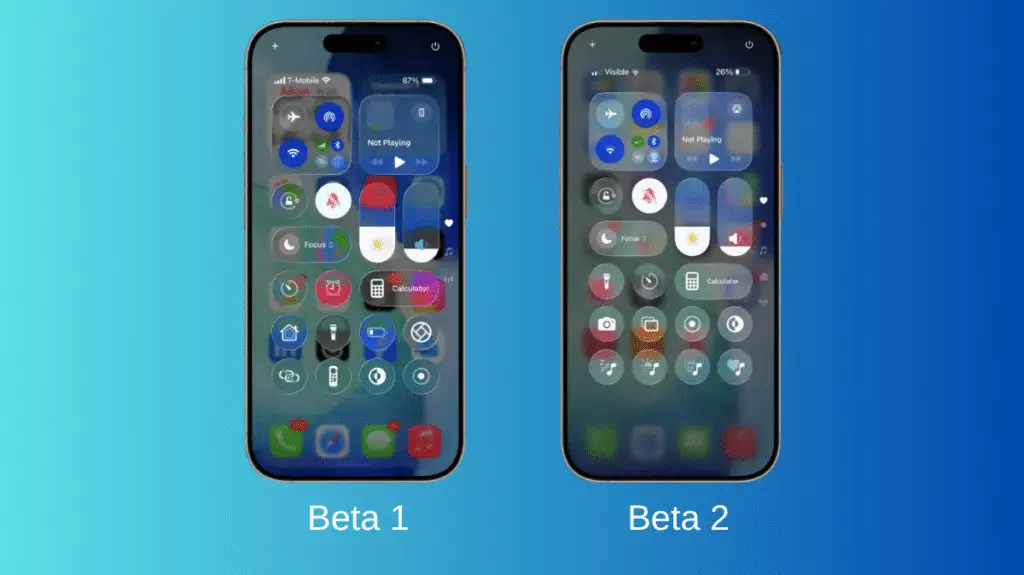
The iPhone 16 Plus ships with iOS 18, bringing several small but meaningful improvements. The redesigned Control Center, customizable lock screen shortcuts, and enhanced privacy controls give it a more refined experience. The integration of Apple Intelligence (where available) also adds smarter summarization tools and better predictive text.
Meanwhile, the iPhone 14 Plus continues to handle iOS 18 well, but it won’t support the full range of AI features since its chip isn’t optimized for them. If you value Apple’s future ecosystem, especially features like real-time transcription, photo cleanup, and improved Siri, the newer model makes more sense.
Connectivity and Audio
Both phones support 5G connectivity and include Bluetooth 5.3 along with satellite-based emergency features. However, the iPhone 16 Plus steps ahead with upgraded Wi-Fi 7 support, offering faster and more stable wireless performance compared to the 14 Plus. The audio performance hasn’t changed much both have excellent stereo speakers that deliver clear, balanced sound. However, the 16 Plus includes a slightly improved microphone system for cleaner voice pickup during calls and recordings.
Should You Upgrade?
If you’re using an iPhone 14 Plus, upgrading to the iPhone 16 Plus isn’t essential unless you want the latest chip or improved camera features. The design and display are nearly the same, and everyday performance on the 14 Plus remains excellent. But for users coming from an older iPhone like the 12 or 13 series the iPhone 16 Plus offers a meaningful jump in speed, photography, and battery life.
Apple has also made the 16 Plus more future-proof. Its A18 chip will likely receive longer software support, and the hardware is ready for Apple’s growing focus on AI-driven experiences. It’s the kind of upgrade that may not look radical on the outside but feels smoother, smarter, and more capable in day-to-day use.
Final Verdict
The iPhone 14 Plus vs iPhone 16 Plus comparison shows how Apple continues to refine rather than revolutionize. The new model delivers better performance, a stronger camera setup, and subtle quality-of-life improvements that make it a solid all-rounder. Still, it’s more of an evolution than a transformation.
For most users, the decision comes down to timing. If your current phone works fine, you can wait another year. But if you’re ready to step into Apple’s latest ecosystem with its smarter software and refined hardware the iPhone 16 Plus won’t disappoint. It represents the best of Apple’s non-Pro lineup: big battery, great camera, and effortless performance wrapped in a familiar but polished design.
See Also iPhone 15 Pro vs Pro Max: Still Worth It in 2025?
FAQs (iPhone 14 Plus vs iPhone 16 Plus)
When was the iPhone 16 Plus released?
Apple launched the iPhone 16 Plus in September 2025, alongside the rest of the iPhone 16 lineup.
Is the iPhone 16 Plus faster than the iPhone 14 Plus?
Yes, the iPhone 16 Plus runs on the A18 chip, which is faster and more efficient than the A15 in the 14 Plus.
Does the iPhone 16 Plus have better battery life?
It offers slightly longer battery life thanks to the improved efficiency of the A18 chip.
What’s new in the iPhone 16 Plus camera?
The new 48MP main sensor improves detail, low-light shots, and dynamic range compared to the iPhone 14 Plus.
Should I upgrade from iPhone 14 Plus to iPhone 16 Plus?
If you want better performance, AI features, and camera quality, the iPhone 16 Plus is a smart upgrade.
Discover more from Phoonomo
Subscribe to get the latest posts sent to your email.