AI has become the selling point of 2026, whether it’s on a phone, a laptop, or a tablet. Every launch promises smarter processing and better connectivity. Apple’s latest refresh follows that playbook but in a quieter, more calculated way.
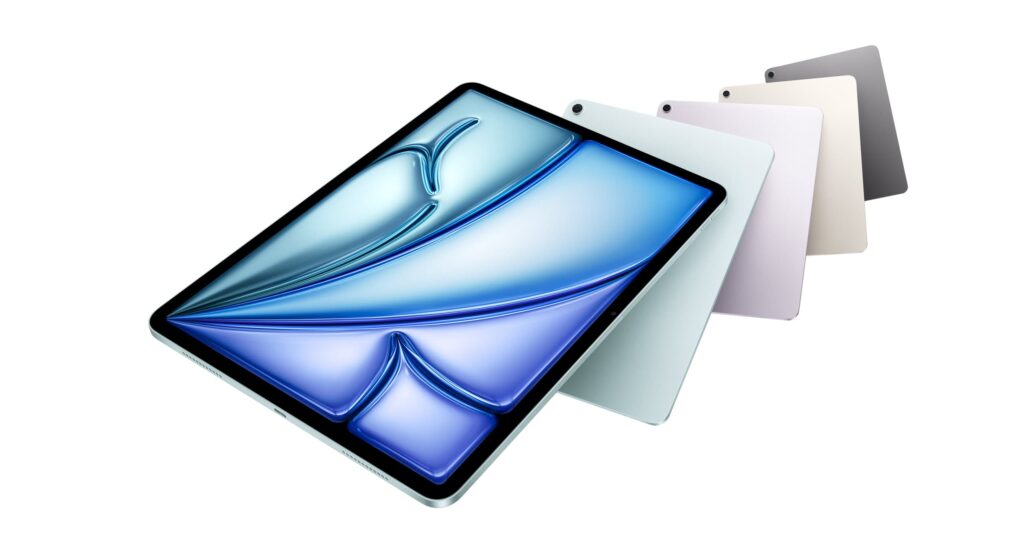
The new iPad Air M4 doesn’t look different. Same flat edges, same screen sizes, same overall design. But inside, Apple has made changes that shift its position in the lineup.
What’s new: M4 power and more headroom
The headline upgrade is the M4 chip, the same architecture pushing Apple’s latest Macs forward. Apple claims up to 30% faster performance over the M3 Air, but the more interesting number might be memory: the iPad Air now comes with 12GB of unified RAM, a major bump for multitasking and AI-driven workflows.
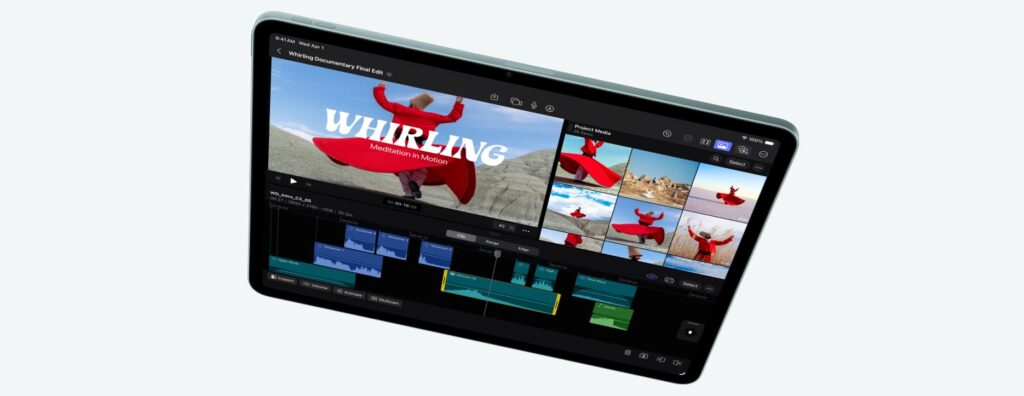
That matters if you:
- Edit 4K video
- Work across multiple Split View apps
- Use AI-assisted tools in creative software
- Rely on Stage Manager with external displays
This effectively narrows the real-world gap between Air and Pro for many users.
Wi-Fi 7: Future-proofing in plain sight

The other standout upgrade is connectivity. The Air now supports Wi-Fi 7, alongside Bluetooth 6 and Thread support.
On paper, Wi-Fi 7 means higher throughput and lower latency. In practice, it means smoother cloud gaming, faster large file transfers, and better performance in crowded networks assuming you have a compatible router.
Cellular models also get Apple’s updated modem system, promising stronger 5G efficiency.
It’s not flashy, but it’s strategic.
What didn’t change (and why that’s fine)
Apple kept the 11-inch and 13-inch LCD panels, Touch ID in the power button, and the same slim aluminum chassis. No OLED. No ProMotion.
That’s deliberate.
The Pro line still holds the premium display advantage, preserving its pricing tier. Meanwhile, the Air focuses on balanced performance at a more accessible starting point $599 for the 11-inch Wi-Fi model and $799 for the 13-inch.
Pre-orders open March 4, with availability starting March 11.
Competition check: Where does it stand?
Compared to high-end Android tablets like the Samsung Galaxy Tab S9, the Air now counters with stronger silicon efficiency and Wi-Fi 7 support. Against the iPad Pro, it offers similar processing architecture without the OLED premium.
In short, it’s no longer “almost Pro.” It’s the smart buy for most people.
The real issue: The Air was getting squeezed
The previous M3 version was capable, no question. Still, it lived in a slightly uncomfortable space. If you wanted cutting-edge display tech and maximum power, the iPad Pro was the obvious step up. If price mattered more than performance, the standard iPad made more sense. The Air, despite its name, felt caught between those two worlds.
The Air needed clearer separation.
Apple’s solution wasn’t cosmetic. It was computational.
The bigger picture
This update isn’t about redesigning the iPad Air. It’s about repositioning it.
By adding M4 power, 12GB of RAM, and next-gen wireless tech without raising the base price Apple has made the Air harder to ignore. It’s now powerful enough for demanding users while staying below Pro territory.
That’s a calculated move.
Bottom line
If you’re on an older iPad (M1 or earlier), the jump to the iPad Air M4 is substantial. If you’re using the M3 Air, the upgrade is more about future-proofing than necessity.
But here’s the takeaway: the iPad Air just became Apple’s most strategically important tablet again.
And for most buyers in 2026, it might be the sweet spot.
Discover more from Phoonomo
Subscribe to get the latest posts sent to your email.