The Galaxy S26 Ultra has officially landed, and after spending some early hands-on time with Samsung’s newest flagship, there’s quite a bit to unpack. This isn’t a full review that will come later with proper long-term testing but even from a first encounter, it’s clear Samsung is pushing refinement rather than radical reinvention this year. Some changes are subtle, others are genuinely interesting, and one new feature in particular could end up being the headline upgrade once people start using the phone in the real world.
Samsung’s launch cycle has shifted slightly this time around. Last year’s S25 lineup arrived in January, while the new series appeared in February, catching some observers off guard. Timing aside, the company has rolled out the full family: the S26, the S26 Plus, the Ultra model, and the new Buds 4 Pro. But the flagship is where most of the attention naturally lands, and that’s exactly where this hands-on focus stays.
Familiar Design, Slightly Refined
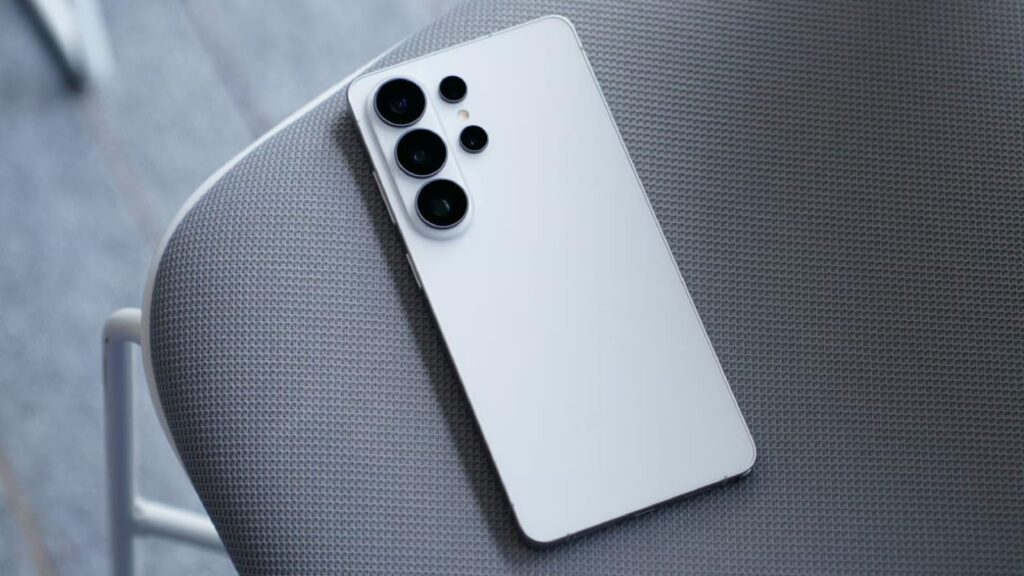
At first glance, the phone looks familiar. Samsung clearly isn’t trying to reinvent the design language overnight. Instead, the company has trimmed and polished what was already working. It’s now the slimmest Ultra device the brand has produced, coming in 0.3 mm thinner and about 4 grams lighter than the previous generation.
On paper, that sounds meaningful. In the hand, the difference is noticeable but not dramatic. This still feels like a substantial premium phone, just slightly more refined.
The design shift becomes more obvious when you look at the corners. The new model adopts more rounded edges compared to the boxier feel of the S25 Ultra. It gives the device a softer, more comfortable grip without losing that purposeful flagship look Samsung fans expect.
There is one small quirk, though. Because of the rounded internal design, the S Pen can technically be inserted the wrong way and sit slightly misaligned. It doesn’t damage the stylus and it still works, but detail-oriented users will definitely notice it.
Colors and Overall Look
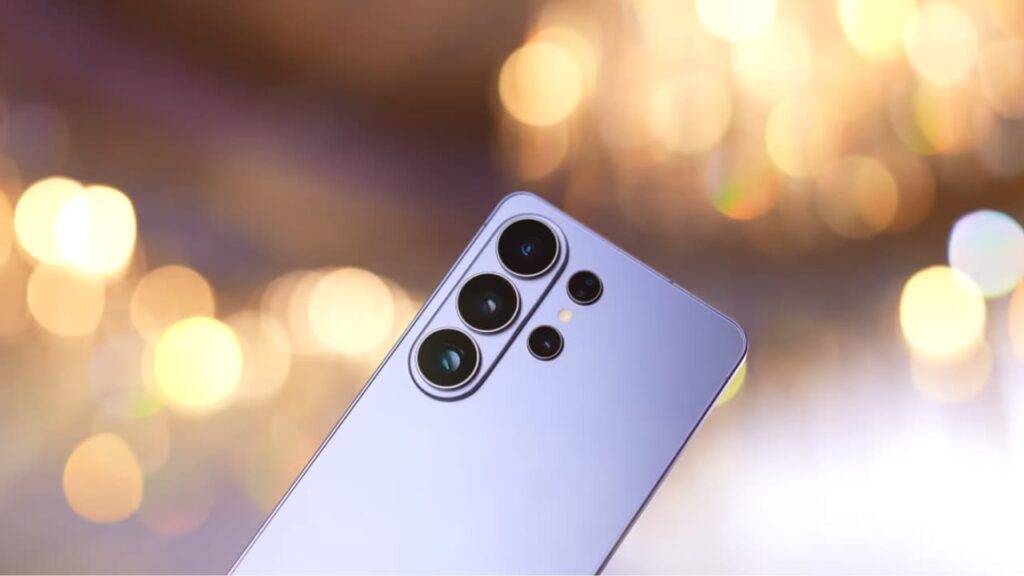
Visually, Samsung is sticking with a clean, professional aesthetic. The standout finish this year is cobalt violet, which serves as the hero color. It looks sharp without being overly flashy.
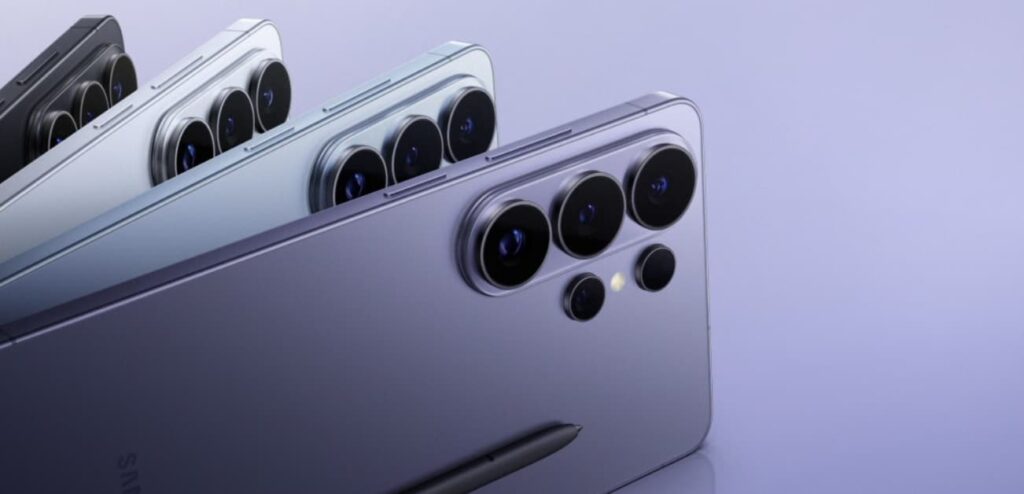
As usual, Samsung is also offering some exclusive online finishes for buyers who want something a bit more distinctive. Overall, the phone still carries that premium, purposeful look that Ultra devices are known for.
The New Privacy Display Explained
One of the most talked-about additions this year is the built-in privacy display feature. In simple terms, the screen can selectively dim pixels depending on viewing angles.
If someone tries to glance at your screen from the side of the classic shoulder-surfing situation the content becomes much harder to see. Looking straight at the display, everything remains bright and clear.
In practice, it doesn’t make the screen completely invisible from the side, but it does make casual snooping far more difficult. What makes Samsung’s implementation interesting is that this happens at the hardware level rather than through an aftermarket screen protector.
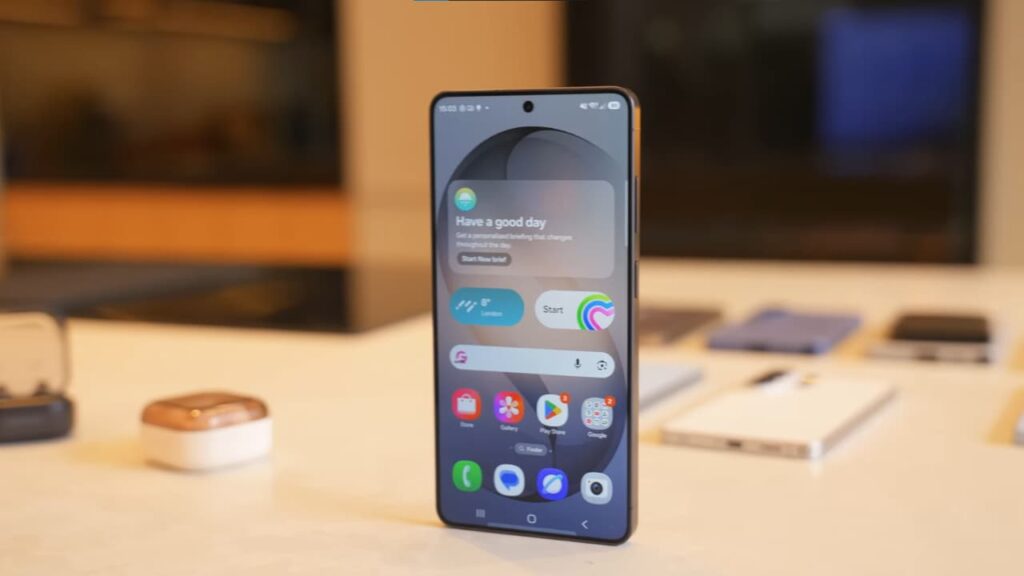
Users can also customize how it works. You can trigger it at certain times of day, tie it to specific apps like banking software, or activate it quickly from the settings panel. There’s even a maximum privacy mode that increases the effect further, though that does slightly dim the overall display.
Importantly, when viewed head-on, the screen still looks excellent. Colors remain vibrant, brightness is strong, and Samsung’s anti-reflective coating continues to impress.
Battery and Charging Improvements
Battery capacity hasn’t changed this year, which may raise a few eyebrows given the slimmer body. However, charging speeds have improved.
Wired charging now reaches 60W, with Samsung claiming around 75 percent in roughly 30 minutes. Wireless charging sits at 25W. Real-world endurance still needs proper testing, but faster top-ups are always welcome, especially for power users.
Camera Changes Focus on Real Gains
Camera upgrades focus less on headline megapixel jumps and more on meaningful refinements. The main sensor remains at 200 megapixels, but Samsung has widened the aperture to f/1.4. According to the company, this should deliver up to 47 percent better low-light performance.
The 3x telephoto camera gets a new sensor aimed at improving HDR results, while the 5x zoom lens now features a wider f/2.9 aperture.
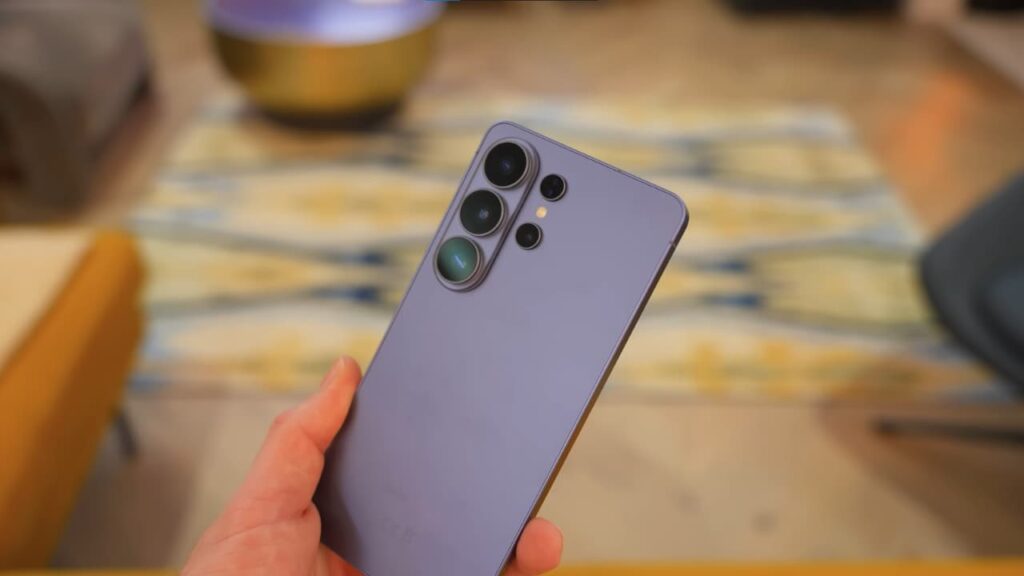
From limited indoor testing, the system looks promising, though final judgment will depend on extended real-world shooting.
360-Degree Horizontal Lock for Video
What did stand out immediately is a new video stabilization feature called 360-degree horizontal lock.
The idea is simple but clever. When filming moving subjects like skiing, cycling, or even just walking footage the phone works to keep the horizon level even if your hand movement isn’t perfectly steady.
Early demos were impressive. Even with deliberate hand movement, the footage stayed surprisingly stable. Whether it holds up in more challenging outdoor conditions remains to be seen, but it’s the kind of practical improvement many creators will appreciate.
AI Moves Toward Real Assistance
Artificial intelligence continues to be a major pillar of Samsung’s strategy, though understandably there is growing fatigue around AI marketing in general.
The company is leaning heavily into what it calls agentic AI essentially moving beyond reactive features toward systems that anticipate user needs.
A simple example helps illustrate the goal. If someone texts asking whether you’re free next Wednesday, the phone can automatically check your calendar behind the scenes and suggest a reply based on your availability.
Similarly, when discussing a past trip in messages, the system can quickly surface relevant photos from your gallery for easy sharing.
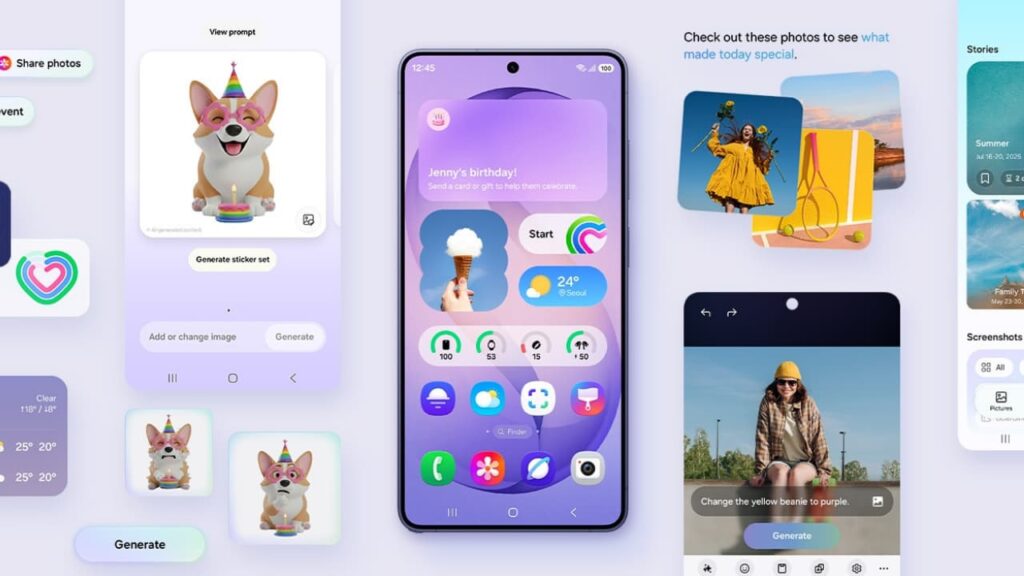
Another practical addition is expanded automation. The device can handle certain app interactions on your behalf, such as initiating a ride request without requiring manual navigation through the interface.
There is one limitation at launch. Some of these advanced AI features will initially be available only in the United States and Korea, with wider rollout expected later.
Audio Eraser Gets More Useful
Audio Eraser also returns with useful improvements. Originally introduced to help clean up background noise in recorded videos, the tool can now operate within third-party apps.
That means you can adjust audio balance even while watching content elsewhere on the device. It’s a small change on paper but could prove surprisingly handy.
Smarter Bixby Experience
Bixby also receives a quiet but meaningful upgrade. The assistant is becoming better at understanding natural language requests, particularly when it comes to adjusting phone settings.
Instead of digging through menus, users can describe the problem such as the screen being too bright and Bixby can guide them directly to the relevant controls. It’s the kind of usability improvement that may go unnoticed in spec sheets but matters in daily use.

Pricing and Storage Changes
Pricing has shifted slightly this year. Samsung has removed the 128 GB option from the S26 and S26 Plus, meaning both now start at 256 GB. While that’s good news for storage, it does push the entry price higher.
Interestingly, the base Ultra model sees only a modest increase compared to the rest of the lineup.
Samsung is also running its usual launch promotions, including temporary double-storage offers in some markets. As always, many buyers will likely purchase through carrier plans, which tends to soften the impact of price changes.
The Unexpected Dark Horse
While the flagship naturally grabs headlines, there’s an argument to be made that the standard S26 could be the sleeper hit of the lineup.
It gains a larger battery and a slightly bigger display at 6.3 inches, potentially making it the more balanced choice for many users.
One point of discussion will be the processor split. In certain regions, the Ultra model uses Qualcomm’s latest Snapdragon chip, while the S26 and S26 Plus rely on the new Exynos 2600 outside the U.S. and China.
Samsung claims significant performance improvements with the new Exynos platform, built on a 2-nanometer process. On paper, the gap between chips is narrowing, and software optimization continues to improve.
Early Verdict After Hands-On
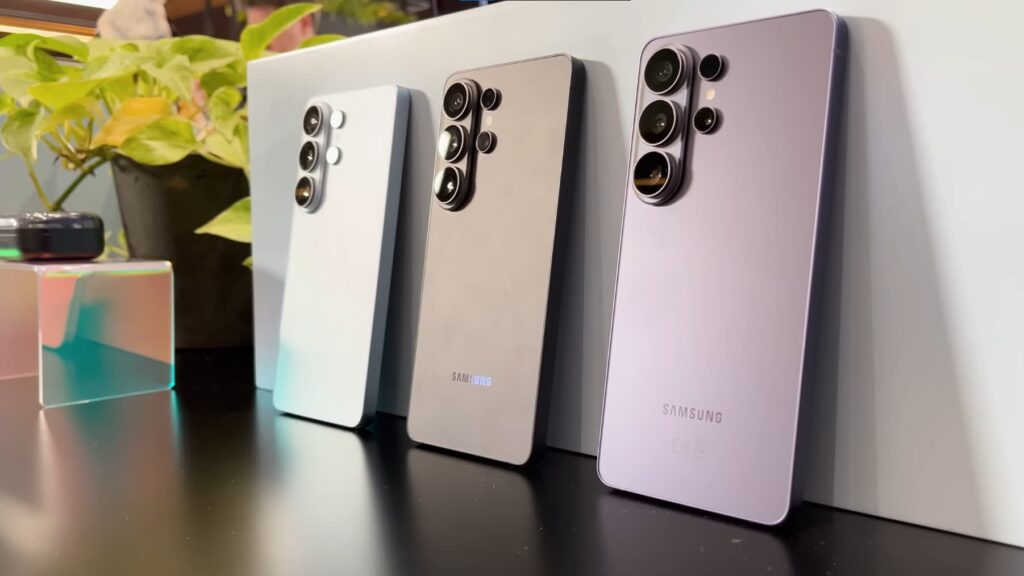
Stepping back, the overall impression after early hands-on time is that Samsung is playing a careful game this year. Instead of chasing flashy redesigns, the company is refining the experience in ways that could matter more over time.
The slimmer body, smarter privacy features, improved charging, and AI automation all point toward a device focused on everyday usability rather than headline-grabbing gimmicks.
Of course, the real verdict will come after extended testing. Battery endurance, sustained performance, camera consistency, and long-term software behavior will ultimately determine how this flagship stacks up against its rivals.
But based on first impressions, Samsung hasn’t stood still. It has quietly polished nearly every corner of the experience.
For buyers already invested in Samsung’s ecosystem, the Galaxy S26 Ultra looks like a confident evolution rather than a risky leap. And for anyone considering an upgrade from an older device, the combination of hardware refinement and smarter software may prove more compelling than the spec sheet initially suggests.
Discover Also OneUI 8.5 All The Changes Explained!
Discover more from Phoonomo
Subscribe to get the latest posts sent to your email.