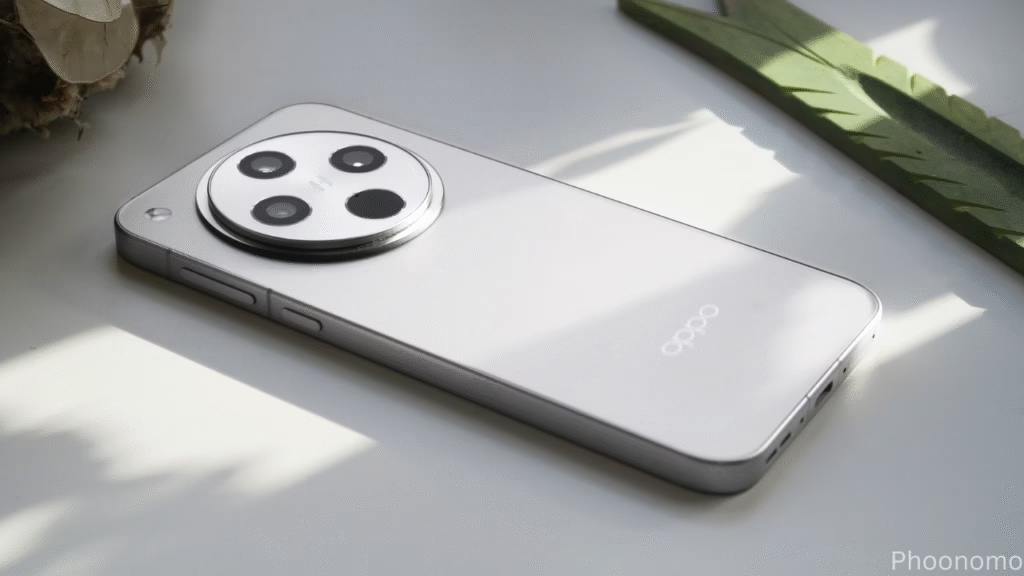
New reports suggest both Apple and OpenAI are accelerating work on next-generation AI wearables, but the push is already sparking industry debate around privacy, usefulness, and whether such devices can truly replace smartphones.
On Apple’s side, the company is reportedly developing an AI-powered wearable roughly the size of an AirTag. The device is said to include dual cameras, three microphones, a speaker, and wireless charging, and could arrive around 2027 if development stays on track.
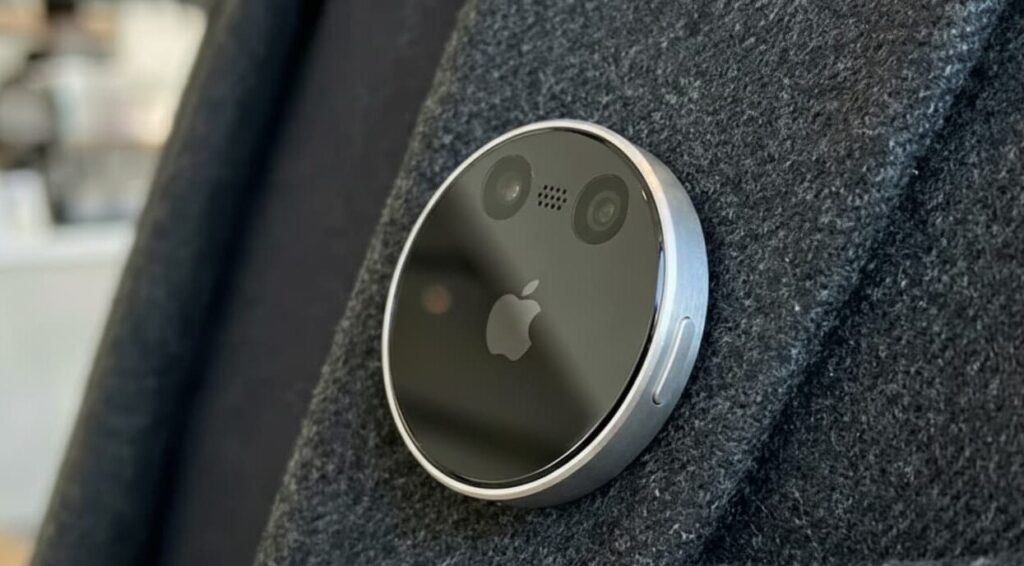
The broader strategy may also include smart glasses and camera-equipped AirPods designed to feed real-world context into an upgraded Siri experience.
Meanwhile, OpenAI is working on its own dedicated AI hardware project in collaboration with former Apple design chief Jony Ive. The company is targeting a first reveal in the second half of 2026, with the product expected to be a small, possibly screen-free wearable built for constant AI interaction. Manufacturing preparations are reportedly underway, with Foxconn linked to the project.
However, the emerging category is already facing skepticism. Analysts warn that camera- and microphone-equipped wearables could create significant privacy concerns, since they continuously capture surroundings, faces, and voices.
Social acceptance is another open question; earlier devices like Google Glass faced backlash and were even banned in some venues due to surveillance fears.
There are also practical hurdles. Previous attempts such as Humane’s AI Pin struggled with usability and failed to gain traction, highlighting how difficult it is to replace or meaningfully complement smartphones.
OpenAI’s own project is reportedly dealing with challenges around computing power, assistant behavior, and privacy expectations before launch.
Discover more from Phoonomo
Subscribe to get the latest posts sent to your email.