Every year, the moment Android’s beta opens up to non-Pixel devices is the moment the enthusiast internet goes slightly unhinged. Suddenly everyone wants to know if their phone is supported, what’s new, and whether they should flash it immediately. The answer to that last question this year is a firm, emphatic no but that doesn’t make the news any less exciting.
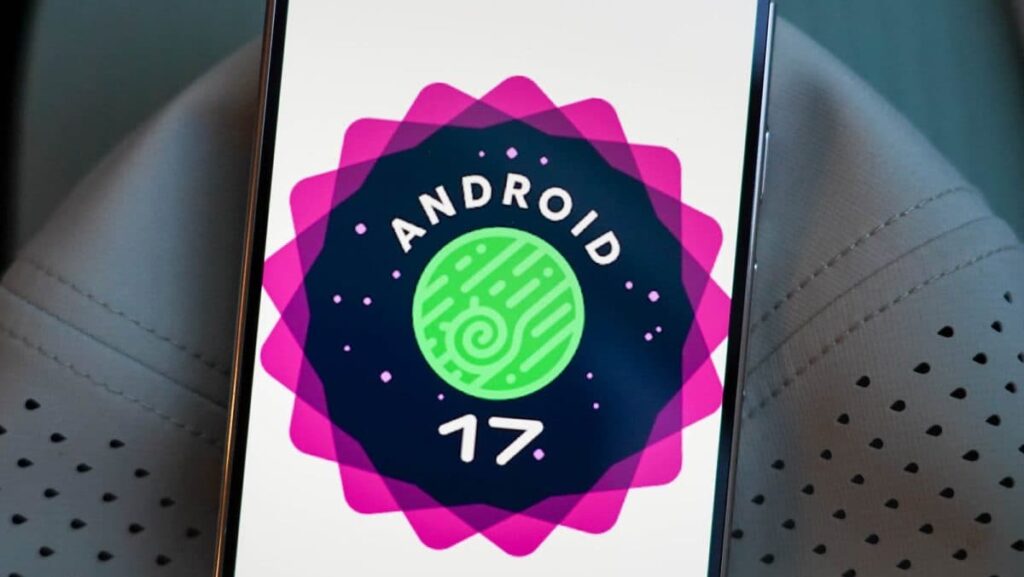
Google has officially opened Android 17 Beta 2 beyond Pixel devices for the first time, with the OnePlus15, Oppo Find X9 Pro, and Realme GT 8 Pro becoming the first third-party phones to join the testing program. If you own any of those, you can install it right now. You almost certainly shouldn’t but you can.
Let’s talk about why you shouldn’t first, because it’s important. Both OnePlus and Oppo have published warning lists that read more like horror stories than release notes. Installing Android 17 Beta 2 will completely wipe your device data. The system suffers from screen flickering and random crashes across apps. Google Cast doesn’t work at all. And if you don’t follow the installation instructions exactly, there’s a genuine risk of bricking your phone entirely. T-Mobile and Verizon variants of the OnePlus 15 aren’t even compatible. This is beta software in the truest, roughest sense an engineer’s testing ground, not a consumer experience.
Pixel owners have had access since Beta 1 landed February 13 and Beta 2 on February 26, covering everything from the Pixel 6 through Pixel 10 series. The third-party expansion follows a pattern Google has been building for years bringing more OEM partners into the early testing cycle to catch hardware-specific issues before the stable release.
That stable release is targeting June 2026 and notably, Google has shortened the beta runway this year. There’s no additional beta expected before launch, thanks to a new Canary channel that lets Google push experimental changes year-round without disrupting the main beta branch. It’s a smarter development pipeline, and it shows.
The features already confirmed in Android 17 are genuinely compelling. Native App Lock lets you lock individual apps with a fingerprint or PIN long-press any icon to access it, no third-party app required. App Bubbles turn any app into a floating window, moveable anywhere on screen. Separate Wi-Fi and mobile data toggles are back after being merged into a single “Internet” button since Android 11 a controversial change that many users never stopped complaining about. There’s also an EyeDropper app for system-wide colour picking, stronger OTP message protection, and native game controller remapping that reduces dependence on in-game settings.
Compare this to Apple’s iOS 27 rollout also heading to WWDC in June and the two platforms are tracking on remarkably similar timelines. iOS 27 brings the Siri overhaul and Liquid Glass redesign; Android 17 counters with App Bubbles, App Lock, and a cleaner system UI. Both represent meaningful generational steps rather than incremental polish.
Samsung’s One UI 8.5, based on Android 16, is already shipping on the Galaxy A57 and S26 series. When Android 17 stable lands in June, Pixel gets its first Samsung, Xiaomi, and other manufacturers are expected to begin their stable rollouts in Q3 2026, with most supported devices updated by October.
The codename, since you’re wondering, is “Cinnamon Bun” Google abandoned public dessert names with Android 10 but continues using them internally. It’s a fitting name for a release that’s warm, familiar, and better than expected.
Stable release is June 2026. If you own a OnePlus 15, Oppo Find X9 Pro, or Realme GT 8 Pro and want to test early, the beta is live, just back everything up first, and know what you’re getting into.
Discover more from Phoonomo
Subscribe to get the latest posts sent to your email.