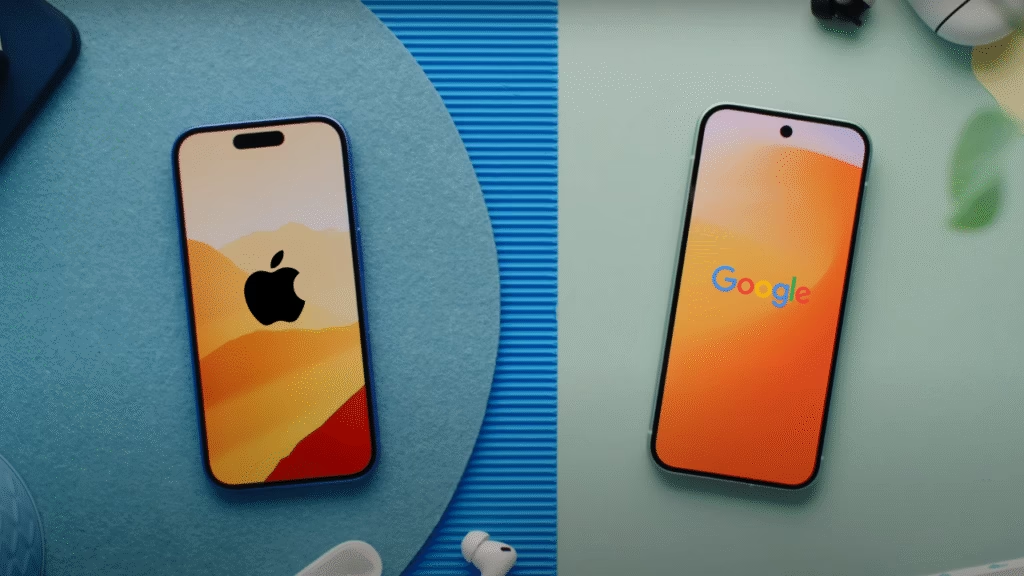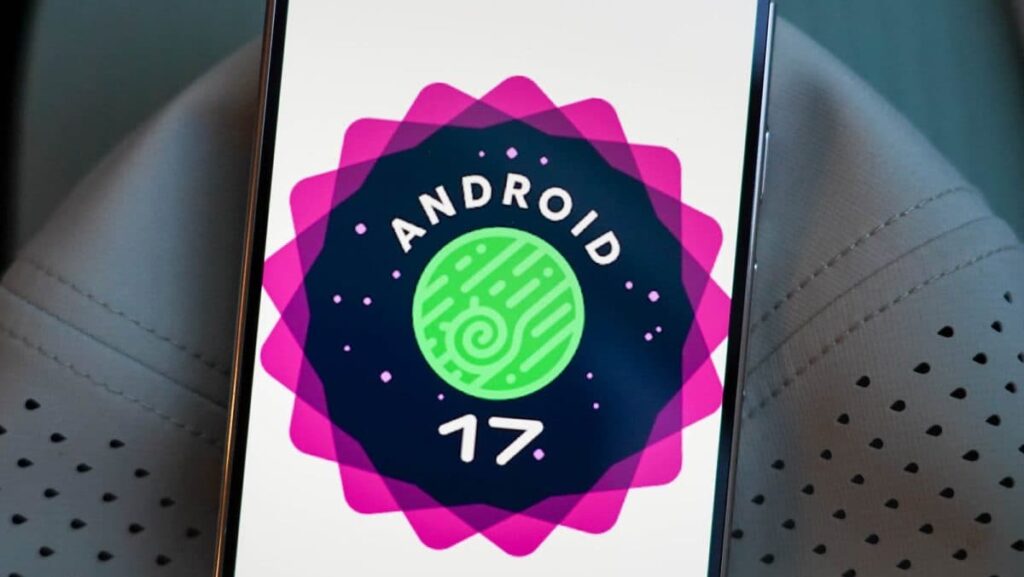
Android 17 officially rolled out in June 2026 starting with Pixel devices and instead of chasing another visual redesign, Google focused on making the OS genuinely work better. Multitasking, AI, security, and creator tools take center stage this time around.
The biggest functional change is “Bubbles” a floating app system that lets you run apps in small movable windows and switch between them instantly without leaving your current screen. On foldables and tablets, a dedicated bubble bar makes navigation between multiple apps significantly faster. It’s the kind of multitasking flexibility that Samsung’s DeX and various third-party launchers have approximated for years, now built natively into Android itself.
Content creators get a genuinely useful new tool Screen Reactions lets you record your screen and selfie camera simultaneously with a built-in overlay, perfect for tutorials and social content without needing third-party recording apps. Gaming on foldables also gets dedicated attention; a split layout puts the game on top with controls below, paired with better controller remapping support and reduced frame drops.
Security improvements are substantial. Temporary location sharing replaces permanent access grants for apps that only need your location briefly. The anti-theft “Mark as lost” system got faster, suspicious app detection improved, and PIN brute-force protection now includes stronger delay mechanisms to slow down attackers.
AI integration deepens through expanded Gemini-powered productivity tools and advanced media creation features currently exclusive to Pixel devices, with broader automation capabilities expected to roll out later in 2026. Under the hood, better memory management and app memory limits should mean fewer slowdowns during heavy multitasking, alongside battery optimization improvements.
Rollout follows the usual pattern Pixel 6 and newer get it first, with Samsung, Xiaomi, OnePlus, and other manufacturers following throughout the rest of 2026. Foldable devices specifically get priority for the new multitasking optimizations given how directly they benefit.
The development timeline ran beta testing from February through April, platform stability locked in March, and the stable release landed in June right on Google’s expected schedule.
If you own a Pixel, check Settings → System Update right now. Android 17 is less flashy than past releases but it’s doing more meaningful work under the hood than any update in recent memory.
Discover more from Phoonomo
Subscribe to get the latest posts sent to your email.