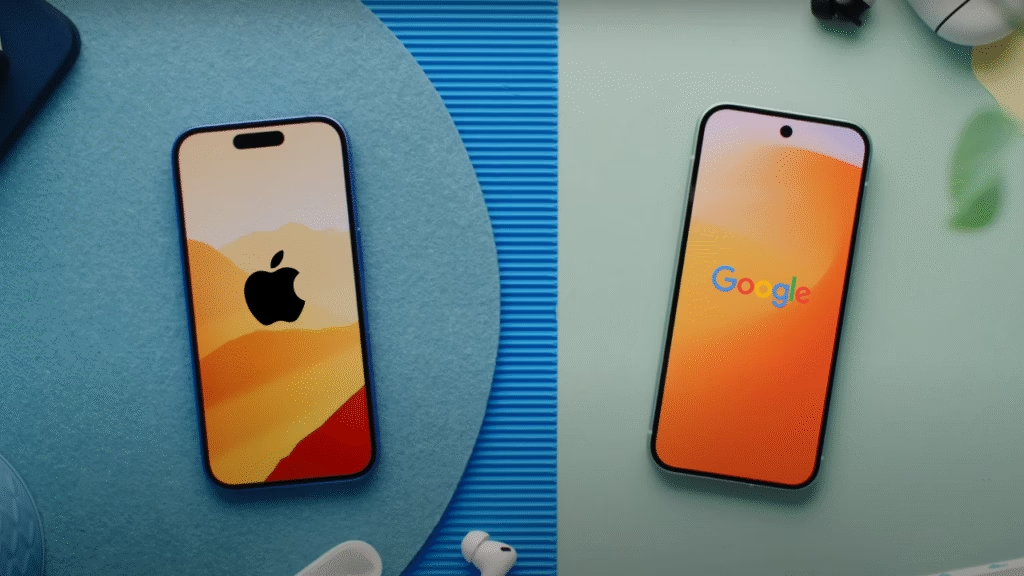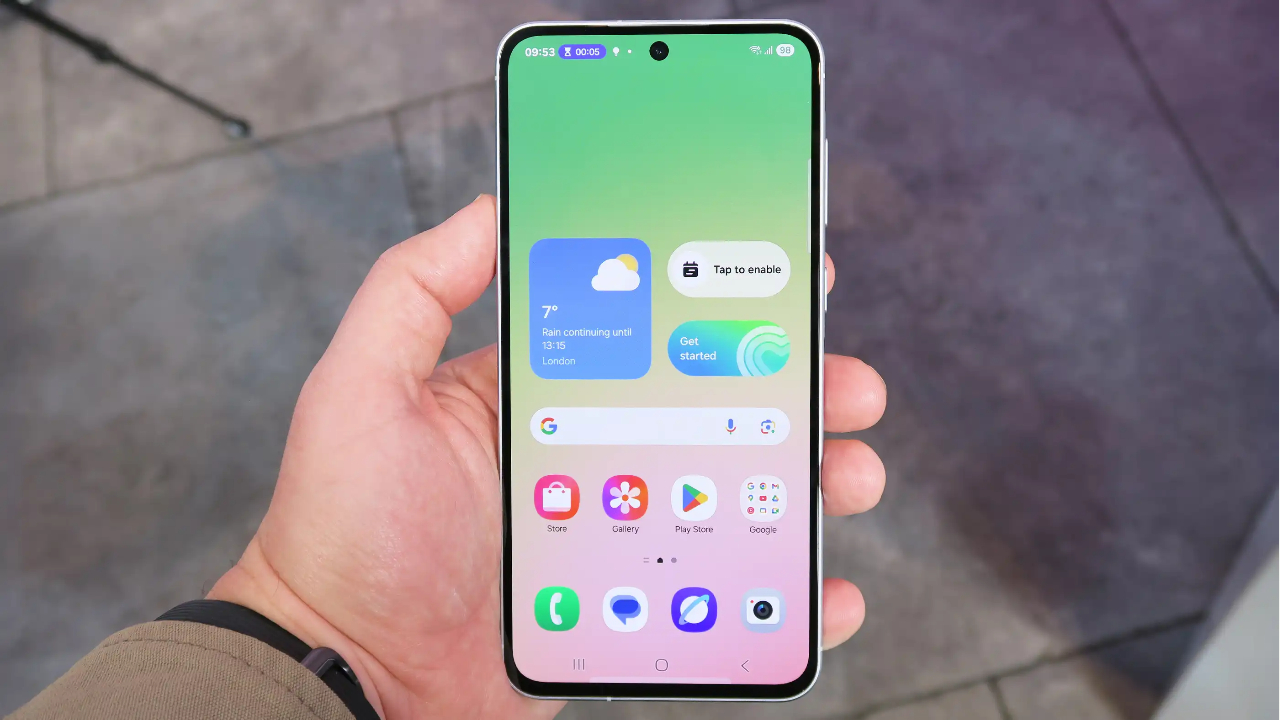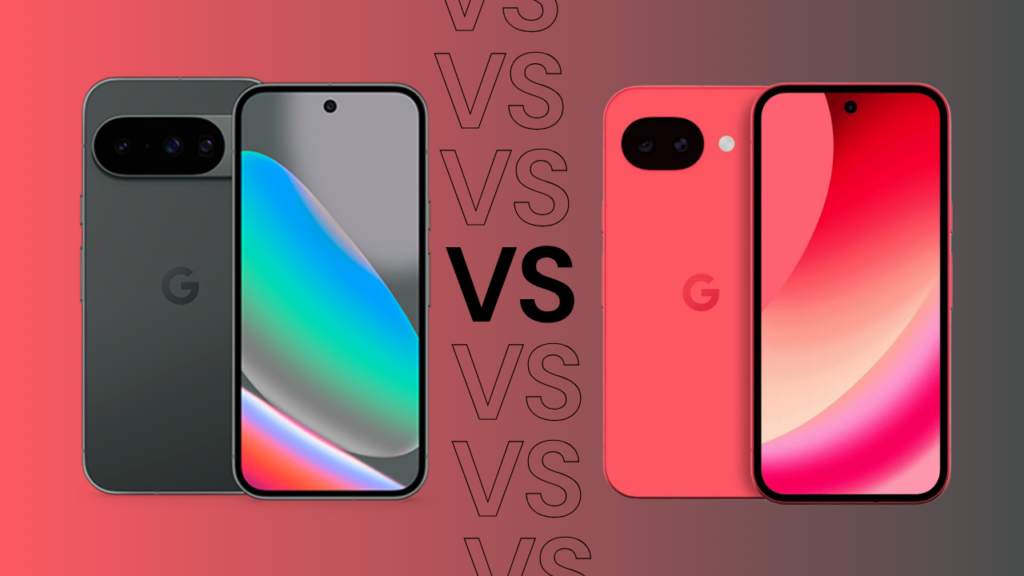
For the past few years, buying a Pixel has been genuinely confusing. The A series kept creeping so close to the base model that most people ended up asking the same question every single time: why would anyone spend more? The gap was almost invisible. But 2026 is different. For the first time since the Pixel 6A launched with proper flagship specs at a lower price, Google has actually separated these two phones in a way that matters. The pixel 10 vs pixel 10a debate is real this year, and the answer isn’t as obvious as it used to be.
Design: They Look Similar But Feel Completely Different
Pick up both phones and the first thing you’ll notice is how alike they look. Same general shape, same Pixel DNA, similar screen size. But spend five minutes with each and the difference in feel is immediately obvious.
The Pixel 10 has this dense, premium quality to it. Gorilla Glass Victus 2 on the front, a polished back, satin aluminium frame edges genuinely feels expensive in a way that makes you want to use it without a case. It’s a small, well-built slab that sits confidently in your hand.
The Pixel 10a goes a different direction. It keeps that bump-free, uni-body design that made the 9a so refreshing last year and it’s actually even flatter this time around because the camera sits completely flush with the back panel. That’s a genuinely nice touch. The materials are cheaper, yes, but the totally matte finish disguises that better than you’d expect. It looks more premium than it probably should for the money.
Where things get frustrating is the weight gap. The Pixel 10 is over 20 grams heavier, and while that sounds like nothing on paper, you feel it immediately when switching between them. The other thing that genuinely stings is the absence of Pixel Snap on the 10a. It’s one of the best new additions to the Pixel 10 and losing it means you’re either adding a case or an accessory extra bulk, extra cost. Feels like an easy win Google left on the table.
One more thing worth flagging: the 10a is actually slightly taller than the Pixel 10 by about a millimeter. So if you’re considering the 10a because you want a smaller phone it isn’t one.
Display: The Screens Are Almost Identical Almost
Both phones hit that impressive 3000 nit peak brightness, both run at 120Hz, and both have the adaptive tone function, a first for the A series, which is worth celebrating. You also get an optical fingerprint scanner on the 10a versus the ultrasonic sensor on the Pixel 10. The ultrasonic is faster and more reliable, but in day-to-day use, most people won’t lose sleep over it.
The screens themselves are genuinely hard to tell apart in real use. The Pixel 10 can sustain peak brightness for slightly longer, which may matter to some people in very bright outdoor conditions. Bezels are marginally bigger on the 10a. That’s really it.
Speaker quality is a clearer gap though. The Pixel 10 has noticeably deeper, fuller bass. The 10a speakers aren’t bad, they’re fine for videos and calls but they’re not in the same league.
Performance: Same Enough, Different Enough
Day-to-day, you probably won’t notice a massive difference between these two phones. The Tensor G4 in the 10a handles everything without breaking a sweat messaging, browsing, social media, streaming. It’s the same chip that served the 9 series well last year.
The Pixel 10’s Tensor G5 isn’t dramatically stronger, but it is stronger. The efficiency gains are where it actually shows smoother UI, less chance of the occasional lockup, better sustained performance over time. Paired with an extra 4GB of RAM, the Pixel 10 just feels more composed under load.
Storage is worth noting too. If you go for the 256GB Pixel 10, you get faster UFS 4.0 storage. The 128GB base model uses UFS 3.1 same as the 10a so if most of you are picking up the cheapest option anyway, that gap disappears entirely.
The chipset difference does mean the 10a misses out on a handful of features. Pixel Screenshot and Magic Q aren’t available. Satellite SOS is Pixel 10 only. You do still get Pixel Studio, Pixel Journal, and the core AI camera tools so it’s not a devastatingly long list of missing features, but it’s worth knowing before you buy.
Cameras: Basically the Same, Except One Thing
Here’s something that will genuinely surprise people. The main wide camera and the ultrawide lens on the back of both phones are completely identical. Same sensors, same processing, same results. Side by side photos are nearly impossible to tell apart; occasionally the 10a runs slightly cooler in white balance, but that’s likely just auto settings rather than any real quality difference.
The one area where the Pixel 10 actually pulls ahead is the telephoto. The base Pixel model gets a 10.8MP 5x optical zoom lens this year, a first for the non-Pro lineup with AI-enhanced zoom up to 20x. The 10a tops out at 8x digital zoom. Beyond 5x, the Pixel 10 is in a different class entirely.
The 10a also misses the ultrawide selfie option and has no autofocus for pets on the front camera. Nice-to-haves rather than dealbreakers, but worth knowing. Bottom line: if the telephoto matters to you, the Pixel 10 wins cleanly. If it doesn’t, these cameras are essentially the same phone.
Battery: Bigger Isn’t Always Better Here
The Pixel 10a actually has the larger battery at 5,100mAh versus the Pixel 10’s 4,970mAh. You’d expect the 10a to outlast it. In reality, the difference is negligible and the reason is the G5 chip’s efficiency gains in the Pixel 10 largely cancel out the capacity advantage.
Both phones will get most people through a day. Neither will get heavy users through two days without anxiety. Charging speeds remain a weakness across the Pixel lineup; wired speeds sit around 30W but test lower in practice, and wireless tops out at 15W on the Pixel 10 and 10W on the 10a. The 10a actually gets a wireless charging bump over last year’s 9a, which is progress, but the competition is still leaving both phones behind here.
So Which One Should You Actually Buy?
This is where it gets interesting and a little uncomfortable for Google.
The Pixel 10a is essentially a Pixel 9a with a new coat of paint. Same chip as last year, same camera system, same design language. It’s not a bad phone. It’s just not a meaningful upgrade for anyone already on a 9a.
Here’s the real situation: the Pixel 9a is currently sitting at $399 on Amazon, $100 cheaper than the 10a and giving up almost nothing. Same Tensor G4, same cameras, same everyday experience. It’s a genuinely hard phone to argue against at that price.
And if you’re buying fresh with no previous Pixel to trade in, the Pixel 10 has come down close enough in pricing in many regions that the jump starts to make real sense. Telephoto lens, better chipset, Pixel Snap, premium build, satellite SOS for the money gap between these two in 2026, the Pixel 10 is objectively the better buy for most people.
The pixel 10 vs pixel 10a comparison ultimately comes down to one honest reality: the 10a exists for people who need a new phone right now on a tight budget. For everyone else, either go up to the Pixel 10 or go back to the Pixel 9a and save the money.
Discover Also Samsung Galaxy S26 Ultra vs S25 Ultra

M Adnan Akram is the founder and lead writer at Phoonomo, covering mobile technology with a primary focus on Apple and the broader smartphone industry, alongside emerging developments in AI. He follows product launches, spec leaks, and industry trends closely to keep readers informed with timely updates.
Discover more from Phoonomo
Subscribe to get the latest posts sent to your email.