So you’re thinking about picking up a new Samsung Ultra. The question is do you go with the latest model, or save yourself a couple hundred bucks and grab last year’s? It sounds simple, but after actually testing both phones, there are more differences than the spec sheet alone will tell you.
Design smaller changes than you’d think
| Feature | S26 Ultra | S25 Ultra |
|---|---|---|
| Thickness | Slightly thinner | Slightly thicker |
| Corners | More rounded | Sharper edges |
| Camera Module | Sits higher | Slightly flatter |
| Frame Material | Aluminum | Titanium |
| Overall Feel | Still premium, but less distinctive | More premium feel due to titanium |
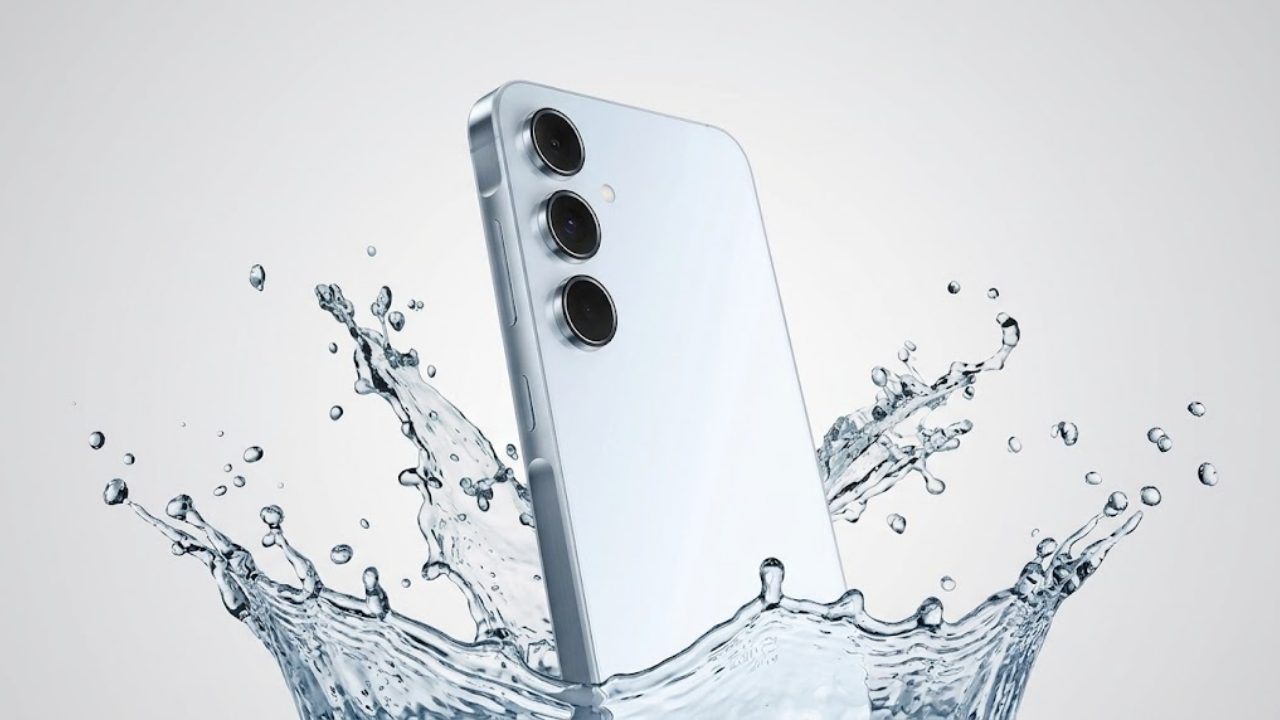
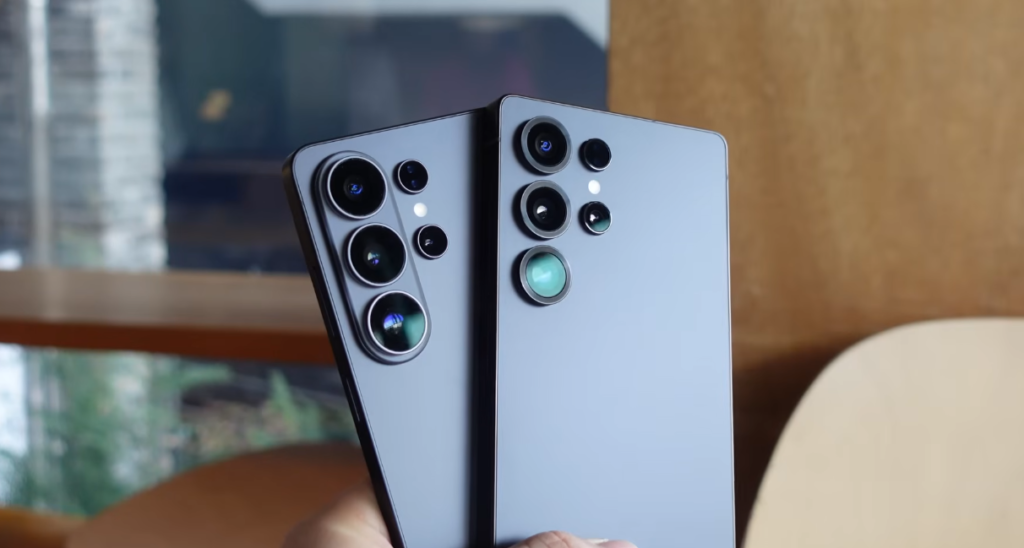
The S26 Ultra is a little thinner and has more rounded corners than its predecessor. The camera island sits a bit higher off the back, and the frame is now aluminum instead of titanium. That last part might bother some people; the S25 Ultra’s titanium build has a premium feel that’s genuinely hard to argue with. On the new model, you won’t notice the material difference unless you’re specifically looking for it, but it’s worth knowing going in.
Display one genuinely new feature
| Feature | S26 Ultra | S25 Ultra |
|---|---|---|
| Size | 6.9-inch | 6.9-inch |
| Resolution | QHD OLED | QHD OLED |
| Refresh Rate | 120Hz | 120Hz |
| Brightness (Auto) | ~1400+ nits | ~1400+ nits |
| Anti-reflective Coating | Same | Same |
| New Feature | Privacy display | ❌ Not available |
| Privacy Mode Impact | Cuts brightness by ~50% | — |
| Software Enhancements | ProScaler, MDNIE | Standard |
Both phones share a 6.9-inch QHD OLED panel with a 120Hz refresh rate, and in daily use, they look essentially the same. Brightness topped out above 1,400 nits in auto mode on both, and the anti-reflective coating is identical.
The one thing that’s actually new here is the privacy display on the S26 Ultra. It works a lot like those privacy screen protectors. People beside you can’t easily see what’s on your screen. You can turn it off whenever you want or limit it to passwords only. The trade-off is real though: max brightness gets cut in half when full privacy mode is running. Samsung also added Proscaler and MDNIE software features claiming improved sharpness and color, but honestly, it’s hard to tell the difference in real use.
Performance new chip, similar results
| Feature | S26 Ultra | S25 Ultra |
|---|---|---|
| Chipset | Snapdragon 8 Elite Gen 5 (OC) | Snapdragon 8 Elite (2025, OC) |
| Benchmark Performance | Slightly better | Slightly lower |
| GPU Throttling | Similar | Similar |
| Real-world Performance | Very fast | Very fast |
The new model runs an overclocked Snapdragon 8 Elite Gen 5, while the S25 Ultra has an overclocked Snapdragon 8 Elite (the 2025 version). The S26 Ultra does pull ahead in benchmarks, but not by a huge margin. In the GPU throttling test, both phones performed about the same despite Samsung marketing an improved cooling system on the newer one. Either way, both phones are genuinely fast. You’re not going to run into a situation where either one feels slow.
Battery and charging this is where things get interesting
| Feature | S26 Ultra | S25 Ultra |
|---|---|---|
| Battery Capacity | 5000mAh | 5000mAh |
| Active Usage | ~16.5 hours | <15 hours |
| Efficiency | Better | Lower |
| Wired Charging | 60W | 45W |
| 30-min Charge | Higher % | Lower % |
| Full Charge Time | <45 minutes | ~1 hour |
| Wireless Charging | 25W (Qi 2.2) | 15W |
Both phones pack a 5,000mAh battery, so you’d expect similar results but that’s not what happened in testing. The S26 Ultra scored around 16.5 hours of active use, compared to under 15 hours on the S25 Ultra. That’s a meaningful gap for phones with the same cell size, and it likely comes down to the newer chip being more efficient.
Charging also got a proper upgrade. The new model goes up to 60W wired versus 45W on the older one, and it charges to a noticeably higher percentage in the first 30 minutes. A full charge on the S26 Ultra takes under 45 minutes. The S25 Ultra needs closer to an hour. Wireless charging jumped from 15W to 25W too, now over Qi 2.2.
Cameras mostly the same, with a few surprises
| Feature | S26 Ultra | S25 Ultra |
|---|---|---|
| Camera Setup | Quad camera | Quad camera |
| Main Sensor | Wider aperture | Standard |
| 5x Telephoto | New prism design | Periscope |
| Daylight Photos | Very similar | Very similar |
| Night Photos (Main) | More detail | More smoothing |
| 3x Telephoto | Smaller sensor | Larger sensor (better low light) |
| Close-up Focus | Worse | Better (macro advantage) |
| Bokeh Quality | Improved (rounder) | Standard |
You still get four cameras on the back, including two telephoto zooms. The main sensor and the 5x telephoto both have wider apertures now, and that 5x uses a new design Samsung calls All Lenses on Prism instead of the old periscope setup. It makes the camera module more compact and gives you rounder, nicer-looking bokeh balls.
During the day, the two phones are very close on camera output. You’d have to look carefully to spot a real difference. At night, the main camera on the new model holds onto more texture in dark shots, while the S25 Ultra’s night mode tends to smooth things out too much. But the S25 Ultra’s 3x telephoto has a larger sensor, which gives it a small advantage in low light at that zoom level.
One clear downside for the S26 Ultra close-up shots. The S25 Ultra can focus from a shorter distance and handles macro-style shots better. It’s not a massive deal for most people, but if you shoot a lot of food or product photos up close, it’s worth factoring in.
Speakers and software
Here’s a fun one. The S25 Ultra is actually louder; it earned a “very good” loudness rating. But the S26 Ultra sounds better. Vocals are more natural, the highs are cleaner, and overall it’s a more pleasant listening experience. The older model just turns up the volume more.
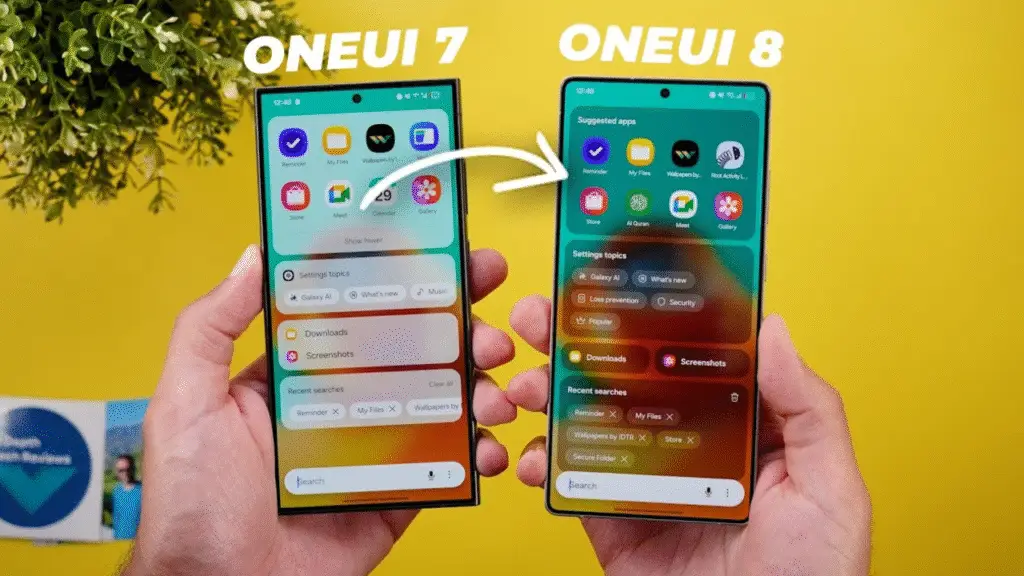
On software, the S26 Ultra ships with One UI 8.5 while the S25 Ultra is currently on One UI 8, though an update is expected to bring it closer in line. The new model also gets one extra year of software updates but since both phones already come with 7 years of support, that extra year isn’t going to be the deciding factor for most buyers.
Quick verdict pros and cons
S26 Ultra — what you gain
- Longer battery life
- Faster 60W wired charging
- Better speaker quality
- Privacy display feature
- Newer, more efficient chip
- Wider selfie lens
S25 Ultra — what you keep
- Titanium frame build
- Louder speaker volume
- Better close-up / macro shots
- Larger 3x zoom sensor
- Lower price — saves ~$200
The S26 Ultra is the better phone no question. Battery life is longer, charging is faster, the speakers sound cleaner, and the privacy display is a genuinely useful addition. But the camera experience is largely the same as last year, and the performance gap is smaller than you might expect. If you’re upgrading from the S25 Ultra, it’s hard to justify the extra spend. If you’re coming from something older and want the best Samsung right now, the new model makes sense. If saving money matters more, last year’s Ultra is still an excellent phone.

M Adnan Akram is the founder and lead writer at Phoonomo, covering mobile technology with a primary focus on Samsung and the broader smartphone industry, alongside emerging developments in AI. He follows product launches, spec leaks, and industry trends closely to keep readers informed with timely updates.
Discover more from Phoonomo
Subscribe to get the latest posts sent to your email.