There was a time, not long ago, when Huawei’s place in the global smartphone conversation felt genuinely uncertain. US sanctions, chip restrictions, the loss of Google services and the headwinds were significant enough that writing the brand off felt almost reasonable. Fast forward to April 20, 2026, and Huawei has just launched the Pura 90 series in China three phones that collectively make one of the strongest camera arguments of any Android flagship this year. The headline? A 200MP periscope telephoto camera on the Pro Max that Huawei is calling a first for its lineup. This isn’t a brand in retreat. This is a brand that spent the quiet years building.
The Pura 90 series arrives as a proper tiered lineup standard, Pro, and Pro Max each with distinct positioning rather than the barely-differentiated stacking that some manufacturers resort to.
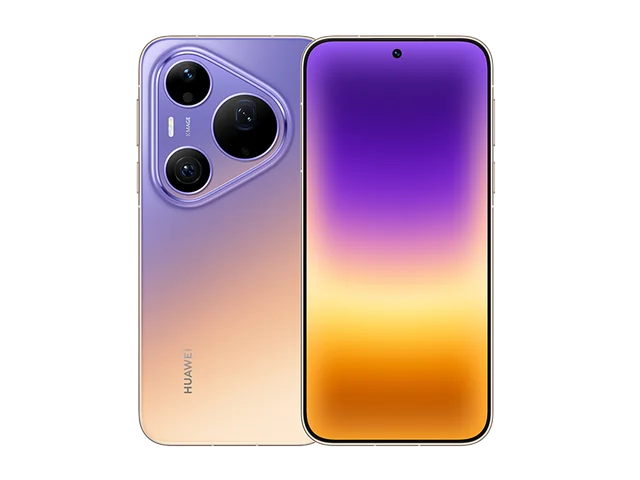
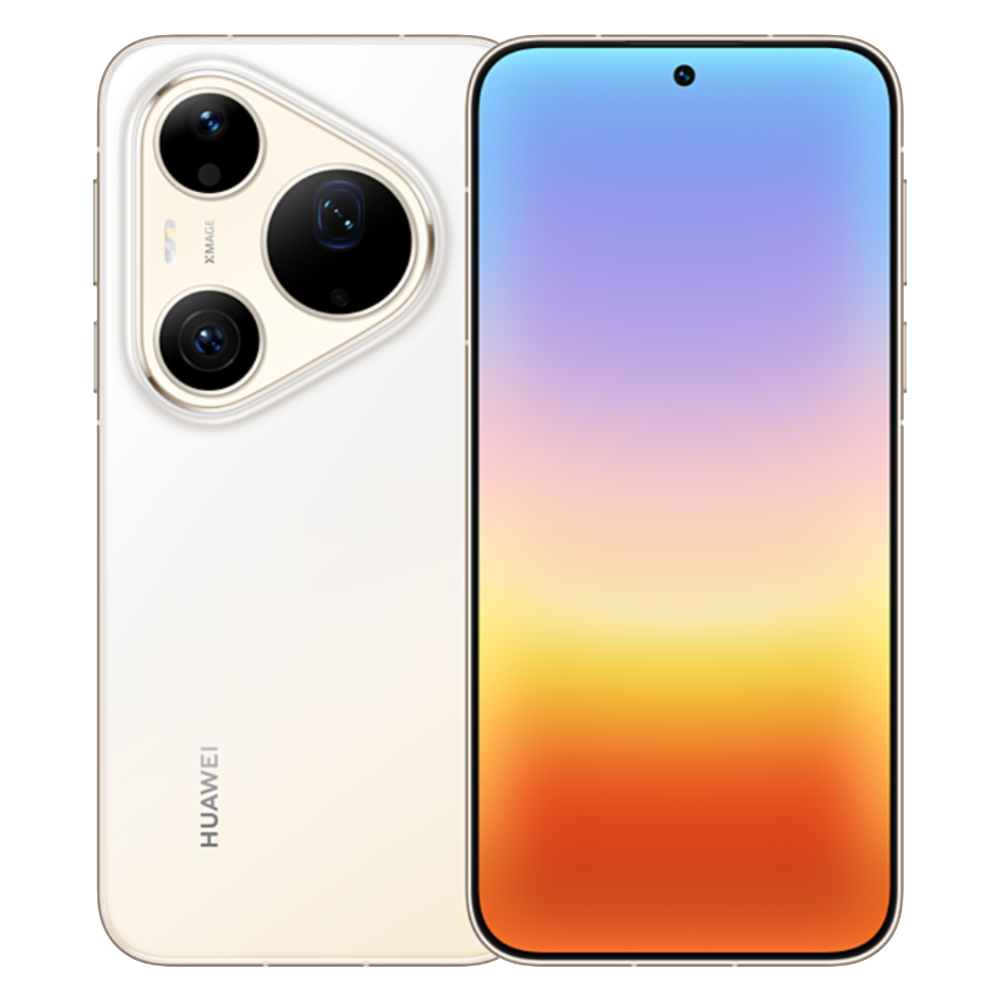
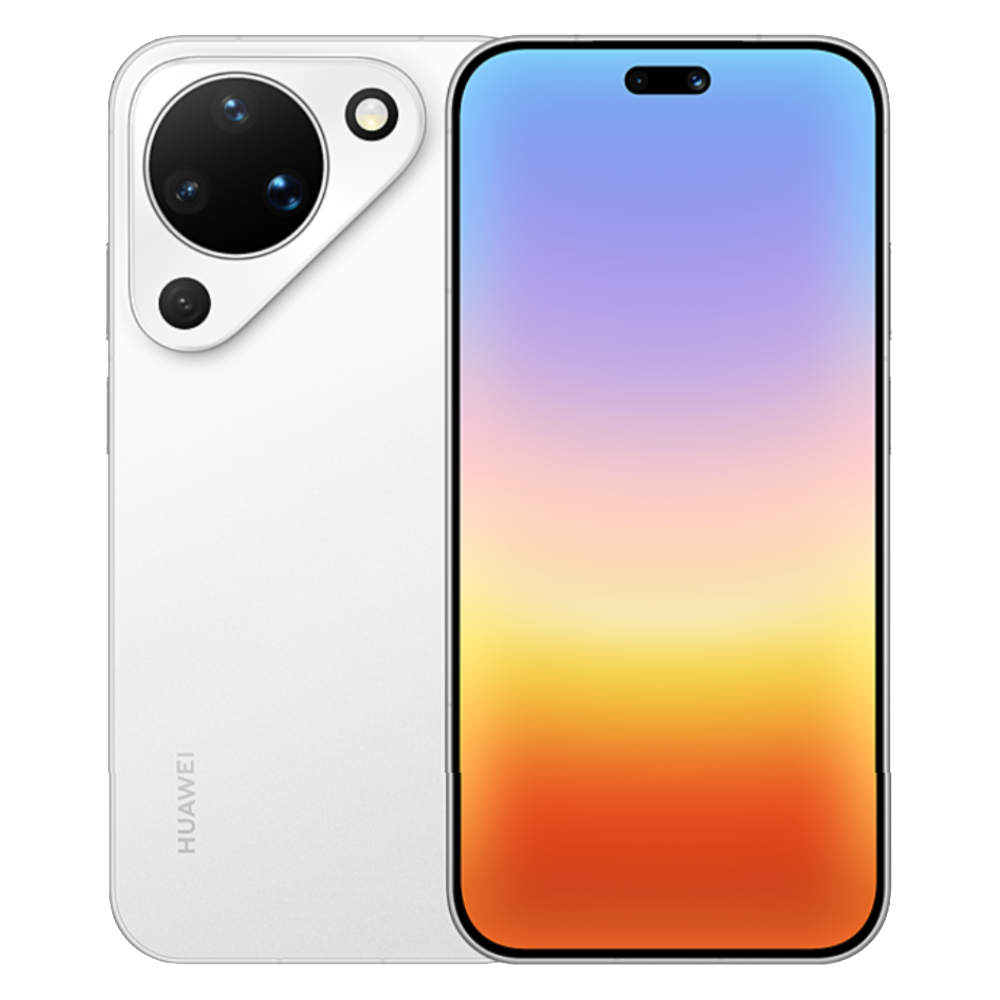
The Pura 90 is the accessible entry point at 4,699 yuan (~$680), packing a 6.8-inch LTPO OLED display with 120Hz refresh, a triple 50MP camera system with a 3.7x periscope zoom, and impressively a 6,500mAh battery with 100W wired charging. That’s actually the largest battery in the lineup, which is an unusual choice that Huawei has clearly made to differentiate the base model beyond just price. Paired with the Kirin 9010S chipset and HarmonyOS 6.1, it’s a complete flagship package for buyers who don’t need every camera bell and whistle.
The Pura 90 Pro steps up to a 6.6-inch LTPO OLED display slightly smaller than the standard, which is an interesting inversion and introduces a variable aperture main camera, a feature that allows the lens to physically adjust its opening to control light intake the way a DSLR does. Starting at 5,499 yuan (~$806), it gets the Kirin 9030S chipset, 66W wired and 50W wireless charging on a 6,000mAh cell.
The Pura 90 Pro Max is where things get genuinely exciting. At 6,499 yuan (~$953), it commands the top of the lineup with a 6.9-inch LTPO OLED display, 100W wired and 80W wireless charging on a 6,000mAh battery, eSIM support, and the camera system that will define this entire launch in the history books.
Camera megapixel counts have become a somewhat tired marketing game: more pixels don’t automatically mean better photos, and the industry knows it. So when Huawei puts a 200MP periscope telephoto on the Pura 90 Pro Max and calls it a first for its lineup, the natural instinct is healthy scepticism. But the implementation here deserves a closer look.
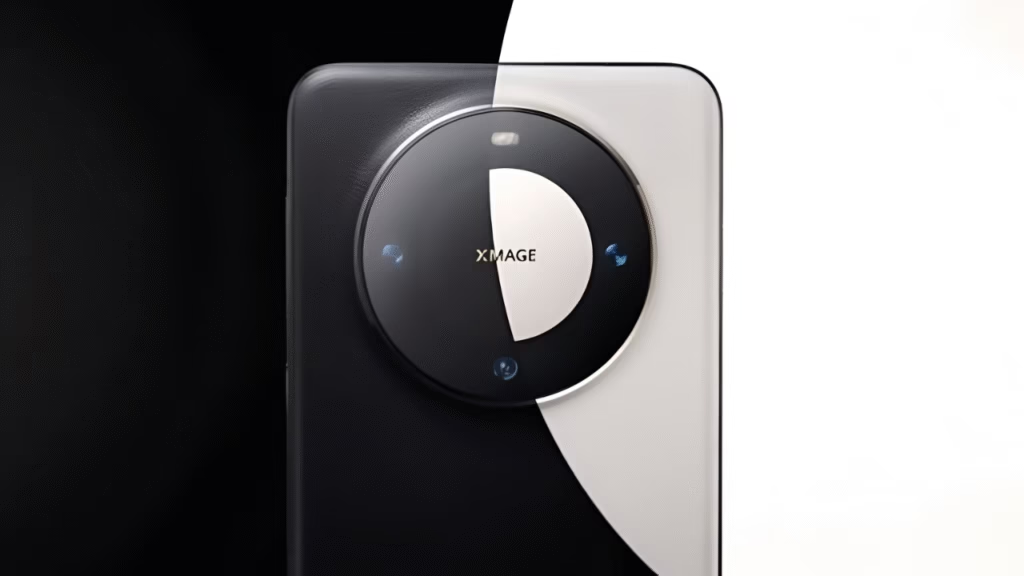
A periscope telephoto at 200MP is not the same as a standard 200MP main sensor. The periscope design uses a prism to fold the optical path horizontally through the phone body, allowing for much longer focal lengths without the camera module protruding excessively. Combining that optical design with a 200MP sensor means the Pro Max can capture telephoto shots with enormous detail retention, the kind where cropping aggressively in post still yields usable, print-quality images. Combined with Huawei’s XMAGE AI image processing, which handles colour science, stabilisation, and computational photography, the Pro Max is positioning itself as the most capable zoom phone Huawei has ever built.
For context: Samsung’s Galaxy S26 Ultra ships with a 200MP main sensor but a 50MP periscope telephoto. Xiaomi’s 17 Ultra uses a 50MP periscope. Huawei is putting 200MP specifically in the telephoto position, a different and arguably more interesting engineering decision for zoom-focused photography.
The Pro Max’s full camera system rounds out with a 50MP main sensor using LOFIC technology Large-scale Overflow Integration Capacitor, which dramatically improves dynamic range and highlight recovery and a 40MP ultra-wide. That’s a genuinely formidable triple camera setup at every focal length.
The elephant in the room with any Huawei flagship is the chipset situation. Huawei’s Kirin chips are developed in-house and manufactured domestically, a necessity born of US export restrictions and while they’ve made remarkable progress, there are still performance and efficiency gaps compared to TSMC-manufactured alternatives like the Snapdragon 8 Elite or Apple’s A19 Pro.
The Kirin 9030S powering the Pro and Pro Max models represents Huawei’s latest generation, with reported improvements in AI inference performance and image signal processing the areas that matter most for camera-centric phones. The AI acceleration improvements specifically feed into the XMAGE processing pipeline, which is where Huawei has consistently delivered competitive results even when raw compute numbers trail competitors.
What Huawei has learned to do and the Pura 90 series demonstrates this again is engineer the full system rather than just chasing silicon benchmarks. The camera hardware, AI pipeline, display calibration, and software integration are all built by the same team for the same devices. That kind of vertical integration produces coherent experiences that raw spec comparisons don’t fully capture.
The charging numbers across the Pura 90 lineup are worth pausing on. 100W wired charging on the base Pura 90 is faster than Samsung offers on any Galaxy S26 model. The Pro Max’s 80W wireless charging matches or beats most competitors’ wired speeds, a genuinely remarkable figure that makes cable-free topping up a practical daily option rather than a slow overnight ritual.
The 6,500mAh base model battery is a strategic play; buyers who prioritise endurance over camera complexity get the largest cell in the lineup at the lowest price. The Pro and Pro Max both carry 6,000mAh, still substantial by any standard, with the Pro Max compensating with faster wireless charging.
Across all three models, HarmonyOS 6.1’s AI power management features contribute to real-world efficiency gains beyond what the raw mAh numbers suggest the OS is increasingly optimised for Huawei hardware in ways that generic Android deployments aren’t.
For international buyers, HarmonyOS remains the defining limitation of any Huawei purchase: no Google Play Store, no Google services, and an app ecosystem that trails Android globally even as it continues to mature in China. Within China, however, HarmonyOS 6.1 is a genuinely capable operating system with its own AI assistant improvements, AI photo editing tools, and smart system-level features built around Huawei’s own service infrastructure.
The AI assistant and editing tools are tightly integrated with the camera system allowing real-time scene enhancement, sky replacement, object removal, and portrait refinement that feels native rather than bolted on. For Chinese buyers operating entirely within Huawei’s ecosystem, the software story is coherent and increasingly compelling.
The addition of Beidou satellite messaging across the lineup is a practical differentiator off-grid communication in areas without cellular coverage is a genuine use case for outdoor enthusiasts and travellers, and Huawei’s satellite messaging implementation has been well-received in previous Pura models. The anti-fraud mode, scam detection, and encrypted sharing features reflect China’s evolving digital security landscape and will resonate with privacy-conscious buyers.
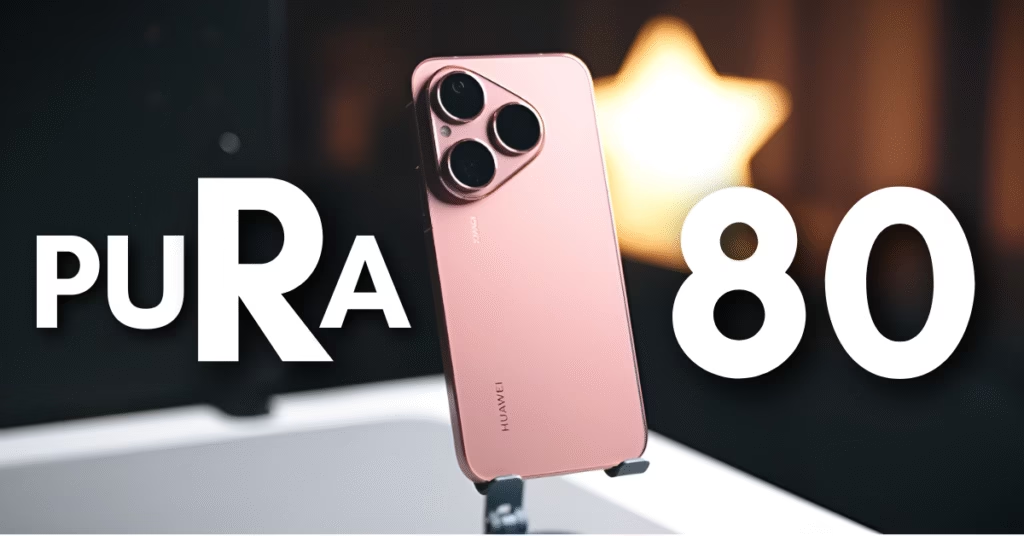
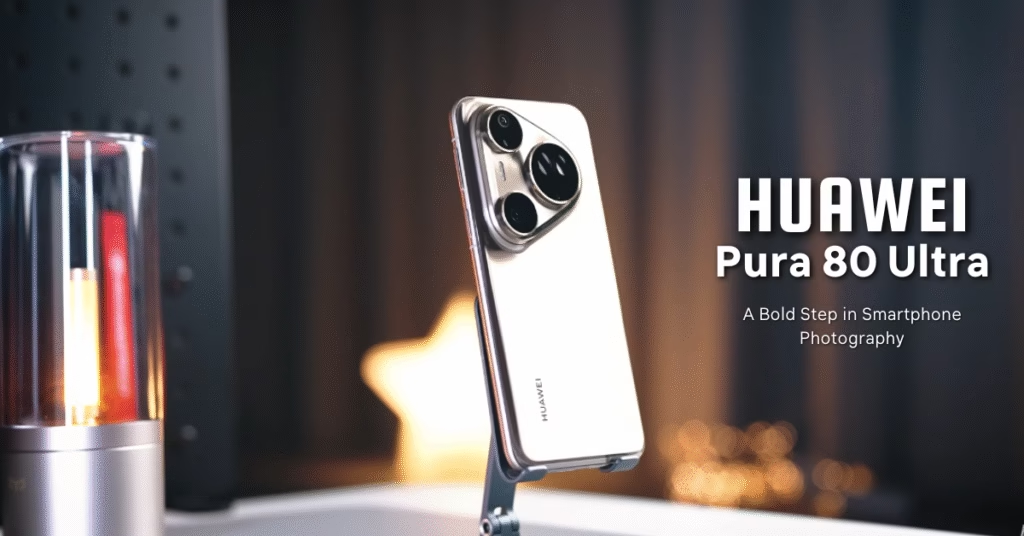
Huawei’s triangular camera module, the so-called guitar-pick design, returns on all three Pura 90 models. Love it or find it polarising, it’s unmistakably Huawei and provides a design identity that’s genuinely distinct from the circular camera islands of Samsung’s Galaxy S series or Apple’s rectangular iPhone cluster.
The flat frame design with gradient finishes and Kunlun Glass protection across the lineup adds durability credentials. The Pro models carry dual IP68 and IP69 ratings, the same combination that impressed us on the Vivo T4x which has become an increasingly important benchmark for premium buyers who expect their flagships to survive real-world conditions, not just marketing demonstrations.
At Chinese retail prices ₹4,699 yuan for the base, ₹6,499 yuan for the Pro Max the Pura 90 series represents competitive flagship pricing in context. But for buyers outside China, the calculus changes significantly. Import pricing, the absence of Google services, and the HarmonyOS app gap all factor in. The Pura 90 Pro Max at its domestic price competes directly with the Samsung Galaxy S26 Ultra and Xiaomi 17 Ultra both of which offer Google services and broader app ecosystems. Unless you’re based in China or genuinely committed to Huawei’s ecosystem, the international proposition requires careful thought.
Within China, however, where Huawei’s domestic market strength is formidable and HarmonyOS is a complete daily driver, the Pura 90 series makes a genuinely strong case for itself particularly the Pro Max, which offers camera hardware that no competitor currently matches on the telephoto front.
The Huawei Pura 90 series is a confident, technically impressive flagship launch that demonstrates how far Huawei has come since the darkest days of its chip restrictions. A 200MP periscope telephoto, 100W charging on a 6,500mAh base model, 80W wireless on the Pro Max, and Kirin 9030S powering it all is a lineup that competes on genuine hardware merit rather than nostalgia.
The Pro Max is the one to watch. If Huawei’s XMAGE processing can make that 200MP telephoto sensor deliver in real-world conditions and the company’s camera track record suggests it will, it could legitimately challenge Samsung and Apple for the best zoom photography on any smartphone this year.
Available now in China. If you’re in the market and operate within Huawei’s ecosystem, the Pura 90 Pro Max deserves to be on your shortlist alongside the Galaxy S26 Ultra. Go handle one before deciding camera phones live or die in the real world, not on specification tables.

M Adnan Akram is the founder and lead writer at Phoonomo, covering mobile technology with a primary focus on Apple and the broader smartphone industry, alongside emerging developments in AI. He follows product launches, spec leaks, and industry trends closely to keep readers informed with timely updates.
Discover more from Phoonomo
Subscribe to get the latest posts sent to your email.