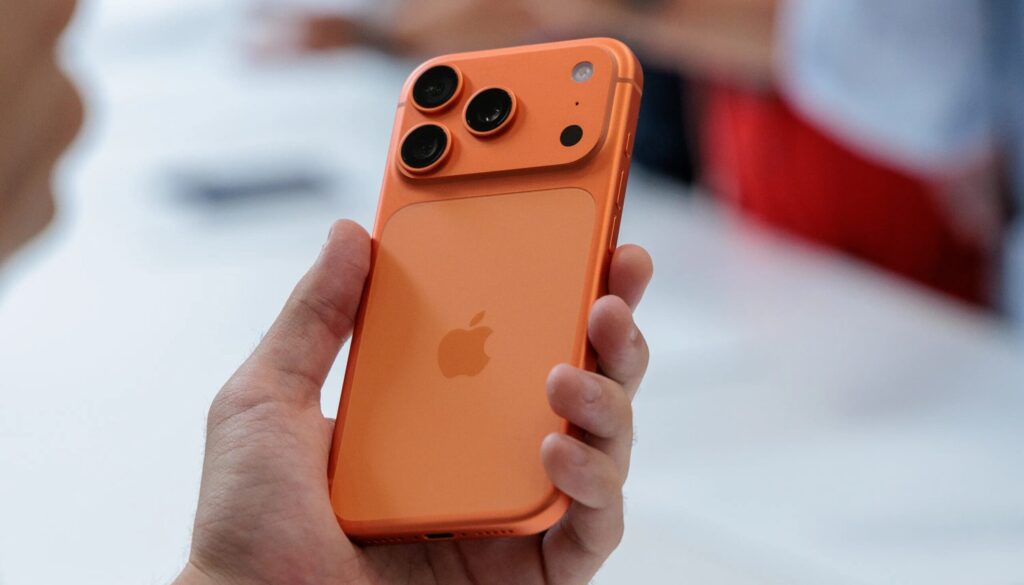
Every decade or so, Apple makes a phone that resets what a smartphone is supposed to look like. The original iPhone in 2007. The iPhone X in 2017 which killed the home button, introduced Face ID, and gave us the all-screen era. If the latest rumours hold even a grain of truth, iPhone 20 could be that kind of moment again. A curved, borderless, all-glass device with a completely hidden camera and an ambition that sounds almost too good to be true. Which, to be fair, it might be.
Before diving in, the credibility check matters here. These rumours originate from an X account called @phonefuturist not a proven Apple supply chain insider like Ming-Chi Kuo or Mark Gurman. The original report explicitly flags that the claims should be taken with “a considerable pinch of salt.” So treat everything below as an aspirational roadmap, not a confirmed spec sheet. That said, the direction of travel aligns with broader Apple display trends already backed by more credible sources so it’s worth paying attention.
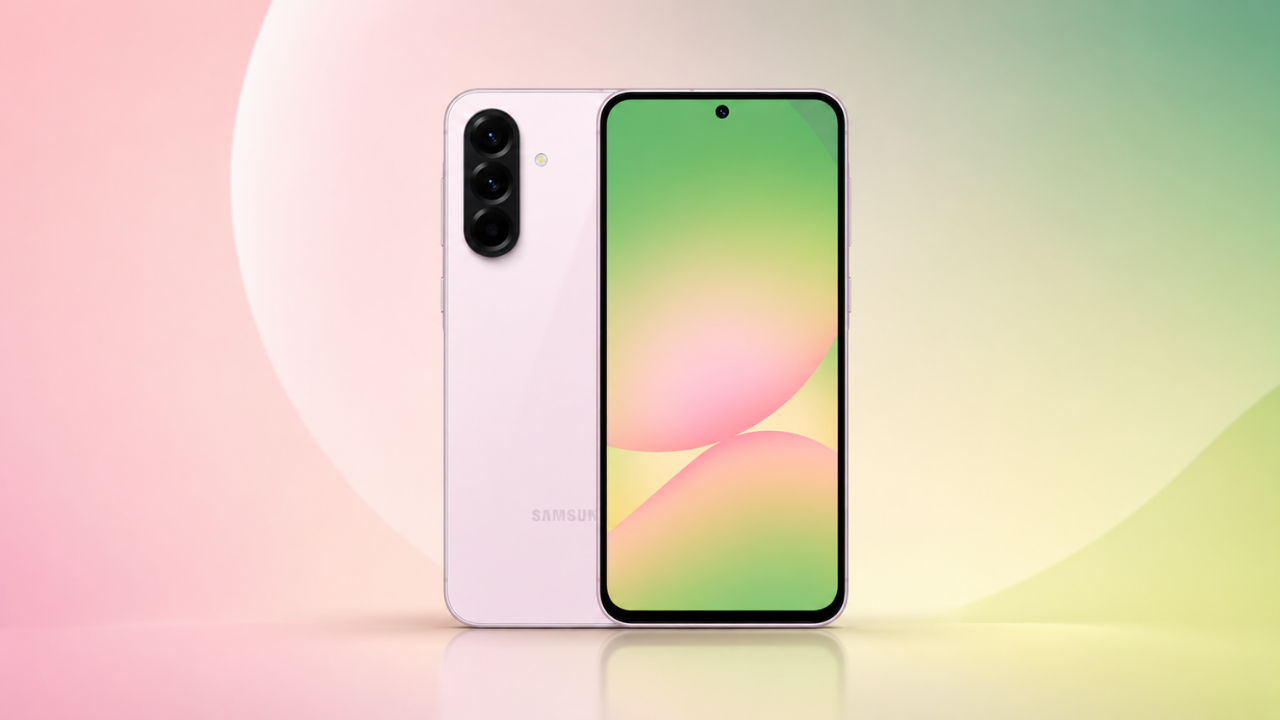
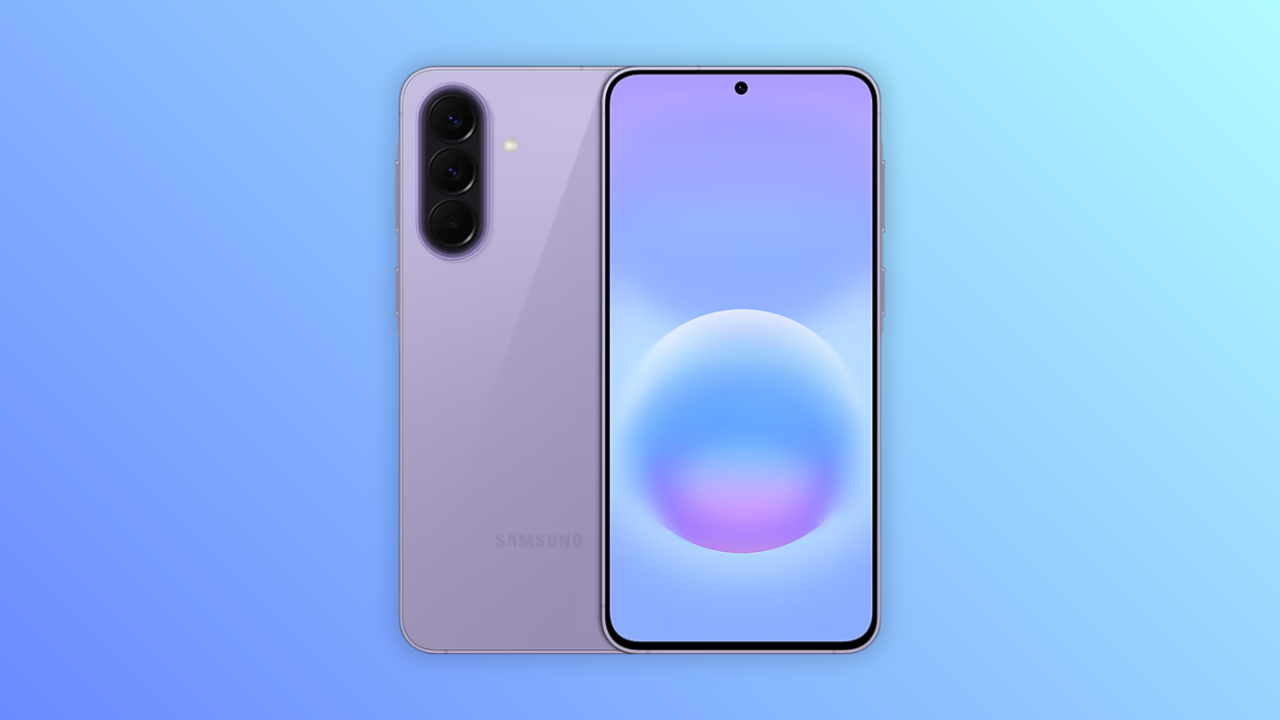
The headline rumour is a seamlessly curved display glass that flows down at the edges in a wrap-like aesthetic, reminiscent of the Samsung Galaxy Edge concept but pushed much further. Paired with that is a rumoured bezel thickness of just 1.1mm, compared to the iPhone 17 Pro’s already-impressive 1.44mm. That’s a reduction that sounds small but would be immediately visible and tactile in hand.
The overall vision is clearly an evolution of the iPhone X formula, taking something that already looks refined and making it more extreme. Thinner borders, more glass, less frame. If Apple nails the execution, it would be the most striking iPhone design change in a decade.
Here’s where ambition collides with engineering reality. Apple is reportedly testing under-display camera technology including a look at Samsung’s own under-panel camera approach to achieve a truly uninterrupted screen. The problem is the same one that’s plagued every manufacturer who’s tried it: image quality. Under-display cameras still produce noticeably softer, lower-quality images compared to a standard front camera, and that’s not a compromise Apple has historically been willing to make.
If the under-display tech isn’t ready in time, Apple reportedly has two fallback positions: a smaller Dynamic Island, or a standard punch-hole camera. Neither would deliver the true all-screen dream, but both would still represent a cleaner look than today’s pill cutout. Face ID authentication may also evolve, with leaks mentioning a system referred to as “Polar ID” potentially paired with whatever sensor arrangement makes the final cut.
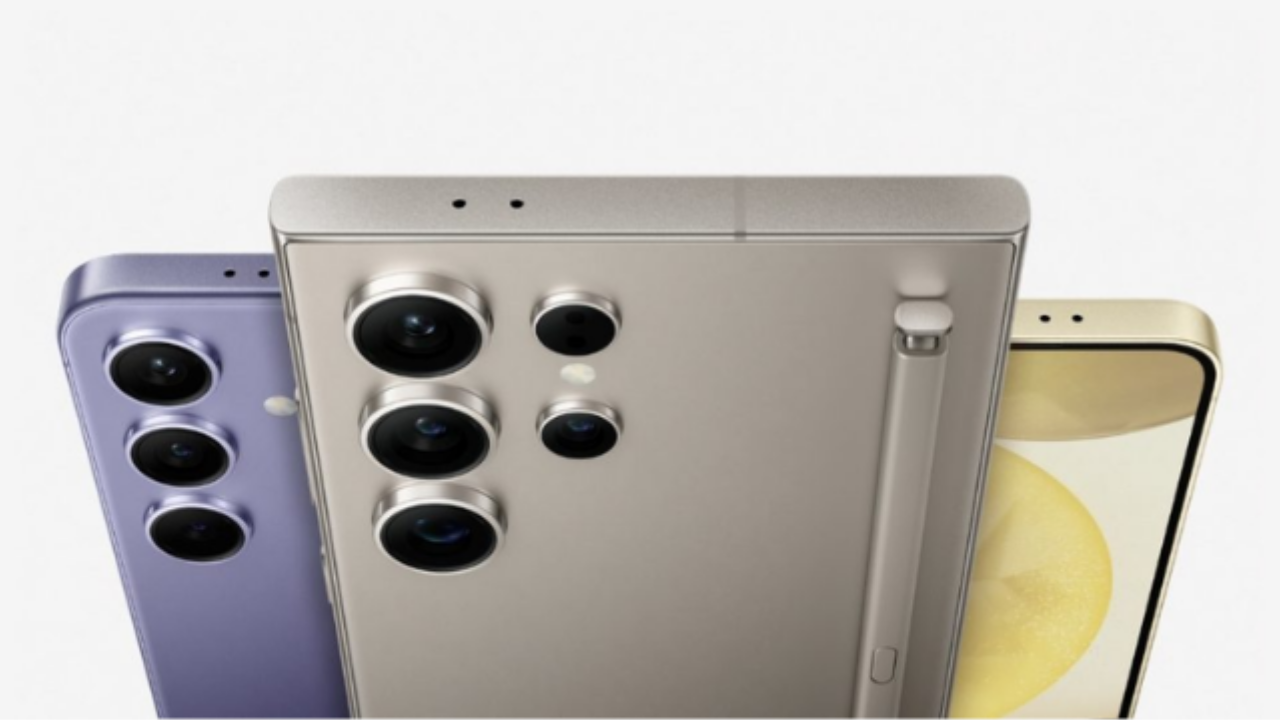
Samsung has shipped under-display cameras on its Galaxy Z Fold series since 2021 but even in 2026, the selfie quality from those sensors remains a clear step below a standard camera. Google hasn’t attempted under-display cameras at all on its Pixel line. Apple, characteristically, appears to be watching and waiting until the technology meets its bar rather than shipping something compromised. The iPhone 20’s development timeline still over a year away suggests Apple is giving itself maximum runway to get this right.

M Adnan Akram is the founder and lead writer at Phoonomo, covering mobile technology with a primary focus on Apple and the broader smartphone industry, alongside emerging developments in AI. He follows product launches, spec leaks, and industry trends closely to keep readers informed with timely updates.
Discover more from Phoonomo
Subscribe to get the latest posts sent to your email.