For the past two years, Apple has been telling us that Apple Intelligence was the future. Turns out, the future needed a little help from Google. In what is arguably the most significant strategic admission in Apple’s recent history, the company has quietly shelved its ambition to build a world-class AI from scratch and replaced it with something far more pragmatic: a platform play. Let everyone else’s AI do the heavy lifting, and make the iPhone the best place to use it.
Apple’s new AI strategy has two clear pieces, both expected to be formally unveiled at WWDC on June 8.
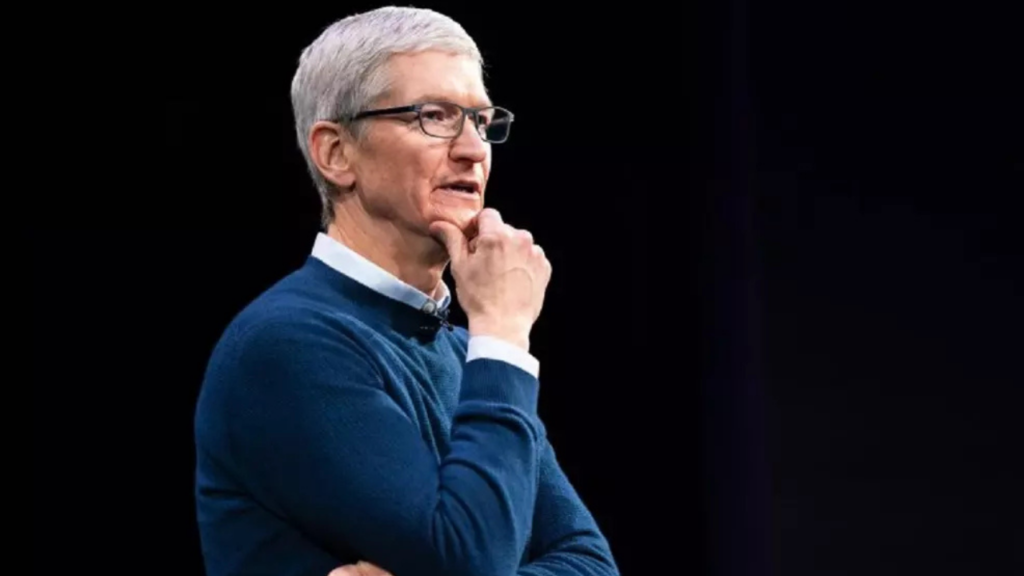
First and most jaw-dropping is the Google deal. In January 2026, Apple and Google jointly announced a multi-year collaboration that puts Gemini at the core of Siri and Apple Foundation Models. This isn’t a chatbot add-on. Google’s models are now the engine powering Siri’s brain. The price tag? Roughly $1 billion per year. Tim Cook’s own words on the Q1 earnings call confirmed it: Google’s AI technology, he said, “would provide the most capable foundation” for what Apple is building.
Second, Apple is opening the iPhone to rival AI assistants ChatGPT, Claude, Gemini directly all living alongside Siri on iOS. The iPhone becomes a platform, not a walled garden. That’s a meaningful shift for a company historically allergic to ceding any ground to third parties.
Apple isn’t just patching the old Siri. It’s building two distinct versions. The near-term update, arriving in iOS 26.5, finally delivers features that were promised two summers ago and never shipped: Personal Context, on-screen awareness, and the ability to take actions across apps on your behalf. Better late than never.
The bigger overhaul is codenamed “Campo”, due at WWDC. This is a ground-up redesign that makes Siri look and behave more like ChatGPT or Claude, a standalone app, conversation history, attachment support, and a completely new interface. The classic glowing border is reportedly getting replaced by a Dynamic Island-style Liquid Glass panel. It’s a visual reset to match the strategic one.
The honest answer: it wasn’t working. Apple Intelligence launched with fanfare and underdelivered badly enough that the company quietly dialled back its marketing. Internally, some teams reportedly believe large language models will eventually be commoditised anyway making the billion-dollar race to build your own a questionable investment.
So Apple is doing what it does best, controlling the experience rather than the infrastructure. Google handles the model. Apple handles the privacy, the hardware integration, and the interface. It’s also expanding its Anthropic partnership, with Claude now powering Apple’s Xcode coding assistant, and OpenAI’s GPT-5 confirmed for iOS 26’s fall launch. Apple now has three of the world’s top AI models under one roof.
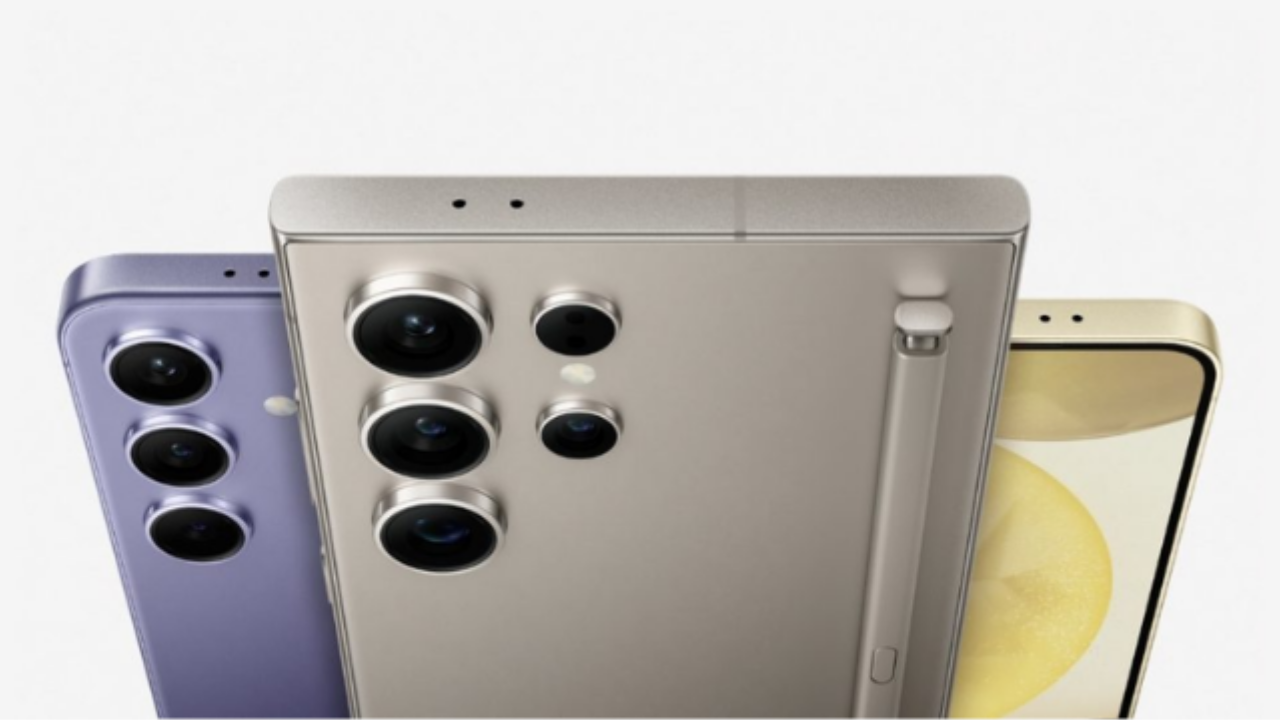
Compare that to Samsung, which has leaned heavily on its own Galaxy AI branding built on Google’s models or Google itself, pushing Gemini across Android. Apple’s approach is less about picking a winner and more about hosting all of them.

M Adnan Akram is the founder and lead writer at Phoonomo, covering mobile technology with a primary focus on Apple and the broader smartphone industry, alongside emerging developments in AI. He follows product launches, spec leaks, and industry trends closely to keep readers informed with timely updates.
Discover more from Phoonomo
Subscribe to get the latest posts sent to your email.