Apple hasn’t even launched its foldable iPhone yet, and the competition is already scrambling. Huawei, arguably the most aggressive foldable innovator outside of Samsung, is reportedly developing not one but two new Pura-series foldables simultaneously. The timing is no coincidence. This is what the foldable market looks like when Apple shows up.
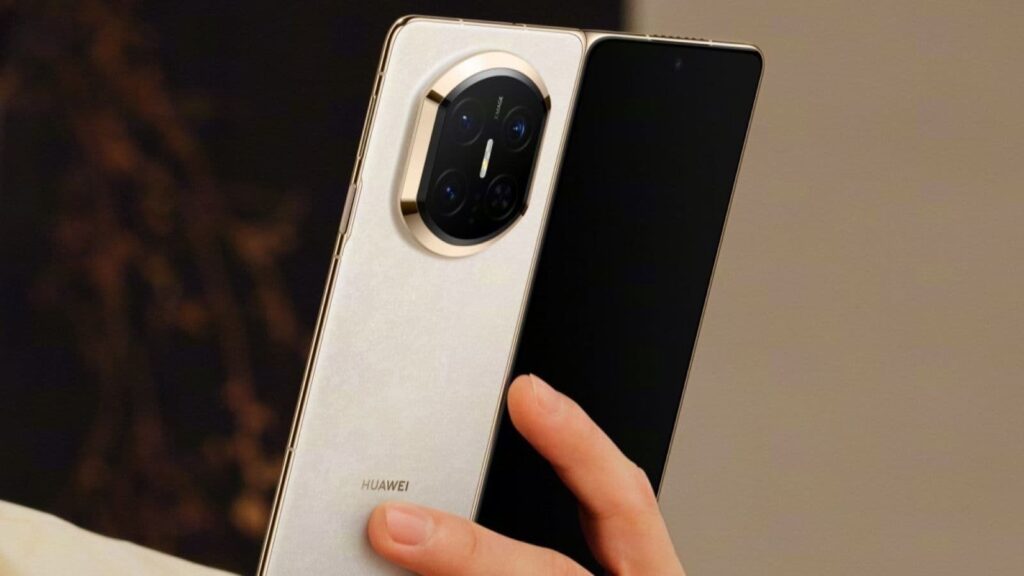
The first is the Pura X2, the natural successor to the original Pura X. Huawei’s wide vertical fold design, broader than a standard flip phone, more pocketable than a book-style, stays intact here. Exact hardware details remain under wraps, but an upgrade cycle was expected regardless.
The second device is the more interesting story. Huawei is reportedly building a horizontal book-style foldable that opens like a tablet essentially mirroring the design direction Apple is taking with its foldable iPhone. That’s not accidental. Huawei is mapping Apple’s move in real time and building a direct answer before Apple even ships a single unit.
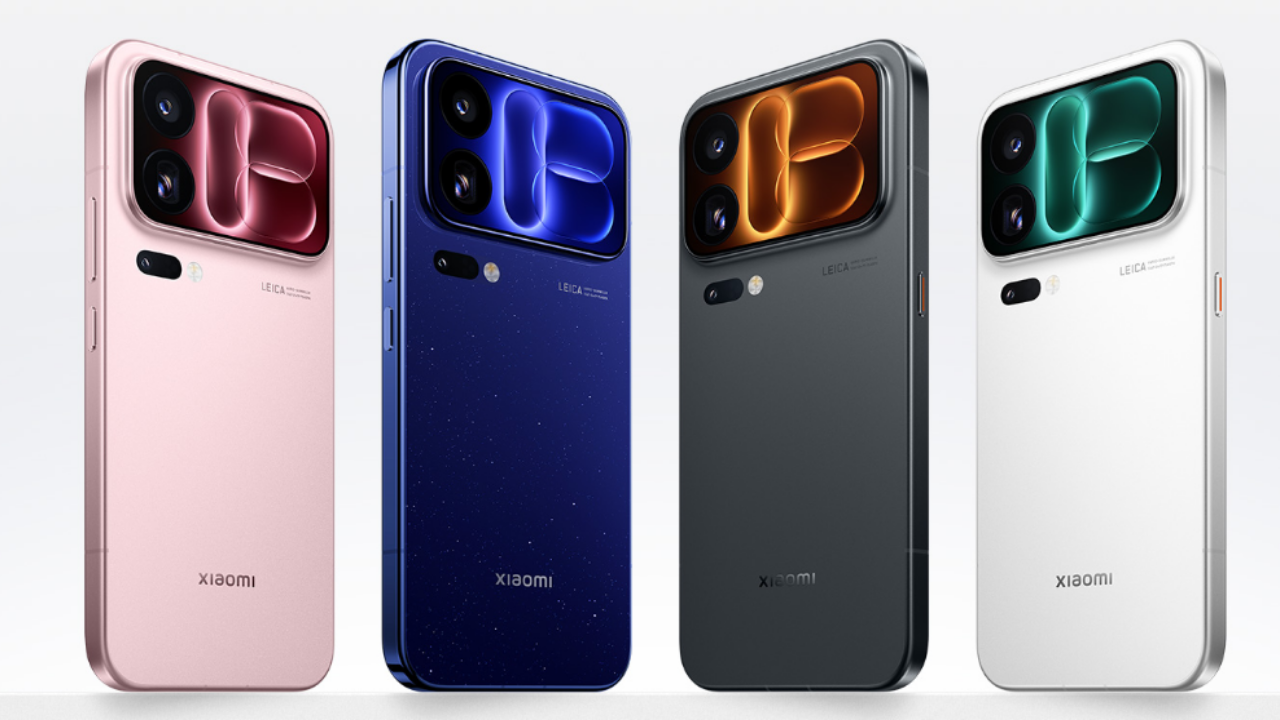
Both devices may arrive in bold colours orange and purple have been mentioned as a deliberate contrast to Apple’s expected understated black and white palette. Even the aesthetics feel like a statement.
The trigger for all of this? Apple’s foldable iPhone has entered early production and testing stages, with display manufacturing already underway through suppliers. A late 2026 launch is the current expectation possibly alongside the iPhone 18 series or shortly after. The design is book-style, focused on minimising the crease and maximising inner screen real estate at roughly 7 to 8 inches.
Analysts aren’t understating the impact. Apple entering the foldable space could generate an estimated $40 to $60 billion in revenue and pull millions of mainstream buyers into a category that has so far remained niche. That’s the kind of market event that forces every competitor to accelerate their roadmap and that’s exactly what Huawei is doing.
Huawei isn’t only reacting to Apple. Samsung is reportedly working on its own Galaxy Z Wide Fold, a wider, more tablet-oriented take on the Z Fold formula. So Huawei is effectively fighting a two-front war: defending against Samsung’s evolution while preparing for Apple’s entrance. Launching two foldables at once is the only way to cover both directions simultaneously.
The broader market is shifting fast. Better hinge durability, less visible creases, and stronger chipsets have pushed foldables from enthusiast curiosity to genuine flagship contenders. Honor, Oppo, and others are all pushing harder. But the moment Apple commits, the category stops being experimental it becomes mainstream.

M Adnan Akram is the founder and lead writer at Phoonomo, covering mobile technology with a primary focus on Samsung and the broader smartphone industry, alongside emerging developments in AI. He follows product launches, spec leaks, and industry trends closely to keep readers informed with timely updates.
Discover more from Phoonomo
Subscribe to get the latest posts sent to your email.