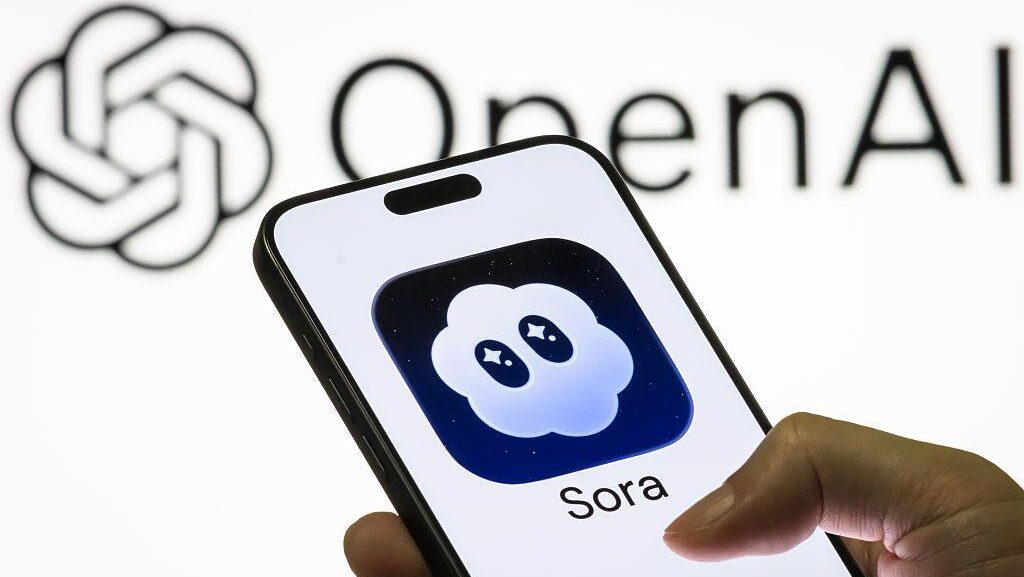
In a move that says a lot about where the AI race is heading, OpenAI has reportedly decided to shut down its much-hyped video generation platform, Sora. The decision comes at a time when the company is said to be preparing for a potential IPO, and it reflects a clear shift from experimental products to scalable, revenue-driven AI.
Sora made headlines when it launched, quickly becoming one of the most talked-about AI tools thanks to its ability to generate realistic videos from text prompts. But behind the scenes, the economics didn’t quite add up. Running large-scale video generation models requires enormous compute power, and according to reports, Sora was proving expensive to maintain while offering limited direct monetization.
That’s where the strategy shift comes in. OpenAI is now reallocating resources toward areas that can scale more efficiently such as core ChatGPT features, enterprise AI tools, and coding-focused systems. This aligns with the broader direction of the AI industry, where companies are increasingly prioritizing practical applications over viral demos.
There’s also a competitive angle here. Rivals like Google and Anthropic are doubling down on enterprise AI and developer ecosystems, forcing OpenAI to stay focused on segments that drive long-term growth. In that context, maintaining a high-cost consumer product like Sora may no longer make sense.
At the same time, OpenAI isn’t stepping back from innovation. Reports suggest the company is working on a new AI system internally codenamed “Spud,” which could play a role in its broader plan to build a more unified AI platform. While details are still limited, the project is expected to focus on productivity and tighter integration across OpenAI’s ecosystem.
Another important piece of the puzzle is timing. With IPO discussions reportedly underway, simplifying the product lineup and improving cost efficiency becomes critical. Cutting projects that don’t directly contribute to revenue or long-term strategy is a typical move for companies preparing to go public.
The bigger picture here is clear: the AI industry is entering a more mature phase. It’s no longer just about what’s possible, it’s about what’s sustainable.

M Adnan Akram is the founder and lead writer at Phoonomo, covering mobile technology with a primary focus on Apple and the broader smartphone industry, alongside emerging developments in AI. He follows product launches, spec leaks, and industry trends closely to keep readers informed with timely updates.
Discover more from Phoonomo
Subscribe to get the latest posts sent to your email.