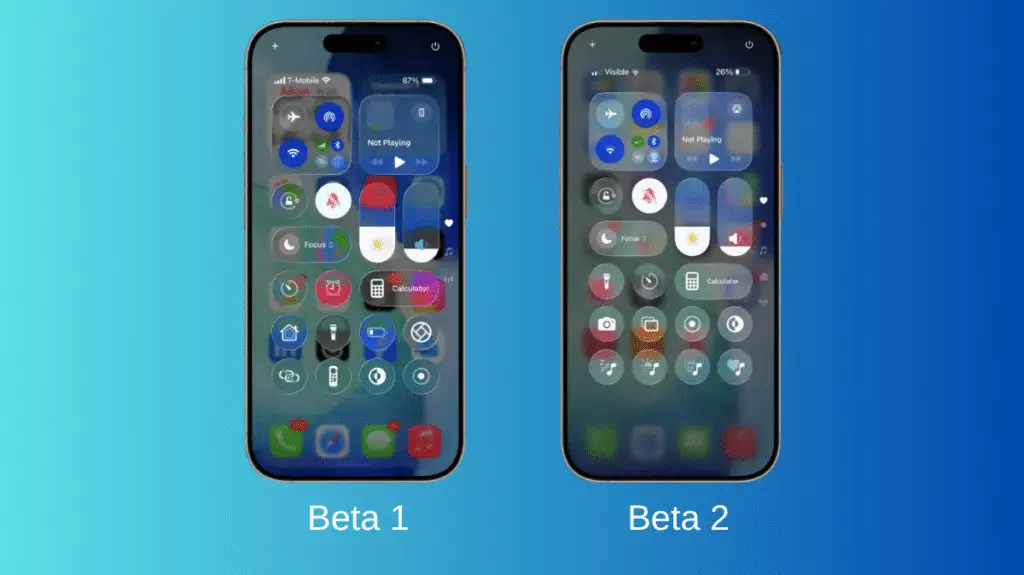
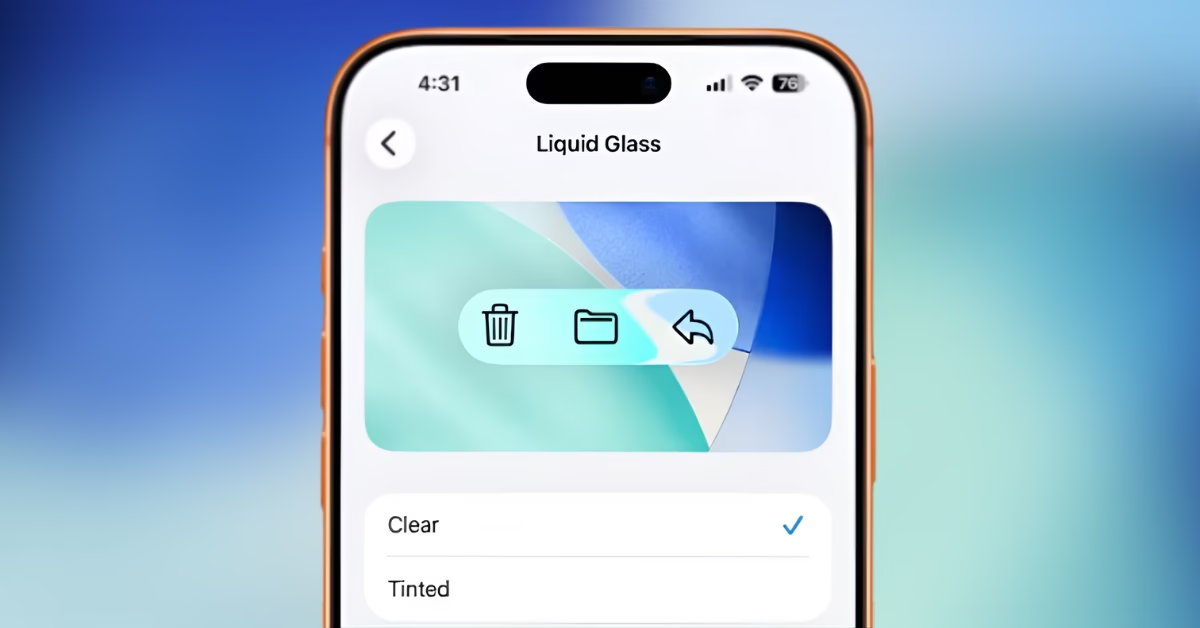
Apple’s Liquid Glass interface divided opinion the moment it launched with iOS 26. Some people loved the translucent, layered look. Others found it too busy, too reflective, or just too different from what they’d been used to for years. Apple listened sort of. iOS 26.1 gave users a choice between “Clear” and “Tinted” modes, adding a bit more opacity to the interface for those who wanted it. Then iOS 26.2 went a step further, introducing a manual slider to adjust Liquid Glass opacity but only for the Lock Screen clock. The rest of the operating system stayed locked.
That’s apparently about to change in iOS 27.
According to a well-connected Apple insider, the system-wide Liquid Glass opacity slider that Apple was originally planning for iOS 26 but couldn’t finish in time is now back on the table for iOS 27. The idea is simple: one slider, applied across the entire operating system, letting you dial the transparency up or down to wherever you’re comfortable. Want the full frosted glass experience? Turn it up. Prefer something that looks a bit more solid and readable? Pull it back. Apple quietly ran into engineering challenges when trying to extend that control beyond the Lock Screen, which is why it got cut from iOS 26. The plan now is to get it properly working for the next major release.
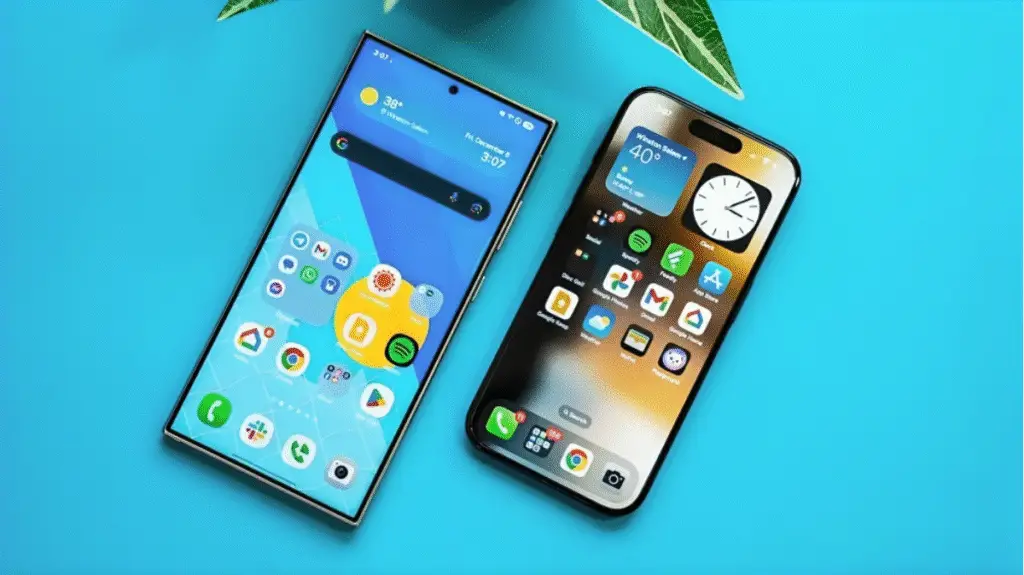
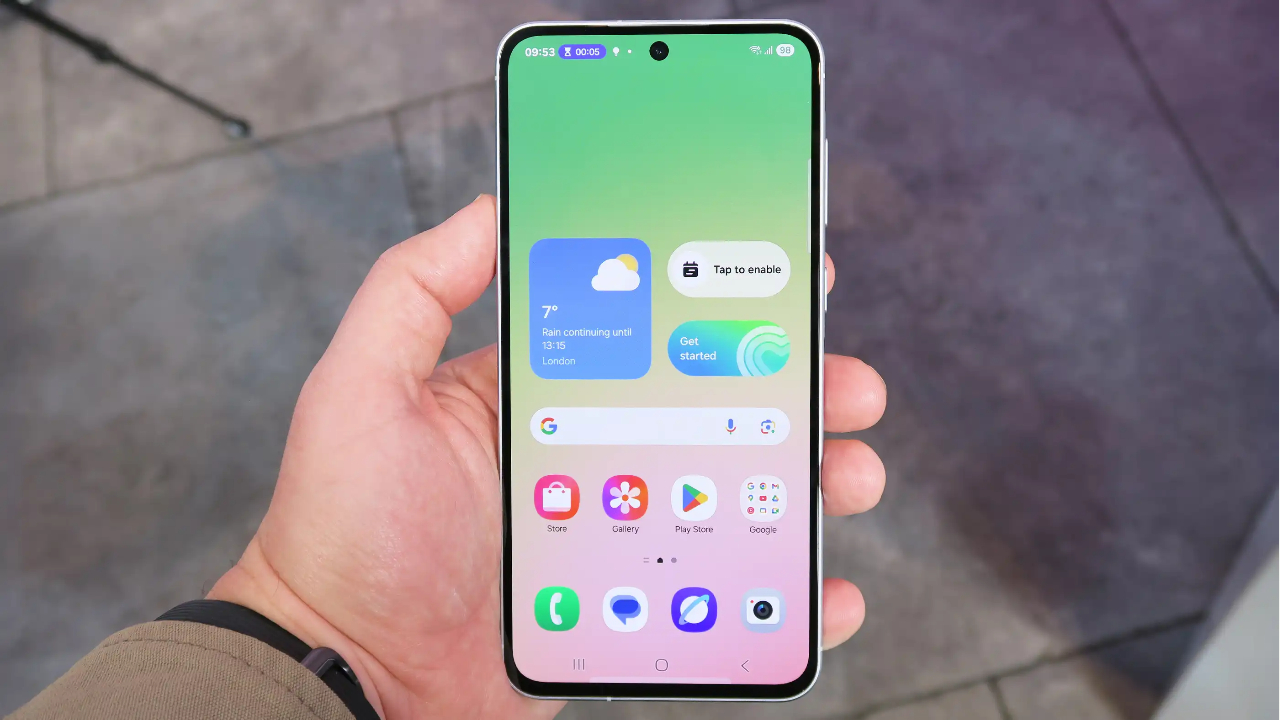
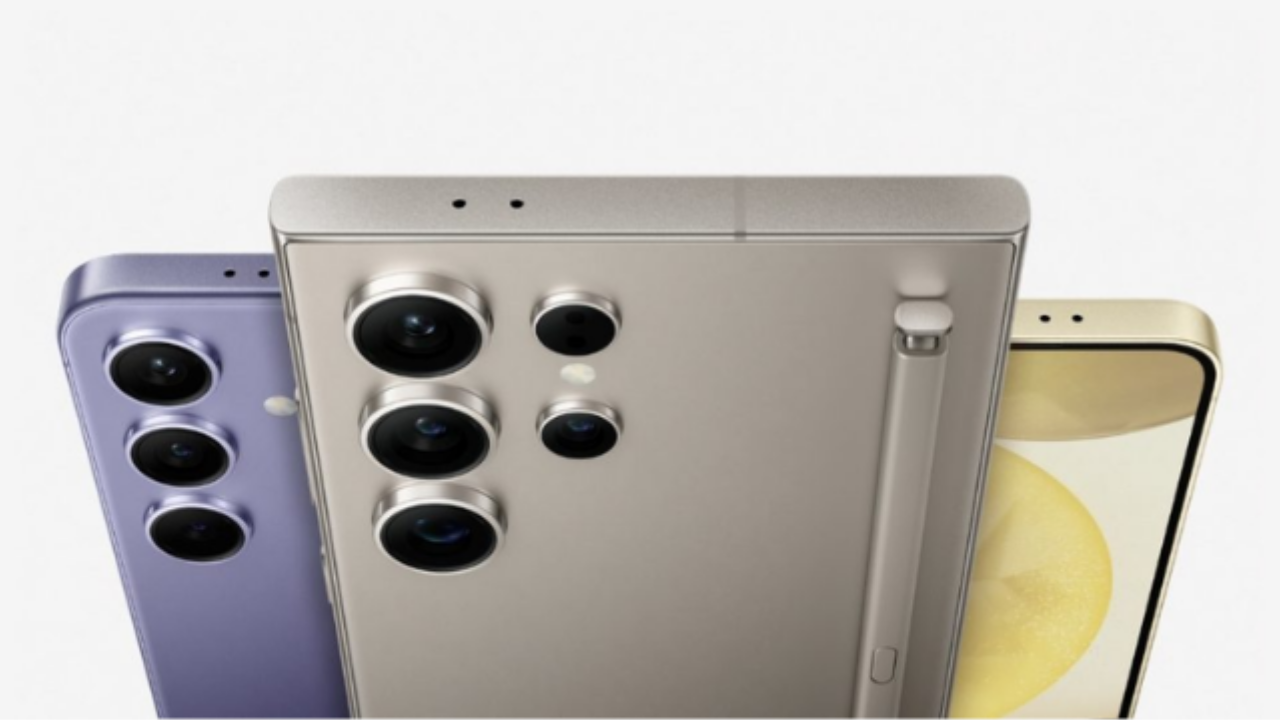
For context, this kind of system-level customization has been available on Android for years. Samsung’s One UI lets users adjust transparency, contrast, and color tone across the interface through accessibility settings. Google’s Pixel UI gives similar controls. Apple offering a single dedicated slider for this is a small thing on paper, but for the people who spend every day looking at their phone’s interface, it’s the kind of detail that actually matters.
The Liquid Glass slider isn’t the only reason iOS 27 is worth watching, but the bigger story might actually be what Apple isn’t adding. iOS 27 is shaping up to be what Apple internally calls a “Snow Leopard” update a term borrowed from a famous version of macOS that Apple once described as having “zero new features” because the entire focus was on fixing what was already there. Apple engineers are reportedly going through iOS 26 with a fine-tooth comb, hunting for bloat, bugs, and performance issues. The internal codenames for iOS 27 and macOS 27 have even changed from the softer-sounding Buttercup and Honeycrisp to the more aggressive Rave and Fizz, which reportedly reflects Apple’s internal shift toward a performance-first mindset.
One of the specific improvements on the list is battery behavior immediately after an iOS update. Anyone who has ever updated their iPhone and watched the battery drain unusually fast in the first day or two will recognize this problem. It’s caused by the Neural Engine re-indexing the device during the first 48 hours post-update a necessary process, but a punishing one for battery life. iOS 27 will reportedly introduce a new background management system that spreads this re-indexing over a longer window, keeping the phone cooler and reducing that post-update battery hit. It’s exactly the kind of invisible improvement that nobody talks about until it’s gone wrong.
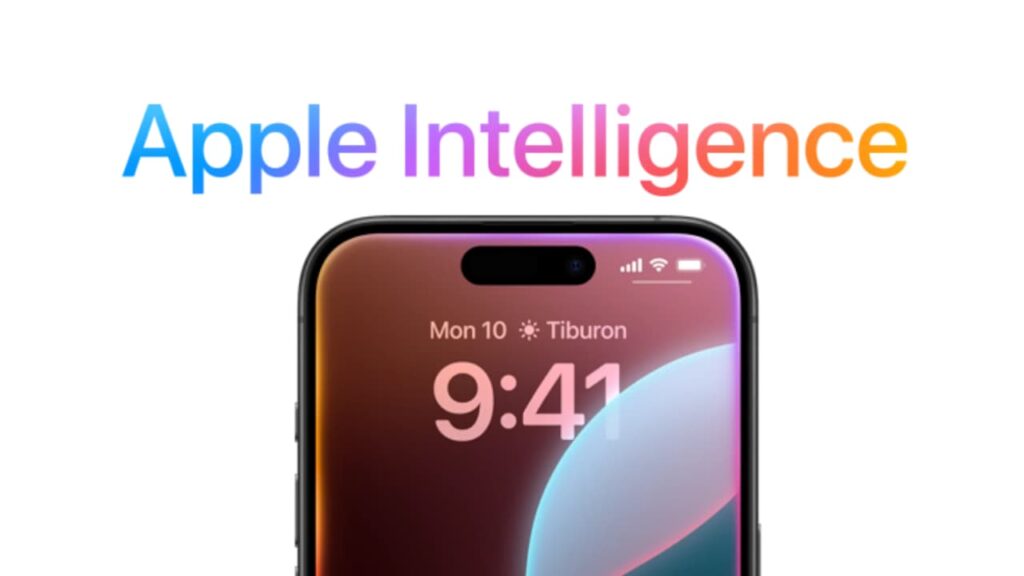
Siri is also getting continued attention. A more personalized version of Siri is expected to arrive with iOS 26.4 before iOS 27 even launches, with further changes slated for the full release. The revamped Siri will reportedly carry a new visual design, offer proactive suggestions based on your habits, and finally remember past conversations. That last point is something Google Assistant and Samsung’s Bixby have had for a while, and it’s been one of the more glaring gaps in Siri’s feature set for years.
The iOS 27 release will also be significant for a hardware reason: it’s the version that ships with the iPhone Fold. The foldable will run a version of iOS 27 optimized for its larger inner display, with side-by-side app support and iPad-style sidebars bringing proper multitasking to the iPhone lineup for the first time. That’s a big software milestone hidden inside what’s otherwise being positioned as a quiet, polish-focused release.
On the features-that-didn’t-make-it side, Apple’s rumored AI health service called Health Plus appears to have been scaled back. Rather than launching as a standalone service, its functionality may end up folded into the existing Health app instead.
iOS 27 is expected to be unveiled at WWDC in June 2026, with developer betas kicking off around June 1 or June 8. The full public release is set for September, alongside the iPhone 18 Pro, iPhone 18 Pro Max, and iPhone Fold.
If you’ve been putting up with an interface that feels a little too glassy for your taste, the system-wide opacity slider is worth getting genuinely excited about. It’s a small change with a disproportionate impact on daily usability and combined with the under-the-hood performance work, iOS 27 is quietly shaping up to be one of the more thoughtful iPhone updates in recent memory.

M Adnan Akram is the founder and lead writer at Phoonomo, covering mobile technology with a primary focus on Apple and the broader smartphone industry, alongside emerging developments in AI. He follows product launches, spec leaks, and industry trends closely to keep readers informed with timely updates.
Discover more from Phoonomo
Subscribe to get the latest posts sent to your email.