So ah sure the Galaxy S26 Ultra might boast that smartass privacy screen and actual fast charging and loads of other great features, but if you actually want one, you’ll have to take the pliers to grand’s gold teeth. And not everyone wants to spunk a fortune on an absolute mega.
Now if you prefer more compact devices or just not having your savings account absolutely molested, well, there’s always the regular Galaxy S26.
And this delightfully dinky handset boasts many of the same great new features, while it’s the only phone of the new Samsung S26 trio to actually enjoy a battery capacity boost. Otherwise, while it is cheaper than the Ultra, undoubtedly it still isn’t exactly cheap.
£879 it’ll cost you, or just over a grand if you fancy doubling that storage to 512GB. Quite the price bump. Although if you’re quick, you can double that storage at no extra cost using Samsung’s pre-order deals.
I’ve been testing out Samsung’s Galaxy S26 for over a week now, so here’s my full review.
Design
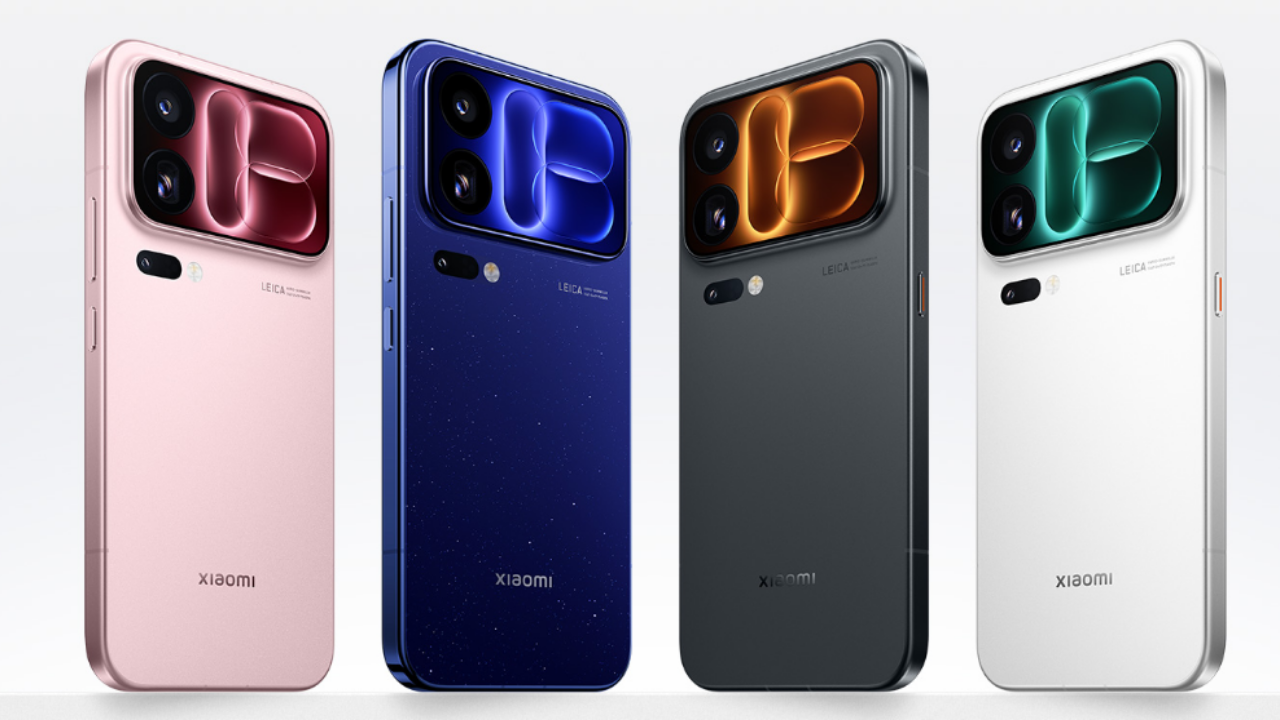
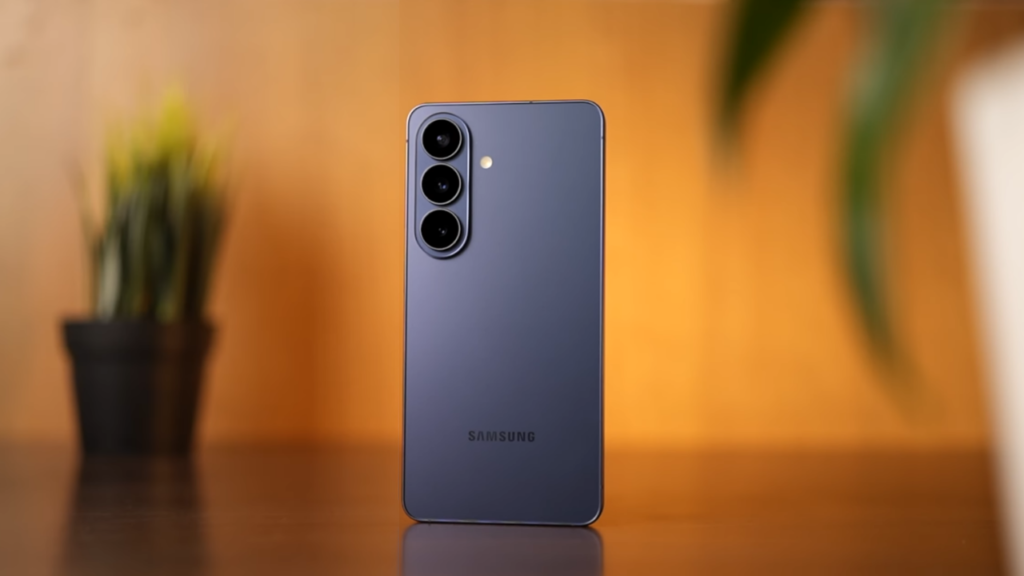
For this generation, the Galaxy S26 has slightly expanded from 6.2 inches to 6.3 inches. That’s helped along by slightly slimmer bezels than before. So it’s certainly pleasingly compact compared with most other flagship phones in 2026 and just as mini as the Xiaomi 17.
I do love slipping my SIM in a mini smartphone like this. It’s just a joy to use. Easily the best hand feel of the Galaxy S26 series, although admittedly that is kind of like saying Jaws 1 is the best of the Jaws films.
Despite the completely flat edges, flat back, and mostly flat corners, it still feels nice enough to grip. It slips into a trouser pocket with no serious struggle.
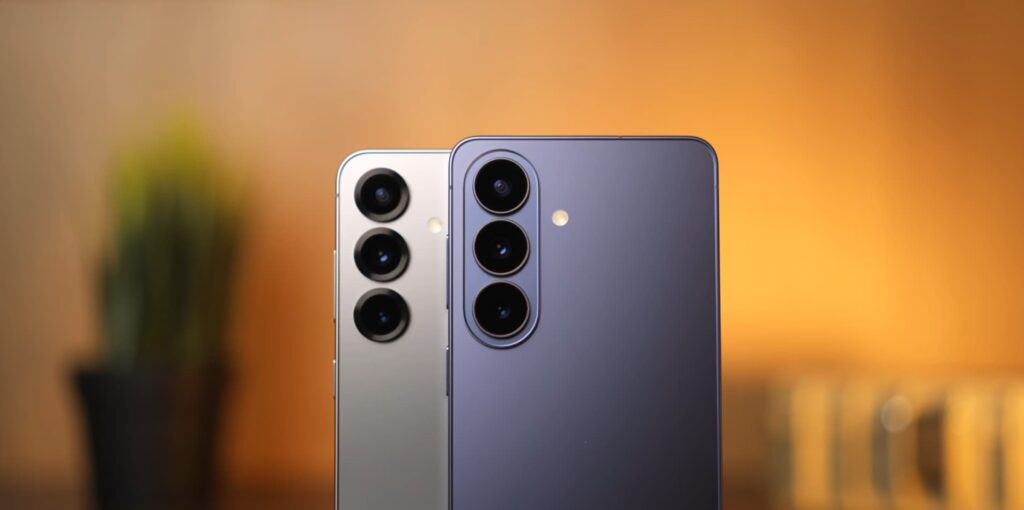
There are no real surprises with the construction of the Galaxy S26. You’ve once again got an Armor Aluminum frame and a bit of Victus 2 glass around the back and the front as well. Sadly, there’s still no anti-glare Armor 2 outside of the Ultra model.
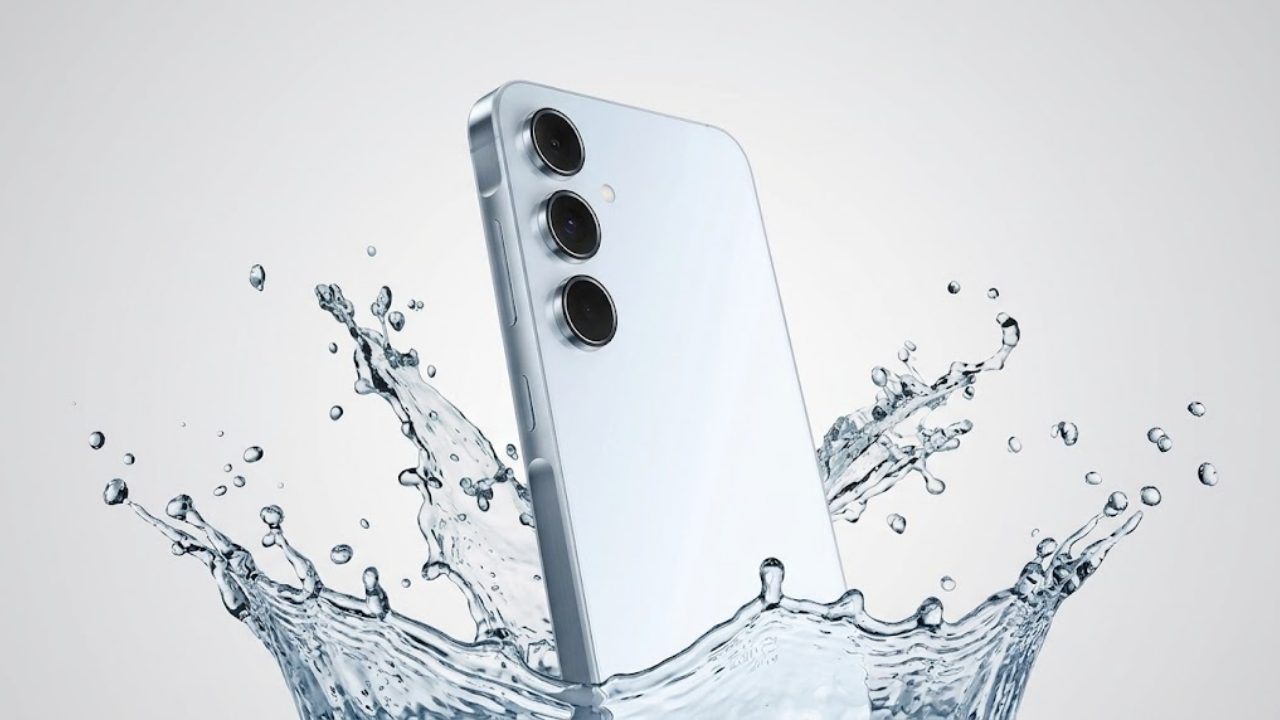
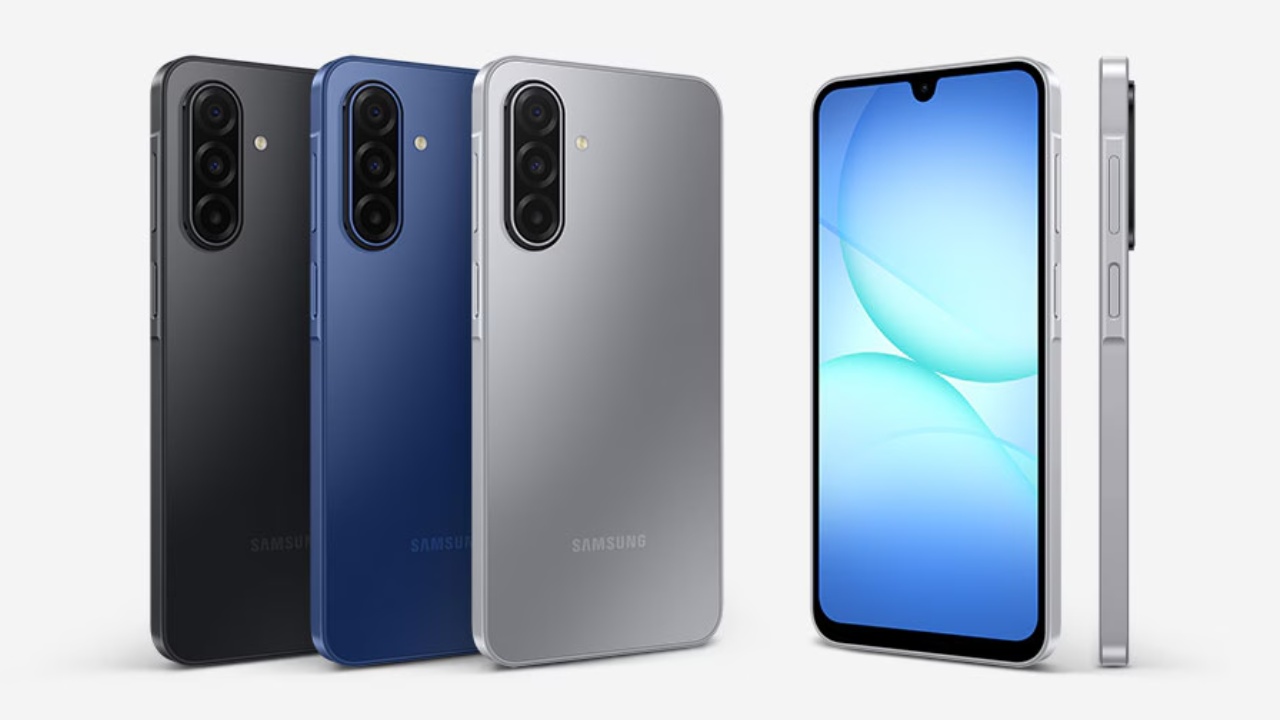
As usual, it’s IP68 dust and water resistant and you get a small selection of rather lovely colors. You’ve got the standard white and black of course, plus a lovely gentle sky blue model which really does relax my soul whenever I stare at it. And then there’s a cobalt violet hero model as well, which is a really nice shade.
So far the Galaxy S26 seems reasonably durable. I’ve had stuff in my pockets with it, thrown it into bags with absolutely zero respect, and haven’t used a case the entire time. It’s still, as far as I can see, completely blemish-free. Not even a small scratch anywhere on the edges or the screen.
Thankfully the paint hasn’t started to rub off anywhere like it did on my Ultra model.
Features & One UI 8.5
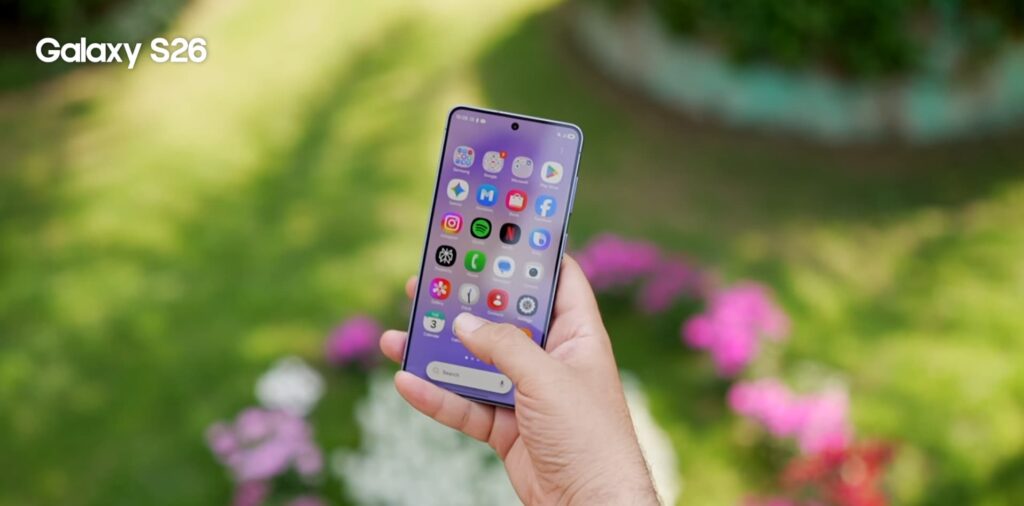
As always, Samsung’s ultrasonic fingerprint sensor is an absolute joy to use. It’s comfortably positioned and super responsive. It rarely fails even if your hands are moist or messy.
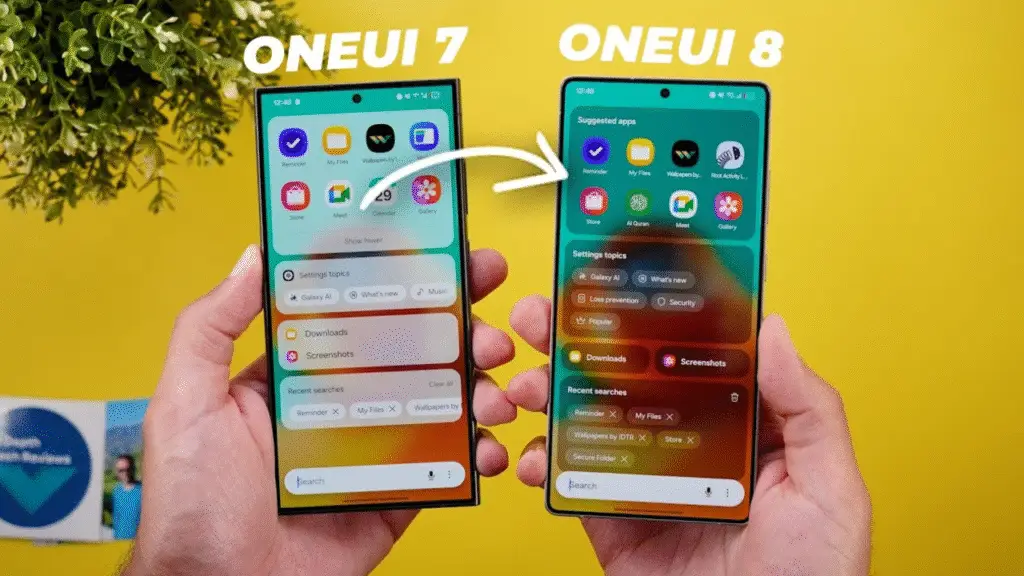
Once you’re in there, it’s Android 16 covered by Samsung’s One UI version 8.5. As usual, it’s packed with Samsung’s own apps and services. If you tend to use Google’s built-in Android apps instead, this can be a minor annoyance because Samsung heavily tries to steer you toward its own contactless payment system, wallet, smart home tools, and web browser.
The AI features have expanded in this version of One UI. You’ve now got even more tools, including something called Now Nudge. This reads whatever is on your screen and tries to understand what you’re doing, then offers suggestions or relevant information.
For example, if a friend messages you on WhatsApp asking if you want to meet at 8 PM, Now Nudge can check your calendar and see if you have any schedule clashes. However, it only works properly if you’re using Samsung’s apps and services.
If you replace the Samsung keyboard with Gboard, for example, it won’t work. It also struggles with slang or abbreviations in messages. Hopefully it will evolve over time and become smarter.
One of the best new features in One UI 8.5 is Call Screen. If you get lots of spam calls, this feature can automatically screen unknown numbers. The caller has to say who they are and why they’re calling, and the phone converts that into text so you can decide whether to answer.
The accuracy can vary depending on accents and connection quality, but it still saves a lot of time.
Overall, the Galaxy S26 has been pretty stable. I had one small issue where Netflix froze once, but restarting the app fixed it. And of course Samsung promises seven years of OS updates and security patches.
Display & Audio
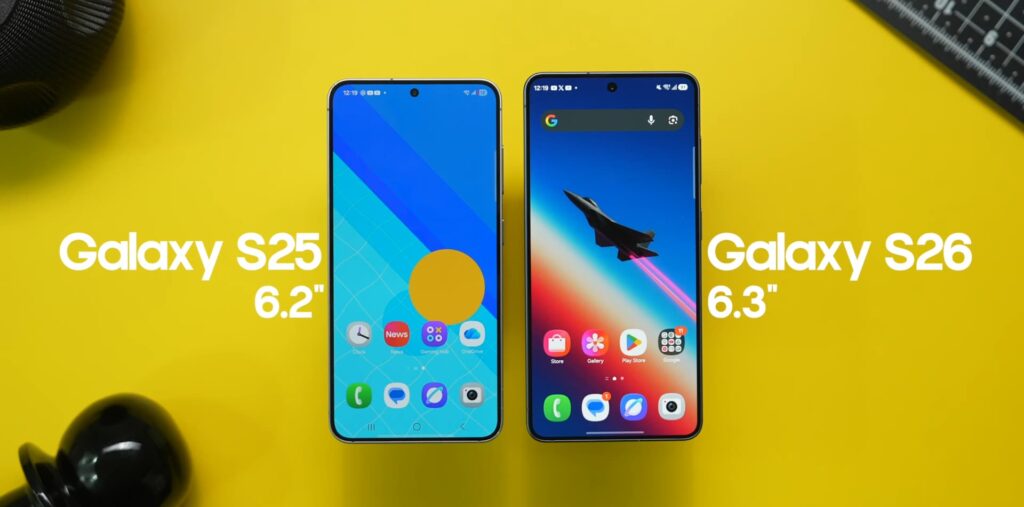
The Galaxy S26 has a 6.3-inch Dynamic AMOLED display that hasn’t really changed much from previous generations. It might seem a bit small for watching movies, but I was happy enough watching the content on it.
It’s a Full HD+ resolution panel instead of Quad HD, but visuals still look crisp because the display is smaller. You get strong contrast, HDR10 streaming support, and vibrant colors.
Some people have complained online that it’s not a 10-bit panel, but most users probably won’t notice the difference unless they do detailed photo editing.
Sadly there’s no anti-glare finish here either. However, the screen gets bright enough for use in direct sunlight. Only very dark scenes in movies were sometimes harder to see.
It uses LTPO technology so the refresh rate scales from 1Hz to 120Hz. However, the PWM dimming isn’t as good as some rivals, which may bother users sensitive to OLED flicker.
There’s also no privacy display feature here, as that’s exclusive to the Ultra model.
The stereo speakers are surprisingly good for such a compact phone. They get fairly loud, remain clear at high volume, and provide reasonably balanced sound. They’re fine for watching videos, though for music it’s still better to use Bluetooth headphones or speakers.
Performance & Gaming
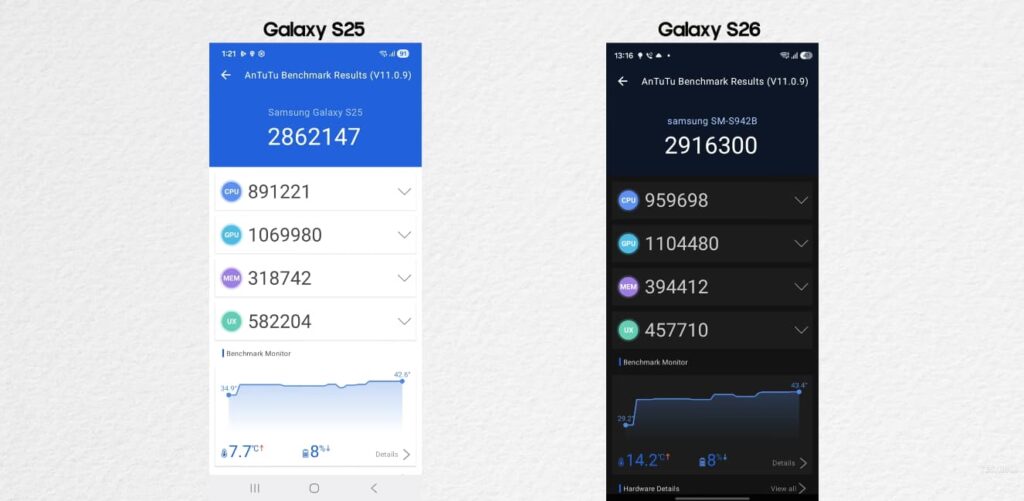
Performance on the Galaxy S26 depends on where you live.
In the United States, the phone runs the Snapdragon 8 Gen 5 for Galaxy, which is an extremely powerful chipset. However, in the UK and many other regions the Galaxy S26 is powered by Samsung’s 2-nanometer Exynos 2600 chipset with 12GB of RAM.
Everyday performance has been perfectly fine. I spent a good amount of time playing Wuthering Waves this week with the graphics settings maxed out and aiming for 60fps.
The performance was excellent. Frame rates stayed stable and I didn’t notice any major drops even after gaming for more than an hour.
The upgraded vapor chamber and thermal materials help keep the phone cool under pressure. It did warm up slightly after 20 to 30 minutes of gaming, but not enough to cause throttling.
Overall, performance on the Exynos 2600 model has been very solid.
Battery Life
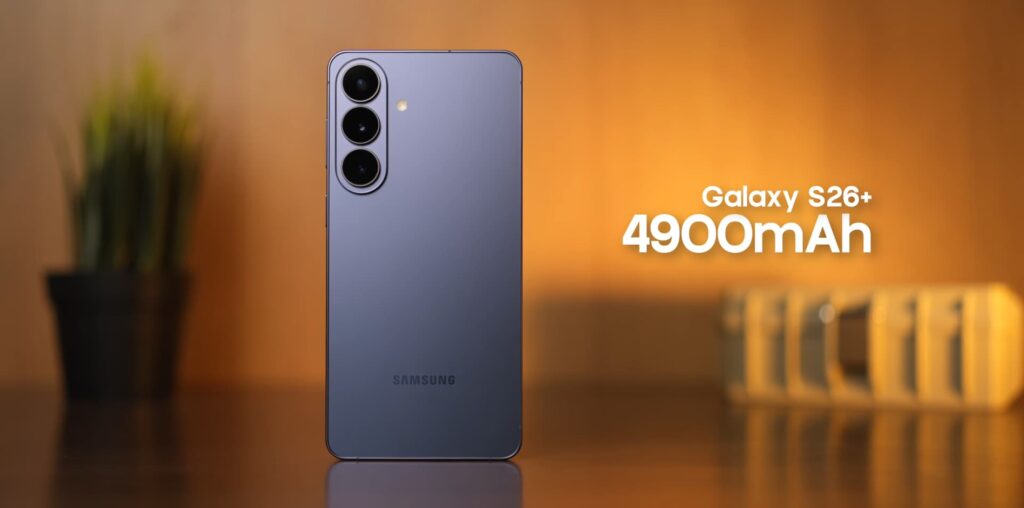
Unfortunately, battery life is where the Galaxy S26 struggles.
Even though the base Galaxy S26 is the only model this year to receive a battery capacity increase, it still only has a 4,300mAh battery. That is quite small compared to many other smartphones in 2026.
As a more demanding user, I found it difficult to get through a full day on a single charge. I typically reached around five to six hours of screen-on time with mixed usage like messaging, web browsing, and Spotify streaming.
If I started using the camera more, doing video calls, or gaming, the battery drained much faster.
Gaming continuously on demanding titles resulted in about two hours and forty-five minutes of playtime from a full charge.
Charging speeds are also disappointing. Samsung still calls it “Super Fast Charging,” but it’s only 25W wired charging. Even with the smaller battery, charging still feels slow.
You also get 15W wireless charging, and you’ll need a special case if you want magnetic charging support.
Cameras
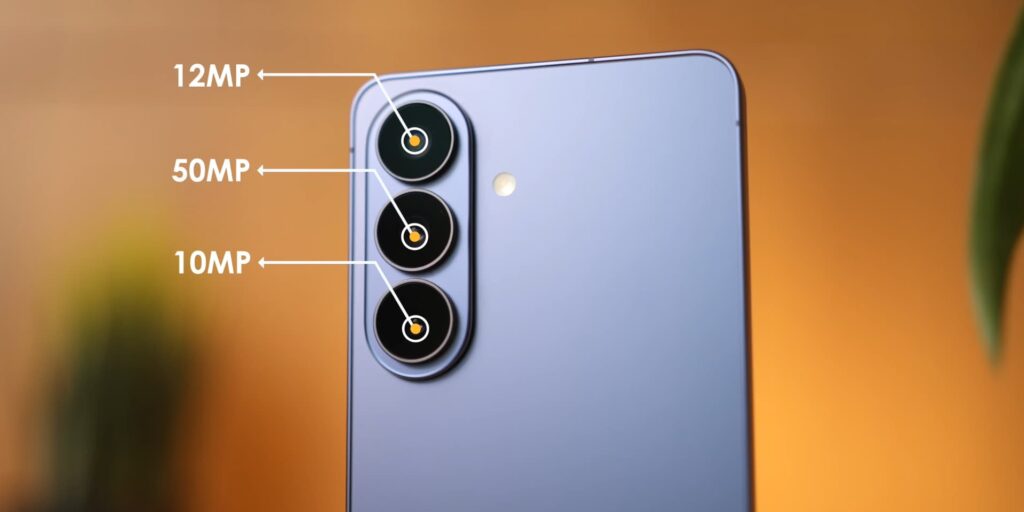
The Galaxy S26 uses the exact same camera hardware as the previous generation.
You get a 50-megapixel main camera, a 12-megapixel ultra-wide camera, and a 10-megapixel telephoto camera with 3x optical zoom.
Along with the standard photo mode, you also get portrait mode and a full Pro mode where you can manually adjust settings like shutter speed, autofocus, and white balance.
In auto mode, photos look very typical for Samsung. Colors are warm and vibrant rather than realistic, and images are often brightened to reduce shadows.
In lower lighting conditions, there’s less noise than previous generations, although some images can look a bit crunchy.
Moving subjects remain the biggest weakness of the Galaxy S26 camera. It’s especially noticeable with pets or other fast-moving subjects, where many shots end up blurry even if the subject isn’t moving much.
Video performance is much better. The Galaxy S26 can shoot up to 8K resolution video, or 4K at 30 or 60 frames per second with HDR.
Features like smooth zoom and the new horizontal lock help when recording while moving. There’s also a Pro video mode and support for log recording, although some advanced codec support is missing compared to the Ultra model.
On the front, there’s a 12-megapixel selfie camera capable of recording 4K video at 60fps with HDR. It’s perfectly fine for vlogging and video calls, with respectable stabilization.
Verdict
And there you go, that is my full final review of the Samsung Galaxy S26.
It’s a delightfully compact smartphone with strong performance and some useful new features. Unfortunately, the battery life isn’t great and the camera hardware feels less impressive compared to some rivals.
The Ultra model clearly received more attention from Samsung this year.
If I personally wanted a compact smartphone in 2026, I’d probably be more tempted by the Xiaomi 17 because the battery life is far better. The Pixel 10 is also a strong option, offering good performance and battery life at a lower price.
Anyway, that’s my opinion, but it would be great to hear your thoughts on the Galaxy S26.

M Adnan Akram is the founder and lead writer at Phoonomo, covering mobile technology with a primary focus on Samsung and the broader smartphone industry, alongside emerging developments in AI. He follows product launches, spec leaks, and industry trends closely to keep readers informed with timely updates.
Discover more from Phoonomo
Subscribe to get the latest posts sent to your email.