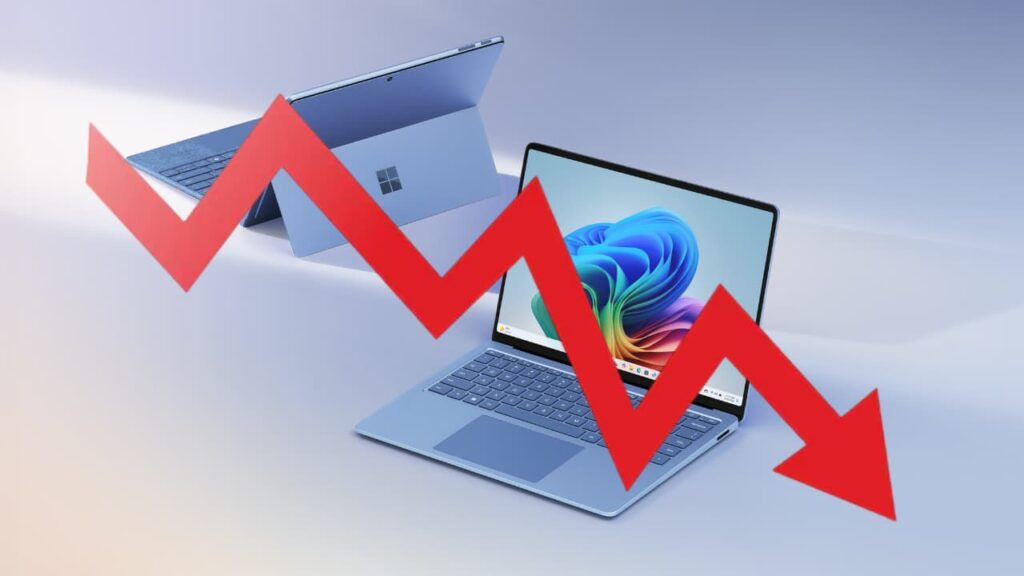
The global PC market is facing what many outlets are calling a “RAM price crisis”, and it’s already beginning to affect laptop and desktop pricing in 2026. With memory costs climbing and supply tightening, manufacturers are scrambling to prevent sharp price hikes for consumers.
At the center of the issue are the industry’s three dominant DRAM suppliers Samsung, SK Hynix, and Micron. These companies have increasingly shifted production toward high-margin AI and data center memory, where demand is booming. As a result, supply of consumer-grade DRAM for laptops and desktops has tightened, pushing prices upward.
Major PC brands are responding. Acer has publicly acknowledged the situation and is reportedly exploring alternative memory suppliers outside the traditional “big three” in an effort to stabilize costs. Other manufacturers are said to be taking similar steps, either diversifying suppliers or adjusting product configurations to manage expenses.
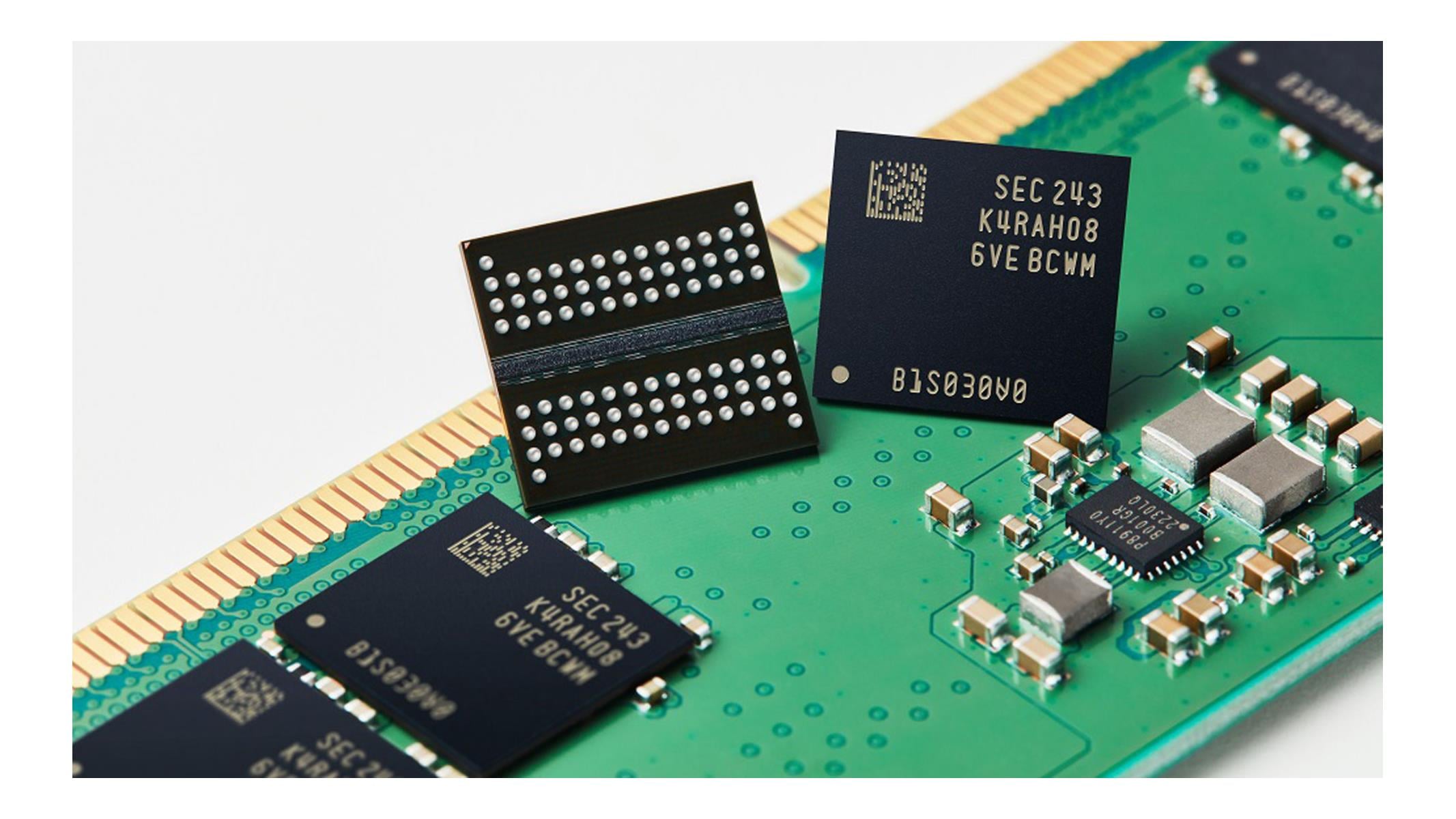
Market research firms warn that the memory shortage could lead to higher average PC prices in 2026, with some estimates suggesting price increases of up to several percentage points. There are also concerns about reduced shipments, as constrained supply may limit production volumes. In some cases, system builders have reportedly adjusted configurations prioritizing lower RAM variants to keep retail pricing competitive.
For consumers, this means laptops and prebuilt PCs with higher RAM capacities could become noticeably more expensive in the coming months. Industry insiders suggest that the current pricing environment may persist for at least the next few quarters, especially as AI infrastructure demand continues to dominate memory production.
Unless supply conditions improve or alternative suppliers scale up quickly, the RAM crunch could remain a key factor shaping the 2026 PC and laptop market.
Discover Also Carriers Eye Big Deals Ahead of Samsung Galaxy S26 and Pixel 10a Launches

M Adnan Akram is the founder and lead writer at Phoonomo, covering mobile technology with a primary focus on Samsung and the broader smartphone industry, alongside emerging developments in AI. He follows product launches, spec leaks, and industry trends closely to keep readers informed with timely updates.
Discover more from Phoonomo
Subscribe to get the latest posts sent to your email.