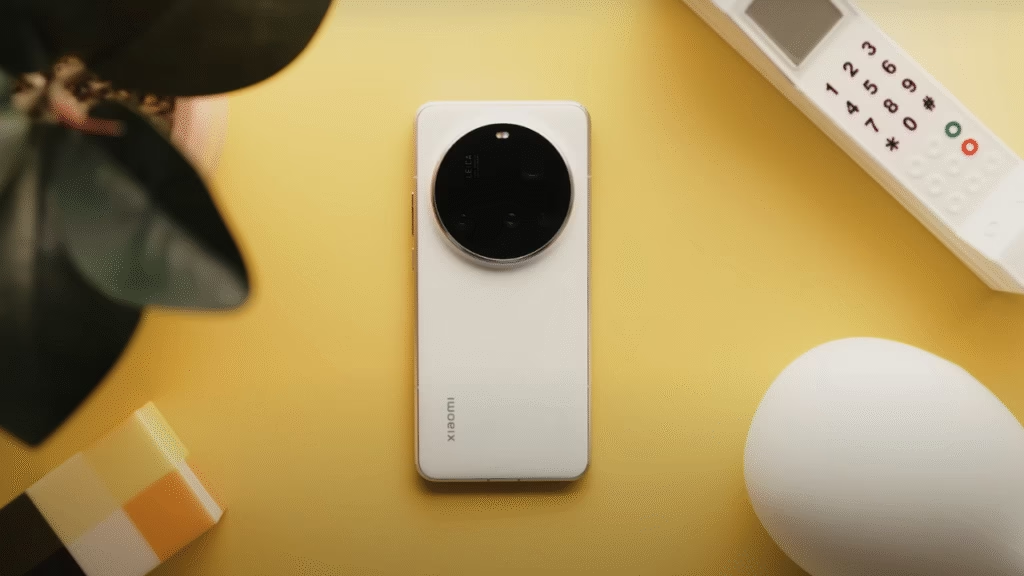
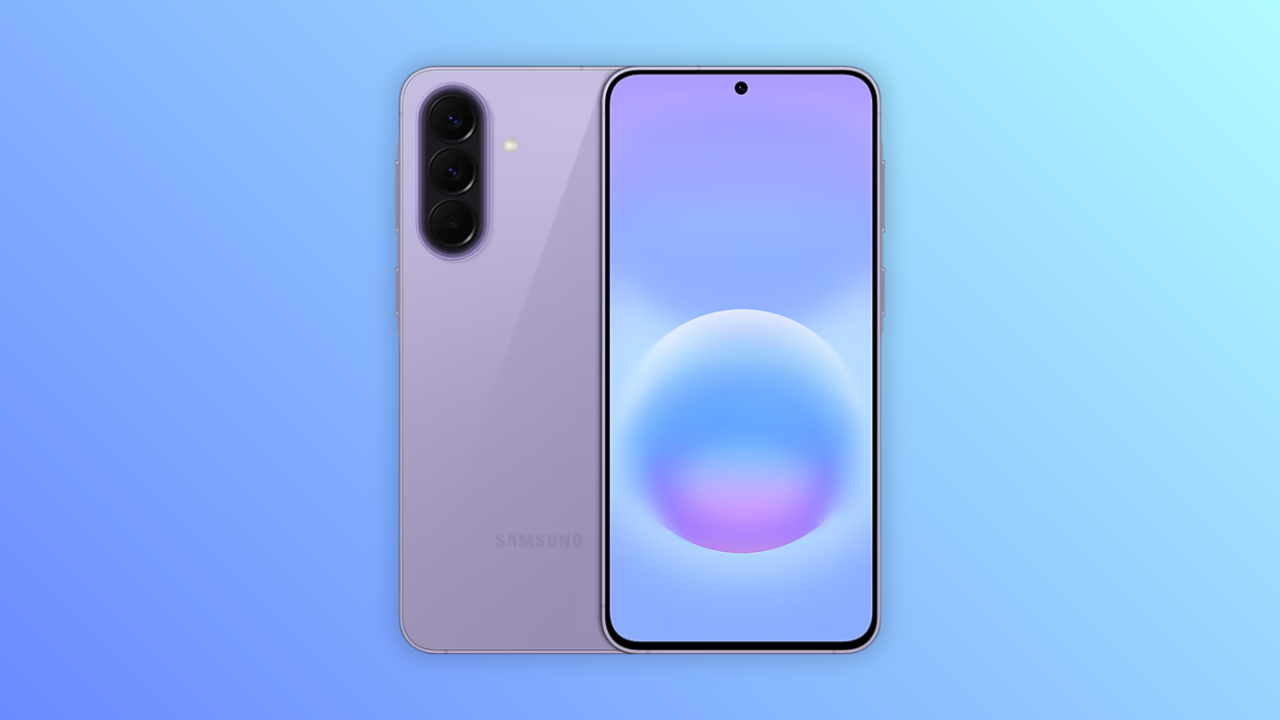
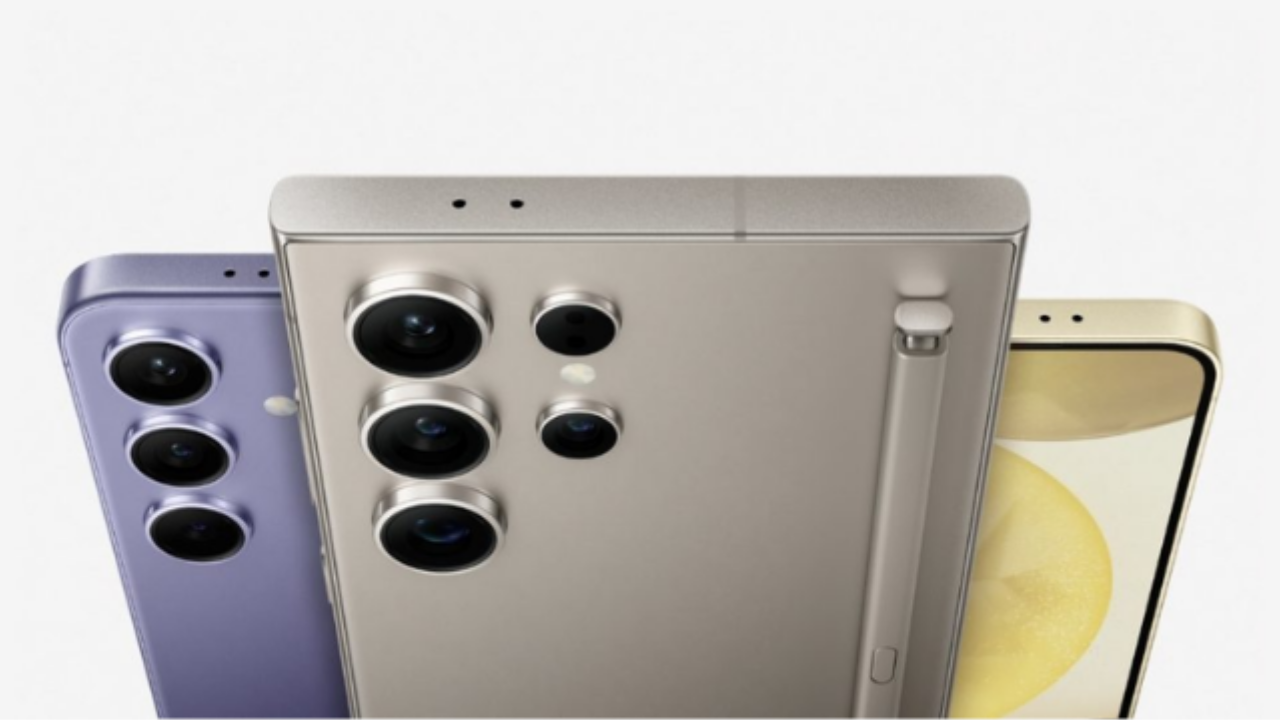
At first glance, the new Xiaomi 17 doesn’t seem to have gone through a big design shift. Compared to the earlier Xiaomi 13, 14, and 15, the outside doesn’t look dramatically different. The company mainly cleaned up the overall color scheme and removed the bold black camera accents that used to stand out on the previous models. Meanwhile, the Pro Max version is currently dominating sales charts in China. That naturally raises a question: is the regular model not worth buying simply because it looks too familiar? After spending enough time testing it, I finally have a clear answer.
Design
As mentioned earlier, the design changes are subtle, but they matter more in daily use than on paper. The overall build quality surprised me. The texture of the glass back, the finish of the frame, the shape of the corners, and even the logo layout feel almost on the same level as the iPhone 17 Pro. It has that refined look and a solid hand feel that you usually expect from more expensive devices.
A Practical Button-Free Design Choice
There is one big advantage to the design, though. There are no side buttons, and there’s no camera control key. For people who always mount their phones on stands or gimbals, this is a genuinely thoughtful decision. You don’t have to deal with awkward balancing or fear accidentally pressing anything. It’s a simple detail, but it genuinely makes the phone easier to live with.
Display
The screen on the standard version doesn’t use the new pixel layout that Xiaomi introduced in the Pro Max. Even so, the display still holds its own. It’s a bit smaller, but the resolution stays the same. That means the pixel density is actually higher here, matching the sharpness level of the iPhone 17 Pro. However, there is one clear drawback: no anti-reflective coating. Under strong sunlight, the iPhone keeps better clarity while this one picks up more glare. Indoors or in lower light, this won’t be an issue, but outside it’s noticeable.
Audio Performance
For audio lovers, there is something to keep in mind. The speaker quality on this model isn’t impressive. To show the difference more clearly, we tested it against the Pro Max and a few other phones. The gap becomes obvious once you actually listen; the output lacks depth, and the clarity isn’t quite on par with other flagships in the same range.
Performance and Benchmark
When it comes to performance, there is nothing major to worry about. Both the baseline model and the Pro Max run the Snapdragon 8 Gen 5, paired with LPDDR5X RAM and UFS 4.1 storage. During testing, though, we noticed something interesting. On Antutu, the standard unit consistently scored around 3.5 million, while the Pro Max hovered near 3.2 million. However, Antutu’s own official ranking listed the standard model at 3.7 million. That big gap suggested something wasn’t right.
Cooling
After repeated testing, the difference finally made sense. The 3.7 million score is achievable, but only when the phone is cooled aggressively. We managed to hit that number by placing the device inside a refrigerator before benchmarking. Even under the same extreme cooling, the Pro Max reached only around 3.5 million. The most likely explanation is a mix of different performance scheduling strategies in the system and physical differences across Snapdragon 8 Gen 5 batches.
Gaming Experience
Fortunately, the benchmark gap doesn’t reflect real gameplay. In Genshin Impact, both the standard model and the Pro Max performed almost identically. The baseline model even consumed slightly less power. However, the situation changed when we switched to heavier titles like Hong Kong Stardust. Both phones started throttling after about three minutes, and both became very hot to the touch.
Thermal monitoring showed something interesting. GPU and memory temperatures stayed fairly low, which means the upgraded vapor chamber is doing its job. But the CPU heat travels downward toward the battery. So, while lightweight games don’t push the battery into thermal throttling, heavier ones do and quickly. To get smoother gameplay, you’ll either need external cooling or you’ll need to dial down the graphics settings.
Graphics Quality
When comparing graphics quality across different phones, the differences become more obvious when zoomed in. For example, in character rendering and detailed textures, the OnePlus 13 preserved better visual detail in its highest settings. On the Xiaomi 17, some fine elements looked softer.
Camera
Cameras are another area where Xiaomi didn’t bring huge changes. Out of the four cameras across the front and back, only the main lens and the selfie camera were updated. In bright daylight, the main camera performs extremely well, matching the detail level of the Pro Max. But in low light or mixed lighting, issues start to appear. For example, when shooting something like a light box, the camera still shows color banding. The telephoto camera maintains more consistent output, but the ultra-wide actually regresses.
Ultra-Wide Limitations
One thing that stands out is how cramped the ultra-wide field of view is. At around 70mm equivalent, it feels too narrow compared to what competitors offer today. Transitioning from the main lens to the 7× zoom also reveals inconsistencies; the shift in details becomes quite noticeable, especially around textured surfaces like carpets.
Battery Life and Charging
Battery life is one of the biggest selling points of the phone. It comes with a 7,000mAh battery and supports 100W charging. That means most common, high-wattage chargers can deliver full-speed charging. But in actual use, the peak speed doesn’t last long. It jumps to around 75W at the start, then settles at around 30W for most of the session. Even so, charging remains fast enough for everyday use.
Concerns About the Global Variant
The bigger concern is the rumor that the global version might have a smaller battery. If true, some users might prefer the Chinese variant to get the full endurance experience. For those who depend on long battery life, this could be a deciding factor.
Final Verdict
After fully testing the Xiaomi 17, the conclusion becomes clear. It isn’t the flashy, over-the-top type of flagship. It doesn’t push a new design language, and it doesn’t introduce new camera breakthroughs. But it also doesn’t raise its price compared to last year, unlike the Pro series. Instead, it focuses on performance, battery life, and a clean, practical build.
If what you want is a balanced flagship that runs smoothly, lasts long, and avoids unnecessary complications, it delivers solid value. But if your priority is top-tier camera performance, stronger audio output, or a more premium feature set, the Pro line remains the better option.
Read Also Redmi K90 Pro Max: First Look and Review

M Adnan Akram is the founder and lead writer at Phoonomo, covering mobile technology with a primary focus on Apple and the broader smartphone industry, alongside emerging developments in AI. He follows product launches, spec leaks, and industry trends closely to keep readers informed with timely updates.
Discover more from Phoonomo
Subscribe to get the latest posts sent to your email.